
Net Zero Transportation 2050
Updated September 2, 2026 · 2 min read
Table of Contents
- Emissions Reduction Strategies
- Impact of Electric Vehicles
- Role of Smart Traffic Systems
- Urban Mobility Trends
- Regional Comparison
- Frequently Asked Questions
Emissions Reduction Strategies
The transportation sector accounts for a significant portion of global greenhouse gas emissions. By transitioning from fossil fuel-powered vehicles to electric vehicles and promoting the use of sustainable fuels, emissions can be drastically reduced. Additionally, implementing fuel-efficient technologies and improving infrastructure can further contribute to achieving net-zero emissions.
- Investing in public transportation systems
- Promoting active transportation modes like cycling and walking
- Encouraging carpooling and ride-sharing services
- Developing policies to reduce vehicle miles traveled
Impact of Electric Vehicles
Electric vehicles (EVs) play a crucial role in the transition to net-zero transportation. By reducing reliance on internal combustion engines, EVs help lower carbon emissions and improve air quality. The lifecycle emissions of EVs are significantly lower compared to traditional vehicles, making them a key technology in achieving a sustainable transport system. Learn more about car CO2 emissions.
- Reduced tailpipe emissions
- Lower maintenance costs
- Integration with renewable energy sources
- Enhanced energy efficiency
Role of Smart Traffic Systems
Implementing smart traffic systems can optimize traffic flow, reduce congestion, and minimize emissions. Technologies such as real-time traffic monitoring, adaptive traffic signals, and intelligent transportation systems enable more efficient use of road networks. By promoting smoother traffic flow and reducing idling times, smart traffic systems contribute to emissions reduction.
- Dynamic traffic signal control
- Route optimization for vehicles
- Integration of connected vehicle technology
- Promotion of eco-driving practices
Urban Mobility Trends
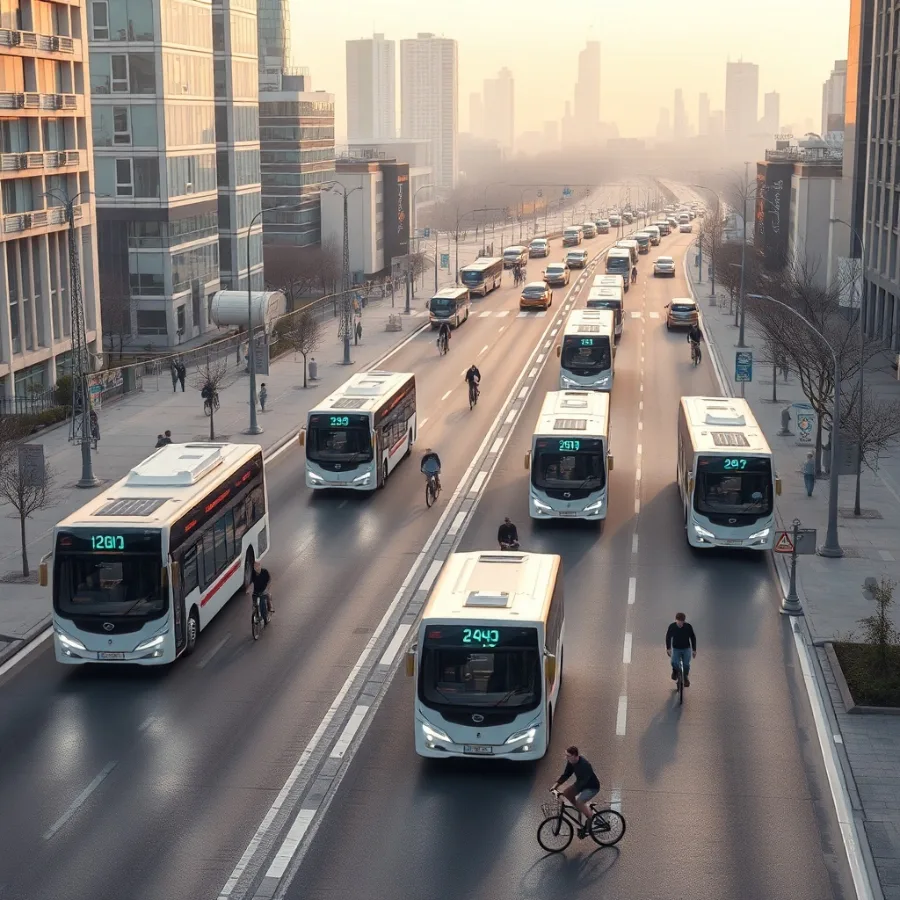
Urban areas face unique challenges in achieving net-zero transportation. Increasing urbanization and population density require innovative solutions to reduce emissions and improve mobility. Embracing urban mobility trends such as micromobility, shared mobility services, and urban planning strategies can help create sustainable and efficient transportation systems in cities.
- Expansion of public transit networks
- Promotion of electric bike and scooter sharing programs
- Implementation of pedestrian-friendly infrastructure
- Development of mixed-use urban spaces
Regional Comparison
- US: The US is investing in electric vehicle infrastructure and clean transportation initiatives to reduce emissions.
- EU: The EU has set ambitious targets for decarbonizing the transportation sector and promoting sustainable mobility options.
- China: China leads in electric vehicle adoption and is working towards a greener transportation system.
- India: India is focusing on improving public transportation and transitioning to electric mobility to curb emissions.
Related guides: Net Zero 2050 Climate Goals, Corporate Net Zero Targets and Carbon Neutral vs Net Zero.
Frequently Asked Questions
How can electric vehicles help achieve net-zero transportation by 2050?
Electric vehicles offer a cleaner alternative to traditional gasoline vehicles, reducing emissions and dependence on fossil fuels.
What role do smart traffic systems play in emissions reduction?
Smart traffic systems help optimize traffic flow, minimize congestion, and reduce emissions through efficient traffic management.
Why are urban mobility trends important for sustainable transportation?
Urban mobility trends promote eco-friendly modes of transport, reduce emissions, and improve overall urban mobility efficiency.
How do different regions contribute to the global goal of net-zero transportation?
Each region implements unique strategies and policies to reduce emissions and transition to sustainable transportation systems, contributing to the global net-zero goal.
TAGS: net zero transportation, emissions reduction, electric vehicles, smart traffic systems, sustainable mobility, urban planning
Sources and Further Reading
Related Posts

Leave a Comment
Your comment will be published after it has been approved. Please send comments that do not contain slang words.