
Electric Vehicles Common Problems: 4 Facts Owners Report
Updated September 13, 2026 · 2 min read
The most common electric vehicles common problems owners actually report are practical friction points, not the dramatic failures myths suggest: cold-weather range loss, occasional charging network reliability issues, longer road-trip planning, and resale value uncertainty for older models — real annoyances worth knowing about, but generally manageable rather than dealbreakers for most owners.
- Cold weather range loss (often 20-30%) is real and worth planning around, not a myth or a defect.
- Public charging network reliability has improved significantly but still varies by network and location — broken or occupied chargers remain a genuine occasional frustration.
- Road trips require more planning than gas car trips, even with a growing charging network, particularly for less-common routes.
- Used EV resale value has been volatile as technology and range have improved quickly, creating more pricing uncertainty than the used gas car market.
Electric Vehicles Common Problems, Ranked by Impact
| Problem | How significant | How manageable |
|---|---|---|
| Cold weather range loss | Real, meaningful (20-30%) | Plan around it, precondition while plugged in |
| Public charger reliability | Improving, still inconsistent by network | Use charging apps with real-time status, have backup options |
| Road trip planning | More effort than gas car trips | Charging-route-planning apps handle most of this now |
| Used EV resale value uncertainty | Real, technology-driven | Factor into buy-vs-lease decision |
Why cold weather range loss surprises new owners
Battery chemistry genuinely works less efficiently in cold temperatures, and cabin heating draws real power in a way a gas car’s waste engine heat doesn’t require, together cutting real-world range by roughly 20-30% in freezing conditions compared to EPA-rated numbers measured under milder standardized conditions. This isn’t a defect or a myth — it’s a real characteristic of current battery technology worth planning around, particularly for owners in colder climates who should budget more charging buffer during winter months.
The public charging reliability problem, honestly assessed
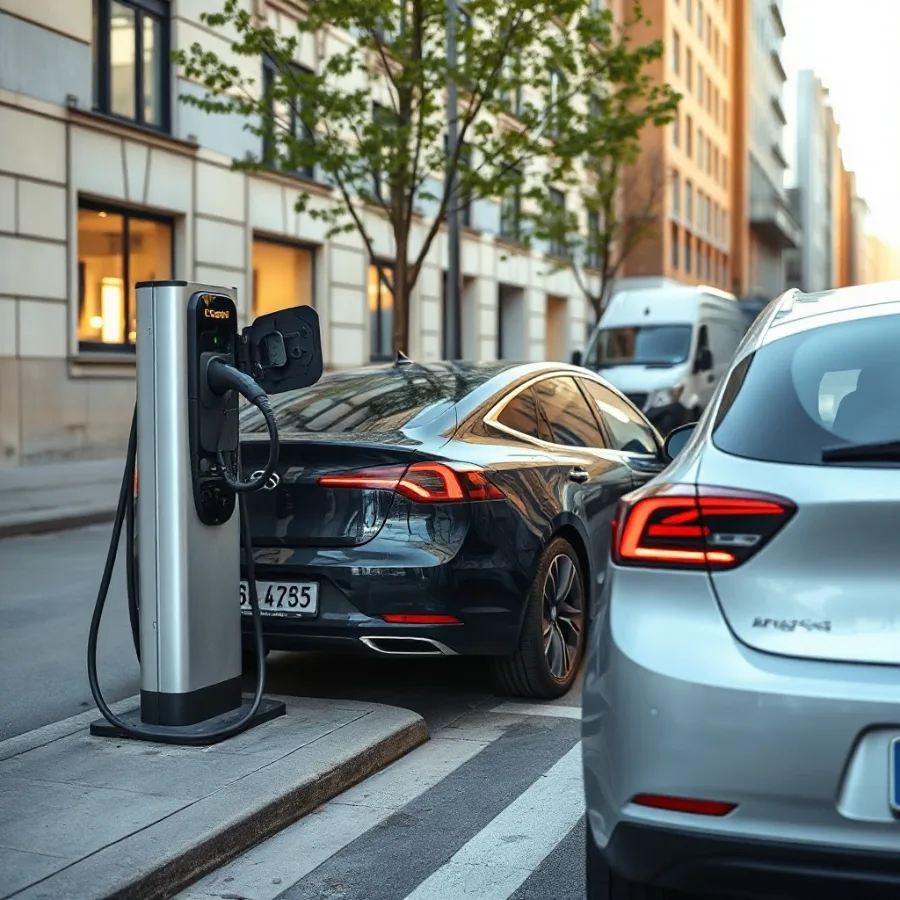
Public charging network reliability has improved substantially as networks have matured and invested in maintenance, but “broken charger” or “charger occupied with no queue system” remains a real, if decreasingly common, frustration that gas car owners simply don’t experience at gas stations. Charging apps with real-time status reporting have made this more manageable by letting drivers check availability before arriving, but it remains a genuine friction point that public charging infrastructure hasn’t fully eliminated yet.
Why used EV values have been unpredictable
Because EV battery technology and real-world range have improved meaningfully year over year, used EV values have shown more volatility than the traditionally more predictable used gas car market — a 3-year-old EV can depreciate faster than expected if a much-improved new model arrives with significantly better range at a similar price point. This dynamic is gradually stabilizing as the technology matures, but it remains a real consideration for buyers weighing purchase versus lease.
Sources and Further Reading
- Consumer Reports: Hybrids & EVs Reliability Data
- U.S. DOE Alternative Fuels Data Center: EV Maintenance
What are the most common problems EV owners actually report?
Cold weather range loss, occasional public charging network reliability issues, more road-trip planning effort, and used EV resale value uncertainty are the most commonly reported practical friction points, rather than dramatic mechanical failures.
How much range do EVs lose in cold weather?
Real-world range typically drops 20-30% in freezing conditions compared to EPA-rated numbers, due to reduced battery chemistry efficiency and cabin heating power draw — a genuine characteristic to plan around, not a defect.
Are public EV chargers reliable?
Reliability has improved significantly as networks have matured, but broken or occupied chargers without a queue system remain an occasional real frustration that charging-status apps help manage but haven’t fully eliminated.
Is road-tripping in an EV actually harder than in a gas car?
It generally requires more planning, even with route-planning charging apps handling most of the logistics, particularly on less-common routes with sparser charging infrastructure.
Why has used EV resale value been unpredictable?
Because battery technology and range have improved meaningfully year over year, a used EV can depreciate faster than expected if a significantly better new model arrives at a similar price point, unlike the more stable used gas car market.
Are these EV problems dealbreakers for most owners?
Generally no — most owners report these as manageable friction points rather than dealbreakers, particularly those with reliable home charging access and typical daily commuting patterns rather than frequent long road trips.
Every figure on this page is dated and linked to its source. How we verify · Editorial policy · Report a correction
Related Posts

1 Comment
"Dealing with EV issues made easy with these tips. Helped me keep my electric car running smoothly!"
Leave a Comment
Your comment will be published after it has been approved. Please send comments that do not contain slang words.