
Electric Planes: Complete Comparison
Updated September 2, 2026 · 2 min read
Electric planes have been gaining significant attention in the aviation industry due to their potential to revolutionize air travel. With a focus on sustainability and reducing carbon emissions, these innovative aircraft are becoming more prevalent in the market. In this detailed comparison, we will explore the key aspects of electric planes, comparing them to traditional aircraft in terms of performance, environmental impact, cost-effectiveness, and future prospects.
Performance Metrics
Electric planes are known for their quiet operation and lower noise levels compared to conventional aircraft. Additionally, they offer smoother rides and enhanced comfort for passengers. However, one of the main challenges electric planes face is limited range and payload capacity. Manufacturers are working on improving battery technology to address these limitations and increase the competitiveness of electric aircraft in the market.
Environmental Impact
One of the major advantages of electric planes is their significantly lower carbon footprint compared to traditional jet engines. By eliminating the use of fossil fuels, electric planes contribute to reducing greenhouse gas emissions and mitigating climate change. Moreover, the adoption of electric propulsion systems aligns with global efforts to transition towards sustainable transportation solutions.
Cost-Effectiveness
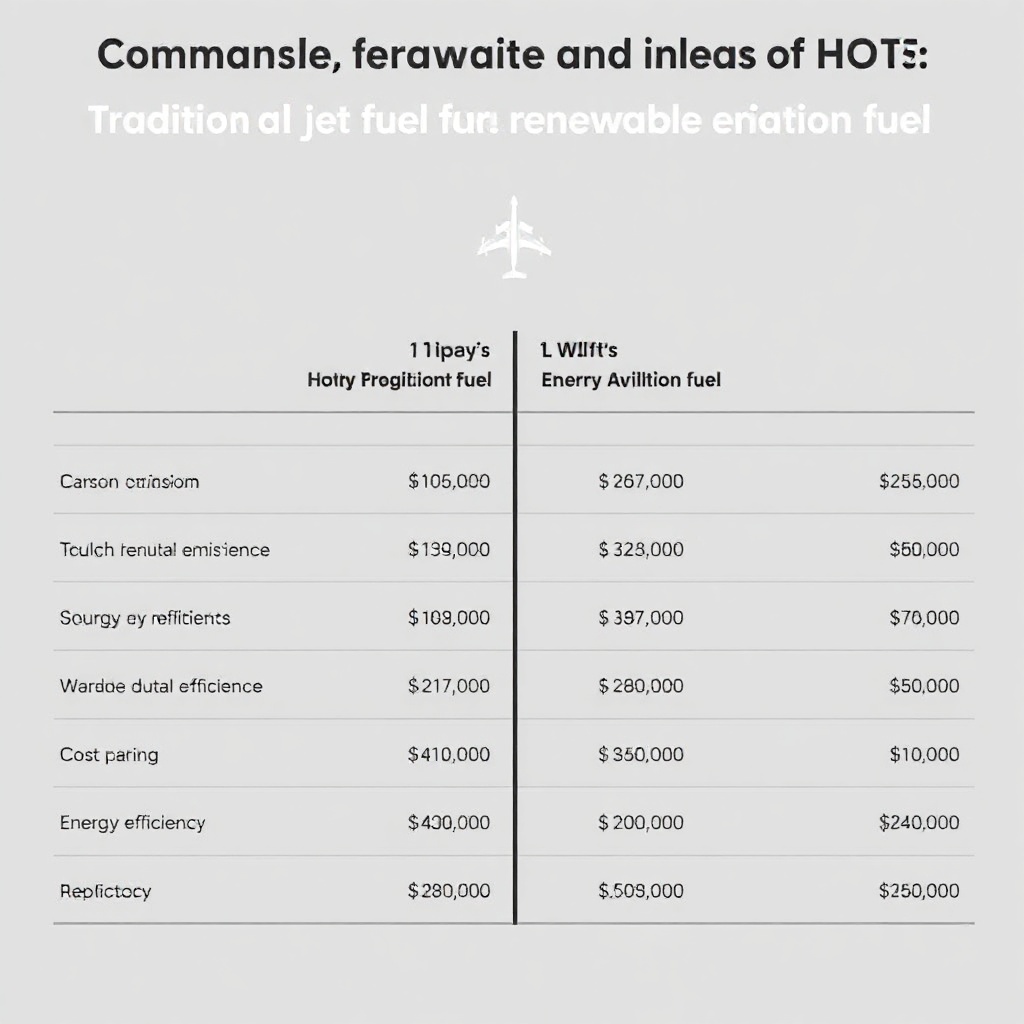
While the initial investment in electric planes may be higher than traditional aircraft, the operational costs are lower due to reduced fuel expenses and maintenance requirements. Over time, the total cost of ownership for electric planes is expected to become more competitive as technology advances and economies of scale are achieved in production.
Market Trends and Future Outlook
The electric aviation industry is rapidly evolving, with major players investing in research and development to bring advanced electric aircraft to market. Regulatory frameworks are also adapting to accommodate electric planes, paving the way for increased adoption and integration into commercial air travel. As battery technology continues to improve, electric planes are poised to play a significant role in shaping the future of aviation.
In conclusion, electric planes offer a promising alternative to traditional aircraft, with their eco-friendly design and potential for sustainable travel. While there are still challenges to overcome, the advancements in electric aviation technology are driving positive change in the industry and positioning electric planes as a key player in the future of air transportation.
Related guides: Hydrogen Planes vs Electric Planes, Green Hydrogen vs Blue Hydrogen: The Ultimate Cost and Emission Comparison, When Will Electric Planes Be Available
Sources and Further Reading
Related Posts
Leave a Comment
Your comment will be published after it has been approved. Please send comments that do not contain slang words.