
Benefits of electric aircraft

Updated September 6, 2026 · 5 min read
Electric aircraft represent a revolutionary advancement in the aviation industry, offering numerous benefits that range from environmental sustainability to operational efficiency. As the world shifts towards cleaner and more sustainable transportation solutions, electric aircraft have emerged as a promising technology with the potential to transform the way we travel.
Technology Overview
Electric aircraft are powered by electric motors and batteries instead of traditional combustion engines. This innovative propulsion system eliminates the need for fossil fuels, significantly reducing carbon emissions and noise pollution. The development of lightweight materials and advanced battery technology has made electric flight a viable and increasingly popular option for both commercial and private aviation.
Electric aircraft come in various forms, including small electric drones, urban air mobility vehicles, and larger commercial airplanes. Each type offers unique advantages in terms of range, speed, and payload capacity, catering to a wide range of aviation needs.
Market and Industry Context
The electric aircraft market is experiencing rapid growth, driven by increasing demand for eco-friendly transportation solutions and advancements in electric propulsion technology. Major aerospace companies, startups, and government agencies are investing heavily in electric aviation research and development, paving the way for a more sustainable future in air travel.
- Electric aircraft reduce carbon emissions and help combat climate change.
- Electric propulsion systems are quieter and more efficient than traditional engines.
- Electric aviation offers new opportunities for urban air mobility and regional transportation.
Technical Explanation
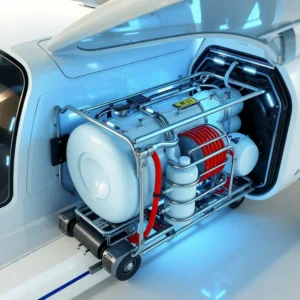
Electric aircraft operate by converting electrical energy stored in batteries into mechanical power to drive the propellers or rotors. The batteries are recharged either on the ground or in-flight using regenerative braking or solar panels. Advanced power management systems optimize energy usage and ensure smooth operation throughout the flight.
- Electric motors provide instant torque for rapid acceleration and improved performance.
- Battery technology continues to evolve, enabling longer flight durations and higher power output.
- Electric aircraft require specialized charging infrastructure and maintenance procedures.
Regional GEO Analysis
Electric aircraft adoption varies by region, with the United States, Europe, China, the Middle East, and India emerging as key markets for electric aviation. Each region has its unique regulatory environment, infrastructure challenges, and market dynamics that influence the pace of electric aircraft deployment and commercialization.
- The United States leads in electric aircraft innovation and testing, with several companies developing electric propulsion systems and airframes.
- Europe has ambitious plans for sustainable aviation, driving investments in electric aircraft research and development.
- China aims to become a global leader in electric aviation, leveraging its manufacturing capabilities and market demand for clean transportation.
Investor and Commercial Perspective
Investors and commercial operators are increasingly interested in electric aircraft due to their long-term cost savings, environmental benefits, and market potential. Airlines, charter companies, and cargo carriers are exploring electric aviation as a way to reduce operating expenses, comply with emissions regulations, and attract environmentally conscious customers.
- Investment in electric aircraft startups and projects is growing, with venture capital firms and government grants supporting innovation in the sector.
- Commercial airlines are exploring the feasibility of electric aircraft for short-haul flights and regional transportation routes.
- Cargo operators see electric aircraft as a way to lower fuel costs, reduce emissions, and enhance operational efficiency.
Installation or Deployment Challenges
Despite the numerous benefits of electric aircraft, several challenges remain in terms of infrastructure, regulation, and public acceptance. The transition to electric aviation requires significant investments in charging stations, battery technology, pilot training, and air traffic management systems to ensure the safe and efficient operation of electric aircraft.
- Infrastructure development is crucial for electric aircraft adoption, with airports, heliports, and urban vertiports needing charging facilities and maintenance services.
- Regulatory agencies must establish clear guidelines for electric aircraft certification, operation, and airspace integration to ensure safety and compliance.
- Public perception and acceptance of electric aircraft play a key role in shaping consumer attitudes and market demand for sustainable aviation solutions.
Future Predictions
The future of electric aircraft looks promising, with ongoing advancements in battery technology, electric propulsion systems, and aircraft design driving innovation in the industry. As electric aircraft become more efficient, reliable, and cost-effective, they are expected to play a significant role in the transition to a carbon-neutral aviation sector.
- Electric aircraft will continue to expand their market presence, offering a wide range of options for commercial, private, and cargo aviation applications.
- Technological breakthroughs in electric aviation will lead to longer flight ranges, faster charging times, and increased payload capacities.
- Regulatory frameworks and incentives will support the growth of electric aircraft, encouraging investment, research, and adoption across the global aviation industry.
Detailed Comparison Table
| Category | Details | Impact |
| Environmental Sustainability | Reduces carbon emissions and noise pollution | Improves air quality and reduces environmental impact |
| Operational Efficiency | Lower operating costs and maintenance expenses | Increases profitability and competitiveness |
| Technological Innovation | Advances in battery technology and electric propulsion systems | Drives industry growth and product development |
Related Topics
Learn more about the latest advancements in electric aviation:
- Electric Aircraft Innovations
- Future of Sustainable Aviation
- Challenges and Opportunities in Electric Flight
External Resources
Explore additional insights from industry-leading organizations:
Related guides: Benefits of electric aviation, Biggest Electric Aircraft Projects and Electric Aircraft Battery Technology.
Frequently Asked Questions
How do electric aircraft differ from traditional airplanes?
Electric aircraft use electric motors and batteries for propulsion, eliminating the need for fossil fuels and reducing emissions.
What are the main advantages of electric aviation?
Electric aviation offers environmental benefits, cost savings, and operational efficiency compared to traditional aircraft.
Are electric aircraft suitable for commercial flights?
Electric aircraft are increasingly being considered for short-haul and regional flights due to their lower operating costs and eco-friendly profile.
What challenges need to be addressed for widespread electric aircraft adoption?
Infrastructure development, regulatory frameworks, and public acceptance are key challenges that must be overcome for the successful deployment of electric aircraft.
What is the future outlook for electric aircraft in the aviation industry?
Electric aircraft are expected to play a significant role in the transition to sustainable aviation, with ongoing advancements driving growth and innovation in the sector.
Related Posts

Leave a Comment
Your comment will be published after it has been approved. Please send comments that do not contain slang words.