
Carbon zero building design
Updated September 2, 2026 · 4 min read
As the world shifts towards sustainable practices, carbon zero building design has emerged as a crucial aspect of creating a greener future. This innovative approach focuses on minimizing carbon emissions throughout the entire lifecycle of a building, from construction to operation.
Understanding Carbon Zero Building Design
Carbon zero building design involves the integration of renewable energy sources, energy-efficient technologies, and sustainable materials to achieve net-zero carbon emissions. By optimizing energy consumption and generation, these buildings aim to offset any remaining carbon footprint through carbon credits or other mechanisms.
Implementing carbon zero building design requires a holistic approach that considers factors such as building orientation, insulation, ventilation, and renewable energy systems. Through careful planning and innovative solutions, architects and engineers can create environmentally friendly structures that contribute to a more sustainable built environment.
Key Elements of Carbon Zero Building Design
1. Energy-efficient HVAC systems
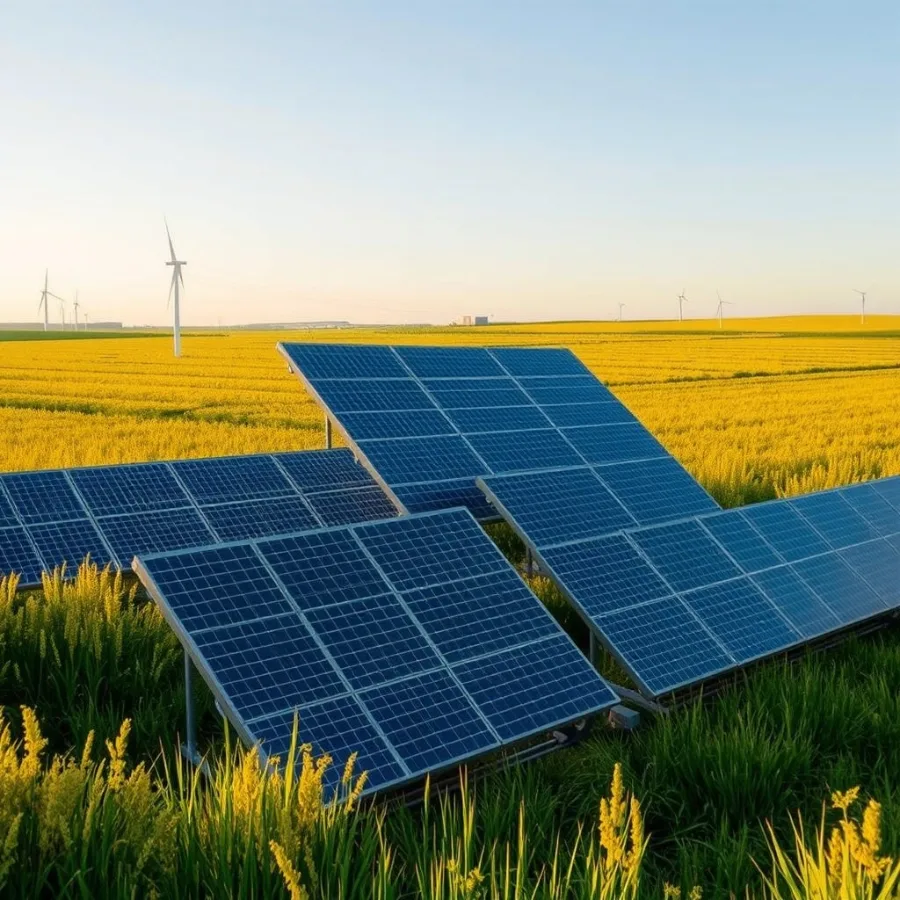
2. Solar panels and renewable energy sources
3. High-performance insulation and windows
4. Sustainable materials and construction practices
5. Smart building automation and controls
- Optimized building orientation
- Passive design strategies
- Water conservation measures
Market Trends and Industry Outlook
The demand for carbon zero buildings is on the rise, driven by increasing awareness of climate change and the benefits of sustainable living. Governments, businesses, and individuals are recognizing the importance of reducing carbon emissions in the built environment, leading to a growing market for green buildings.
Technological advancements and policy incentives are also fueling the adoption of carbon zero building design. Innovations in energy storage, smart grids, and building automation are making it easier and more cost-effective to achieve carbon neutrality in new and existing structures.
Regional Analysis: USA, Europe, China, Middle East, India
Each region faces unique challenges and opportunities when it comes to implementing carbon zero building design. While Europe leads the way in sustainable construction practices, countries like China and India are rapidly catching up due to urbanization and environmental concerns.
- USA: Strong focus on energy efficiency and renewable energy integration
- Europe: Leading in green building certifications and regulations
- China: Embracing sustainable design to combat air pollution
Investor Perspective and Market Projections
Investors are increasingly interested in funding carbon zero building projects due to their long-term sustainability and financial benefits. With the global shift towards clean energy and decarbonization, the market for green buildings is expected to grow significantly in the coming years.
Market projections indicate a steady increase in the adoption of carbon zero building design, driven by regulatory requirements, cost savings, and environmental consciousness. As technology continues to evolve, the feasibility and affordability of sustainable construction practices will continue to improve.
Future Predictions and Recommendations
Looking ahead, the future of building design lies in carbon neutrality and sustainable practices. By investing in energy-efficient technologies, renewable energy systems, and green building materials, stakeholders can contribute to a healthier planet and a more resilient built environment.
- Embrace circular economy principles
- Collaborate with industry experts and policymakers
- Prioritize life cycle assessments and environmental impact
Detailed Comparison Table
| Category | Details | Impact |
| Energy Efficiency | Optimized building systems | Reduced operational costs |
| Renewable Energy Integration | Solar panels and wind turbines | On-site clean energy generation |
| Sustainable Materials | Recycled content and low VOC | Improved indoor air quality |
Related Topics
More on sustainable construction
Benefits of green buildings
Future of carbon neutrality
External Resources
National Renewable Energy Laboratory
International Energy Agency
Related guides: Green Building Technologies for Sustainable Cities, Building Carbon-Free Supply Chains in 2026 and Zero Carbon Transportation Solutions.
Frequently Asked Questions
How are carbon zero buildings different from traditional structures?
Carbon zero buildings aim to achieve net-zero carbon emissions by minimizing energy consumption and utilizing renewable energy sources, whereas traditional structures rely heavily on fossil fuels for heating, cooling, and electricity.
What role do smart technologies play in carbon zero building design?
Smart technologies enable real-time monitoring, optimization, and control of building systems, allowing for greater energy efficiency and occupant comfort in carbon zero buildings.
Are there financial incentives for implementing carbon zero building design?
Many governments and organizations offer rebates, tax credits, and grants to promote sustainable construction practices and encourage the adoption of carbon zero building design.
How can existing buildings transition to carbon zero status?
Retrofitting existing buildings with energy-efficient technologies, renewable energy systems, and sustainable materials can help older structures reduce their carbon footprint and move towards carbon zero status.
What are the long-term benefits of investing in carbon zero building design?
Investing in carbon zero building design not only reduces greenhouse gas emissions and mitigates climate change but also enhances property value, improves occupant health and well-being, and future-proofs buildings against regulatory changes.
Final Industry Outlook
The future of the built environment lies in carbon zero building design, where sustainability, efficiency, and innovation converge to create healthier, more resilient structures. By embracing green building practices and investing in renewable energy solutions, stakeholders can pave the way for a more sustainable future.
Related Posts

Leave a Comment
Your comment will be published after it has been approved. Please send comments that do not contain slang words.