
Tesla Megapack Aviation Charging (2026): Solving the Grid Problem
Updated September 2, 2026 · 3 min read
Last updated: September 1, 2026
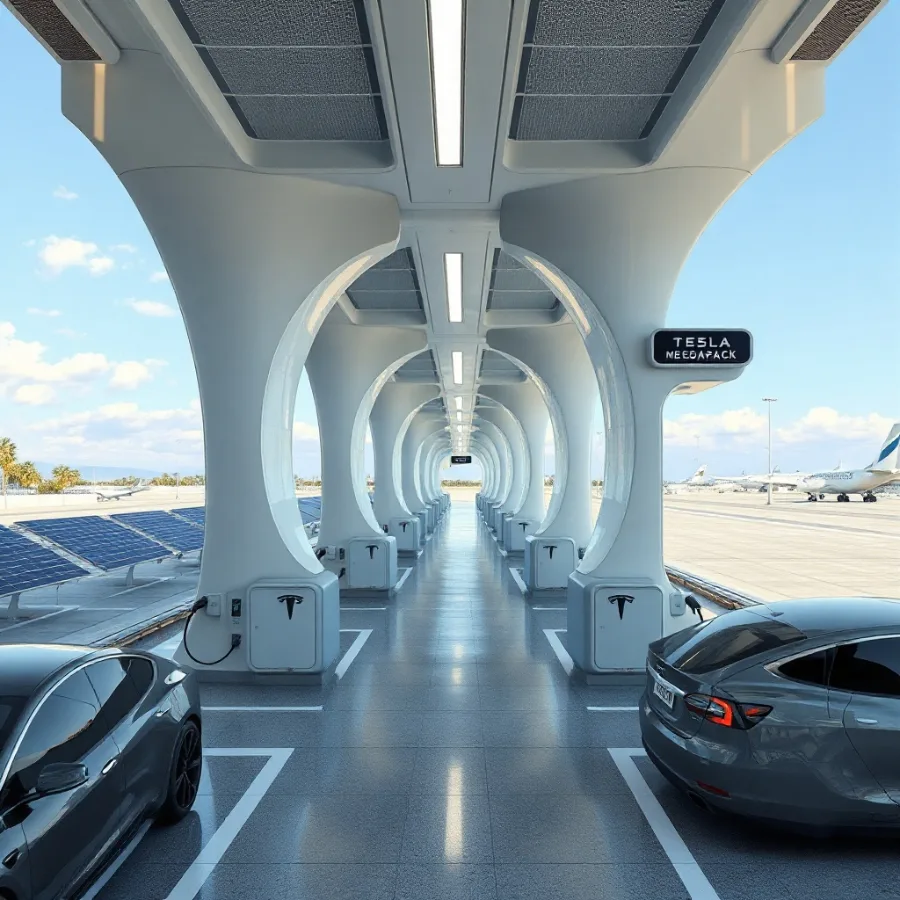
Tesla Megapack aviation charging, quick answer: grid-scale battery storage originally built for utilities — is increasingly deployed at airports to solve exactly the grid-capacity problem that limits electric aircraft and ground-equipment charging: storing power during low-demand hours and discharging it in bursts to support high-power charging without requiring a full substation upgrade. It doesn’t power aircraft directly; it makes airport grids capable of delivering the power aircraft charging actually needs.
Key takeaways
- Tesla Megapack solves a grid-capacity problem, not an energy-generation problem — it stores and releases existing grid power more flexibly.
- Airport aircraft charging can demand hundreds of kilowatts to megawatts in short bursts, which most airport grid connections weren’t sized for.
- Battery buffering lets airports avoid or delay expensive substation-level grid upgrades while still supporting high-power charging.
- This is the same battery-buffered-station concept increasingly used at public EV fast-charging sites, applied to airport scale.
The Problem Tesla Megapack Aviation Charging Actually Solves

Airport electrical grids were sized for terminals, lighting, and conventional ground equipment — not for aircraft that might need hundreds of kilowatts to multiple megawatts of charging power in a compressed window between flights. Upgrading the actual grid connection to handle that peak demand directly can mean expensive substation work and lengthy utility coordination. Tesla Megapack and similar grid-scale battery systems offer a different path: charge the batteries steadily from the existing grid connection during low-demand hours, then discharge them rapidly to support aircraft or ground-equipment charging when needed — meeting peak demand without needing peak-capacity infrastructure.
How This Connects to EV Charging Infrastructure

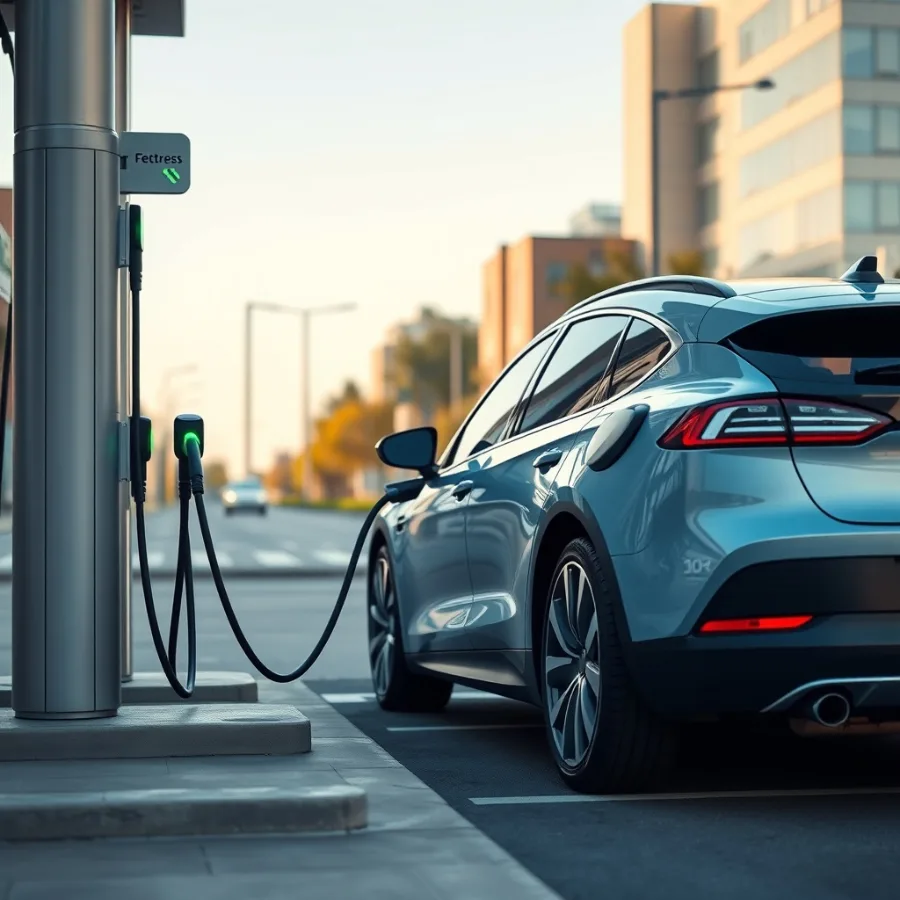
This is the same battery-buffering principle already used at public EV fast-charging stations to offer high peak power without an expensive grid upgrade — Tesla Megapack applies it at airport scale, where the power demands and grid constraints are simply larger versions of the same problem. The connection isn’t coincidental: the engineering lessons from years of EV charging network buildout are directly informing how airports approach aviation charging infrastructure, and our charging grids vs hydrogen guide covers the broader airport infrastructure picture this fits into.
What This Means for Electric Aviation’s Timeline
 electric aviation charging infrastructure" loading="lazy" style="max-width:100%;height:auto;" />
Grid capacity has been an underappreciated bottleneck in electric aviation’s practical rollout — a technically ready aircraft is useless if the airport can’t actually deliver the power to charge it between flights. Battery-buffered systems like Megapack remove that bottleneck without waiting years for utility-scale grid upgrades, which matters directly for the timeline of electric aircraft covered in our electric aircraft guide. It’s infrastructure plumbing, not glamorous, but it’s the kind of unglamorous engineering that determines whether ambitious aircraft timelines actually hold.
Tesla Megapack Aviation Charging FAQ
Does Tesla Megapack power aircraft directly?
No – it stores grid electricity and discharges it in high-power bursts to support aircraft or ground-equipment charging. It solves a grid-capacity problem, letting airports meet peak charging demand without a full grid upgrade.
Why do airports need battery storage for charging?
Aircraft charging can demand hundreds of kilowatts to megawatts in short windows between flights, exceeding what most airport grid connections were originally sized for. Battery buffering meets that peak demand without expensive substation upgrades.
Is this the same technology used at public EV chargers?
Yes, the same principle – battery-buffered charging stations already reduce grid-upgrade costs at public EV fast-charging sites. Airport deployments like Tesla Megapack apply the identical concept at a larger scale.
Does grid capacity actually limit electric aviation today?
Yes, it’s an underappreciated bottleneck – a certified, ready aircraft still needs enough charging power at the airport to turn around between flights, and many airport grids weren’t built for that demand.
How much does battery-buffered airport charging cost compared to a grid upgrade?
Generally less and faster to deploy than a full substation-level grid upgrade, since it works within existing grid connections rather than requiring new utility-scale infrastructure and coordination.
Is Tesla the only company building this kind of system?
No – Tesla Megapack is a prominent example, but grid-scale battery storage for high-power charging applications is a broader industry approach used by multiple manufacturers at both EV charging sites and airports.
Related Guides on ZeroCarbonDrive
- Charging grids vs hydrogen fueling stations — the broader airport infrastructure picture
- Electric aircraft explained — the aircraft this infrastructure supports
- Smart charging solutions — the consumer-scale version of this same principle
Sources and Further Reading
Related Posts


Leave a Comment
Your comment will be published after it has been approved. Please send comments that do not contain slang words.