
The Role of Electric Vehicles in Net-Zero Strategies
Updated September 2, 2026 · 2 min read
The Role of Electric Vehicles in Net-Zero Strategies
What is the significance of electric vehicles in achieving net-zero emissions
Electric vehicles play a crucial role in reducing carbon emissions and moving towards a sustainable future. As the transportation sector is a significant contributor to greenhouse gas emissions, transitioning to electric vehicles can help mitigate the impact on the environment.
How do electric vehicles contribute to a cleaner environment
By running on electricity instead of fossil fuels, electric vehicles produce zero tailpipe emissions. This helps improve air quality, reduce pollution, and combat climate change by lowering the carbon footprint associated with transportation.
What are the benefits of integrating electric vehicles into net-zero strategies
Integrating electric vehicles into net-zero strategies not only reduces emissions but also promotes energy efficiency and sustainability. It helps diversify the energy sources for transportation and creates opportunities for renewable energy integration.
How can the adoption of electric vehicles accelerate the transition to a net-zero economy
The widespread adoption of electric vehicles can drive innovation in clean energy technologies and infrastructure. It can also stimulate economic growth, create new job opportunities, and enhance energy security by reducing reliance on imported fossil fuels.
What role do policies and incentives play in promoting the use of electric vehicles
Policies that support the deployment of electric vehicles, such as incentives, rebates, and charging infrastructure development, are essential for encouraging consumers to choose electric vehicles. Governments play a vital role in shaping the market and driving the transition to sustainable transportation.
How can electric vehicles help countries meet their climate goals
Electric vehicles offer a practical solution for countries to reduce their carbon footprint and meet their climate goals. By electrifying the transportation sector, countries can make significant progress towards achieving net-zero emissions and combating climate change.
What are the challenges associated with the widespread adoption of electric vehicles
Despite their environmental benefits, electric vehicles face challenges such as range anxiety, charging infrastructure limitations, and upfront costs. Overcoming these barriers requires collaborative efforts from governments, industries, and consumers.
How can innovation and technology advancements drive the growth of electric vehicles
Innovations in battery technology, charging infrastructure, and smart grid integration are essential for accelerating the growth of electric vehicles. As technology continues to evolve, electric vehicles will become more efficient, affordable, and accessible to a broader audience.
What role do consumers play in the transition to electric vehicles
Consumer awareness, preferences, and behaviors influence the demand for electric vehicles. Educating consumers about the benefits of electric vehicles and addressing their concerns can help increase adoption rates and drive the transition to a cleaner, more sustainable transportation system.
How can the synergy between electric vehicles and renewable energy sources create a more sustainable future
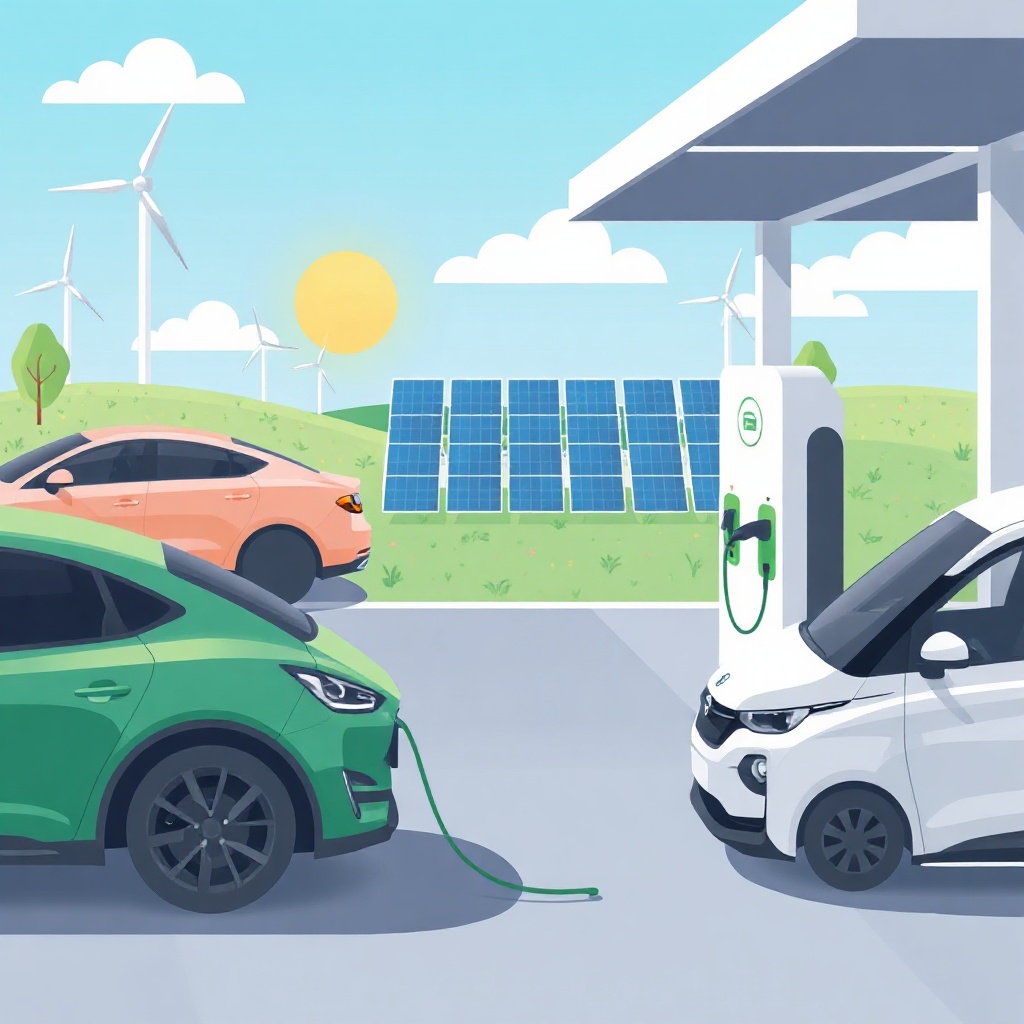
The integration of electric vehicles with renewable energy sources such as solar and wind power can create a more sustainable transportation system. By using clean energy to charge electric vehicles, we can reduce emissions, promote energy independence, and build a greener future for generations to come.
Related guides: The Role of Electric Vehicles in Reducing Urban Carbon Footprints, Carbon Footprint Of Electric Vehicles, 2026 Net-Zero Standards: A Guide for Small Businesses [Step-by-Step]
Sources and Further Reading
Related Posts


Leave a Comment
Your comment will be published after it has been approved. Please send comments that do not contain slang words.