
Clean Energy Charging (2026): Solar, Tariffs and Timing
Updated September 2, 2026 · 5 min read
Last updated: September 1, 2026
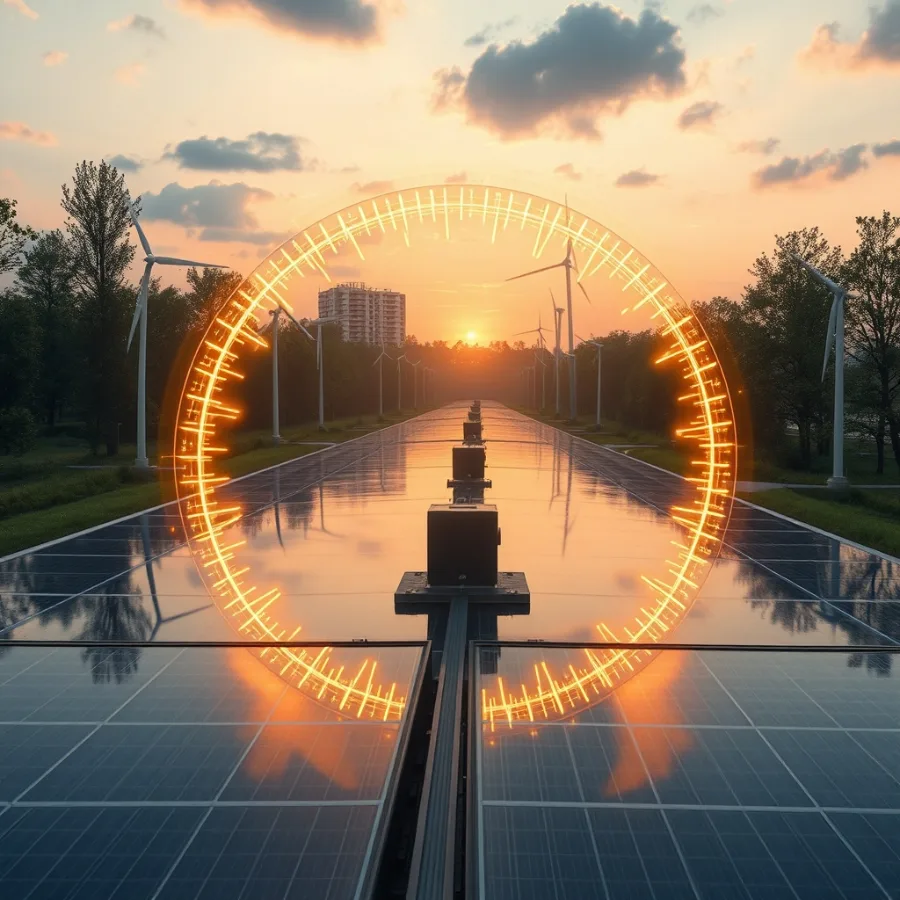
Quick answer: Clean energy charging means sourcing the electricity that charges your EV from renewables — rather than passively accepting whatever mix your grid happens to deliver. Three practical paths get you there: home solar paired with a charger, a green/renewable electricity tariff from your utility, or scheduling charging for your grid’s cleanest hours. Each works independently, and combining them gets you closest to genuinely carbon-free driving.
Key takeaways
- Clean energy charging is an active choice — the default grid mix in most regions is only partially renewable.
- Home solar paired with an EV charger is the most direct clean energy charging path available to homeowners.
- Green electricity tariffs let renters and apartment dwellers access clean energy charging without installing anything.
- Even without solar or a green tariff, timing charging for your grid’s cleanest hours captures a real, free benefit.
The Three Paths to Clean Energy Charging

| Path | How it works | Best for | Upfront cost |
|---|---|---|---|
| Home solar + charger | Generate your own renewable electricity on-site | Homeowners with suitable roof/property | Highest — solar system + charger installation |
| Green/renewable utility tariff | Pay a utility that sources or matches your usage with renewables | Renters, apartment dwellers, anyone without home solar | Often minimal — sometimes even cost-neutral |
| Off-peak/cleanest-hour scheduling | Charge when the grid itself is running cleanest | Everyone, regardless of housing situation | Free — just a schedule setting |
These aren’t mutually exclusive — a homeowner with solar can still schedule charging around sunny hours specifically, and a renter on a green tariff benefits further from timing on top of it. Our EV charging and grid emissions guide covers the timing-specific mechanics in depth; this page focuses on the sourcing choices layered on top.
Path 1: Pairing Home Solar With Your Charger

The most direct clean energy charging setup: rooftop solar panels feeding a home EV charger, ideally with a system sized to cover most of your typical charging load. Smart chargers increasingly support solar-aware scheduling — automatically shifting charging to match periods of excess solar production rather than drawing from the grid at all. The financial case reinforces the environmental one: self-generated solar electricity is typically cheaper per kWh than any utility rate, meaning this path often pays for itself faster than either the solar system or the EV alone would. See our Level 2 charger guide for the hardware side of this pairing.
Path 2: Green Electricity Tariffs
Not everyone can install solar — renters, apartment dwellers, and homeowners with unsuitable roofs all need another route to clean energy charging. Many utilities now offer green tariffs: plans where your payment funds renewable generation matching (or exceeding) your usage, even though the physical electrons reaching your home are the same grid mix as everyone else’s. This is a legitimate clean energy charging mechanism — it directs real money toward renewable capacity — though it’s worth understanding the difference between utilities that fund NEW renewable projects versus those that simply purchase existing renewable energy certificates (RECs), which some analysts consider a weaker signal. Ask your utility directly which model their green tariff uses if this distinction matters to you.
Path 3: Timing Without Spending Anything

Even without solar or a green tariff, clean energy charging is available for free: most grids have measurably cleaner hours (commonly midday for solar-heavy grids, sometimes overnight for wind-heavy ones), and scheduling your EV to charge during those windows captures a real emissions benefit without any purchase. Our smart charging solutions guide covers how to set this up in minutes through your car’s own app, which for most drivers is the single easiest clean energy charging step available today.
How Much Does Any of This Actually Matter?
Context matters here: even charging on an unoptimized, default grid mix, an EV already beats a comparable gas car on lifecycle emissions in nearly every US region — covered fully in our EV emissions and renewable energy guide. Clean energy charging through these three paths is a genuine additional improvement on top of that baseline, not a prerequisite for an EV to be the right choice. Pursue whichever paths fit your situation and budget, in whatever order makes sense — every step is additive, not all-or-nothing.
How this term compares to net zero is explained in our carbon zero vs net zero guide.
Clean Energy Charging FAQ
renewable EV charging is worth a closer look for the full picture.
accessible clean energy tech is worth a closer look for the full picture.
clean energy charging reliability is worth a closer look for the full picture.
What does clean energy charging actually mean?
Actively sourcing the electricity for your EV from renewables, rather than passively accepting your grid’s default mix – through home solar, a green utility tariff, scheduled off-peak timing, or some combination of the three.
Is solar or a green tariff better for clean energy charging?
Neither is universally better – solar suits homeowners with suitable property and delivers the most direct, often cheapest electricity; green tariffs suit renters and apartment dwellers with no installation needed. Many people combine timing with either.
Are green electricity tariffs actually meaningful?
Generally yes, though quality varies – tariffs that fund new renewable projects have a stronger real-world impact than those that simply purchase existing renewable energy certificates. Ask your utility which model theirs uses if this matters to you.
Can I do clean energy charging for free?
Yes – scheduling your EV to charge during your grid’s measurably cleanest hours costs nothing beyond a settings change in your car’s app, and captures a real emissions benefit on top of an EV’s already-lower baseline footprint.
Do I need clean energy charging for an EV to be worth it environmentally?
No – even on a default, unoptimized grid mix, an EV already beats a comparable gas car on lifecycle emissions in nearly every US region. Clean energy charging is an additional improvement, not a prerequisite.
Does home solar pay for itself faster with an EV?
Often yes – self-generated solar electricity is typically cheaper per kWh than utility rates, and an EV’s charging demand gives a solar system a large, predictable daily load to offset, often improving the payback timeline for both purchases.
Related Guides on ZeroCarbonDrive
- EV charging and grid emissions — the timing-specific deep dive
- EV emissions and renewable energy — the baseline case regardless of sourcing choices
- Smart charging solutions — automating the scheduling path
Sources and Further Reading
Related Posts
Leave a Comment
Your comment will be published after it has been approved. Please send comments that do not contain slang words.