
Aviation: Zero-Emission Solutions

Updated September 2, 2026 · 2 min read
In today’s world, where sustainability and environmental impact are at the forefront of global discussions, the aviation industry faces significant challenges. However, the concept of zero-emission aviation is not just a distant dream but a tangible goal that is within reach. By exploring innovative solutions and embracing new technologies, the aviation sector can pave the way for a more sustainable future.
The Rise of Zero-Emission Aviation
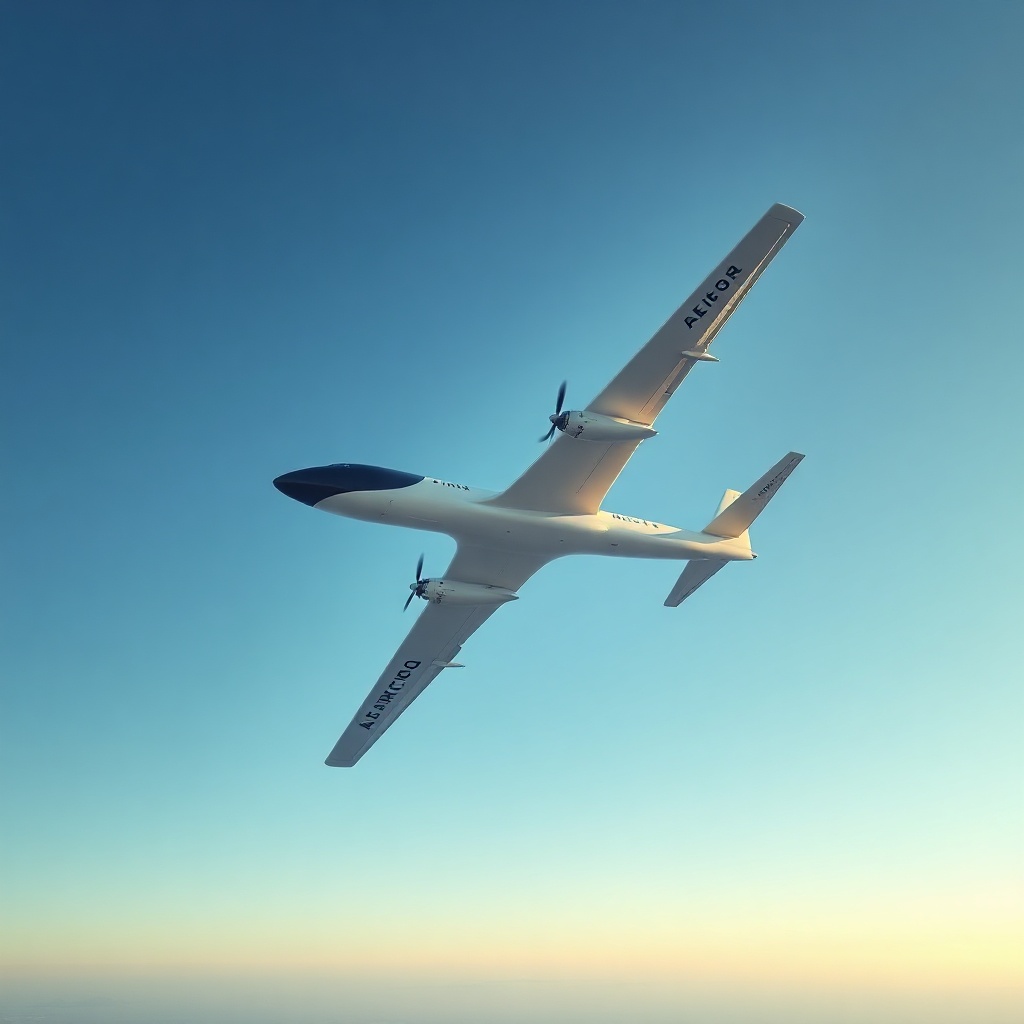
Zero-emission aviation refers to aircraft that produce no harmful emissions during flight, significantly reducing their carbon footprint. Electric and hybrid-electric propulsion systems are at the forefront of this revolution, offering a cleaner alternative to traditional jet engines. These cutting-edge technologies have the potential to transform the way we think about air travel and mitigate the environmental impact of aviation.
Electric aircraft, powered by rechargeable batteries, are already making waves in the industry. Companies like Airbus and Boeing are investing heavily in the development of electric planes that promise to revolutionize the way we travel. By eliminating the need for fossil fuels, these aircraft can drastically reduce greenhouse gas emissions and pave the way for a more sustainable aviation sector.
Hybrid-electric aircraft, which combine traditional fuel engines with electric propulsion systems, offer another promising avenue for zero-emission aviation. By leveraging the efficiency of electric motors alongside conventional engines, these aircraft can significantly reduce fuel consumption and emissions without compromising performance. As technology continues to advance, hybrid-electric aircraft are poised to become a key player in the transition to sustainable air travel.
Overcoming Challenges and Embracing Innovation
While the concept of zero-emission aviation holds immense promise, it also comes with its own set of challenges. The limited energy density of current battery technologies poses a significant hurdle for electric aircraft, limiting their range and payload capacity. Additionally, the infrastructure needed to support widespread adoption of electric aviation, such as charging stations and battery recycling facilities, is still in its nascent stages.
Despite these challenges, the aviation industry is forging ahead with innovation and collaboration to overcome obstacles and drive progress towards zero-emission aviation. Governments, industry stakeholders, and research institutions are working together to develop new technologies, improve infrastructure, and create a regulatory framework that supports the transition to sustainable air travel.
As we look towards the future of aviation, it is clear that zero-emission solutions are not just a possibility but a necessity. By embracing innovation, investing in sustainable technologies, and working together towards a common goal, the aviation industry can lead the way towards a greener, more environmentally friendly future for air travel.
Related guides: Aviation Tech: Electric Solutions, Future of Aviation Solutions, Aviation: Carbon-Free Solutions
Sources and Further Reading
Related Posts


Leave a Comment
Your comment will be published after it has been approved. Please send comments that do not contain slang words.