
Developing Electric Aircraft: Trends
Updated September 2, 2026 · 2 min read
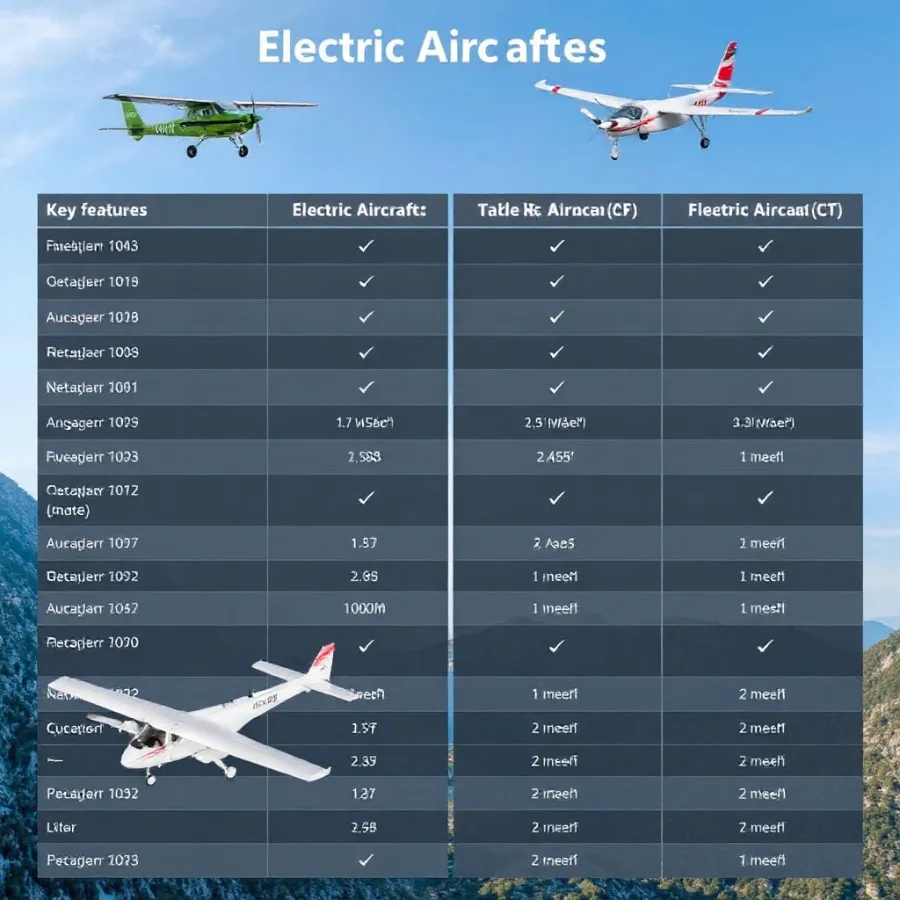
Electric aircraft development is a rapidly evolving field within the aviation industry, driven by the urgent need for sustainable transportation solutions and the continuous advancement of future technologies. As the world shifts towards reducing carbon emissions and embracing cleaner energy sources, the demand for electric aircraft is steadily increasing. This trend is not only shaping the future of air travel but also revolutionizing the way we perceive transportation.
Advancements in Battery Technology
One of the key drivers in the development of electric aircraft is the continuous advancements in battery technology. As battery energy density increases and costs decrease, the feasibility of electric propulsion systems for aircraft becomes more promising. With the ability to store and supply power efficiently, modern batteries are essential for the success of electric aircraft.
Regulatory Environment and Market Adoption
The regulatory environment plays a crucial role in the widespread adoption of electric aircraft. Governments worldwide are incentivizing the development and deployment of electric aviation technologies through funding, grants, and regulatory frameworks that support sustainable aviation. Market adoption is also gaining momentum, with airlines and aircraft manufacturers investing in electric propulsion systems to meet environmental targets.
Challenges and Opportunities
Despite the progress made in electric aircraft development, there are still challenges to overcome. Limited battery range, infrastructure constraints, and high initial costs are some of the hurdles that need to be addressed. However, these challenges also present opportunities for innovation and growth in the electric aviation sector. By investing in research and development, stakeholders can overcome these obstacles and unlock the full potential of electric aircraft.
Global Market Trends and Competitiveness
The global market for electric aircraft is experiencing significant growth, driven by increasing awareness of environmental issues and the push for sustainable transportation solutions. Countries like the United States, United Kingdom, and European Union are leading the way in electric aircraft development, with companies competing to create cutting-edge technologies that meet market demands. As competition intensifies, innovation and collaboration are essential for staying competitive in the evolving electric aviation market.
Future Outlook and Potential Impact
Looking ahead, the future of electric aircraft is promising, with continued advancements in technology and growing industry support. Electric aircraft have the potential to revolutionize air travel, offering quieter, cleaner, and more efficient transportation options. As the industry continues to evolve, the impact of electric aircraft on the aviation sector and the environment will be significant, paving the way for a more sustainable and eco-friendly future of air travel.
Related guides: Developing Sustainable Aircraft, Electric aircraft market trends, Electric Aviation: Design Trends
Sources and Further Reading
Related Posts
Leave a Comment
Your comment will be published after it has been approved. Please send comments that do not contain slang words.