
V2G Infrastructure Guide
Updated September 2, 2026 · 3 min read
- V2G infrastructure is standards-ready but not yet market-ready: ISO 15118-20 Amendment 1 (bidirectional power transfer) was only published in July 2026.
- The EU is mandating ISO 15118-20 and full V2G capability for chargers by January 1, 2027 — a real regulatory deadline, not a suggestion.
- A car with V2G-capable hardware still needs compatible chargers, utility program approval, and certified interoperable products before it can actually export power.
- California leads real-world V2G pilots today, through utilities like PG&E, Southern California Edison, and San Diego Gas & Electric.
Good V2G infrastructure requires three things working together, not just a bidirectional-capable EV: a compatible charger built to the right standard, utility program approval to actually accept exported power, and interoperability certification so the car and charger can talk to each other reliably. In 2026, the standards finally caught up — but certified, on-sale interoperable products still don’t widely exist yet.

The Standard Just Matured — In 2026
| Milestone | Date | Significance |
|---|---|---|
| ISO 15118-20 Amendment 1 published | July 13, 2026 | Adds standardized bidirectional power transfer |
| EU AFIR: ISO 15118-2 mandatory for new public AC chargers | January 8, 2026 | First-generation smart charging standard, not yet bidirectional |
| EU AFIR: ISO 15118-20 + full V2G mandatory | January 1, 2027 | Applies to public and private chargers |
Why “V2G-Capable” Doesn’t Mean “V2G-Ready”
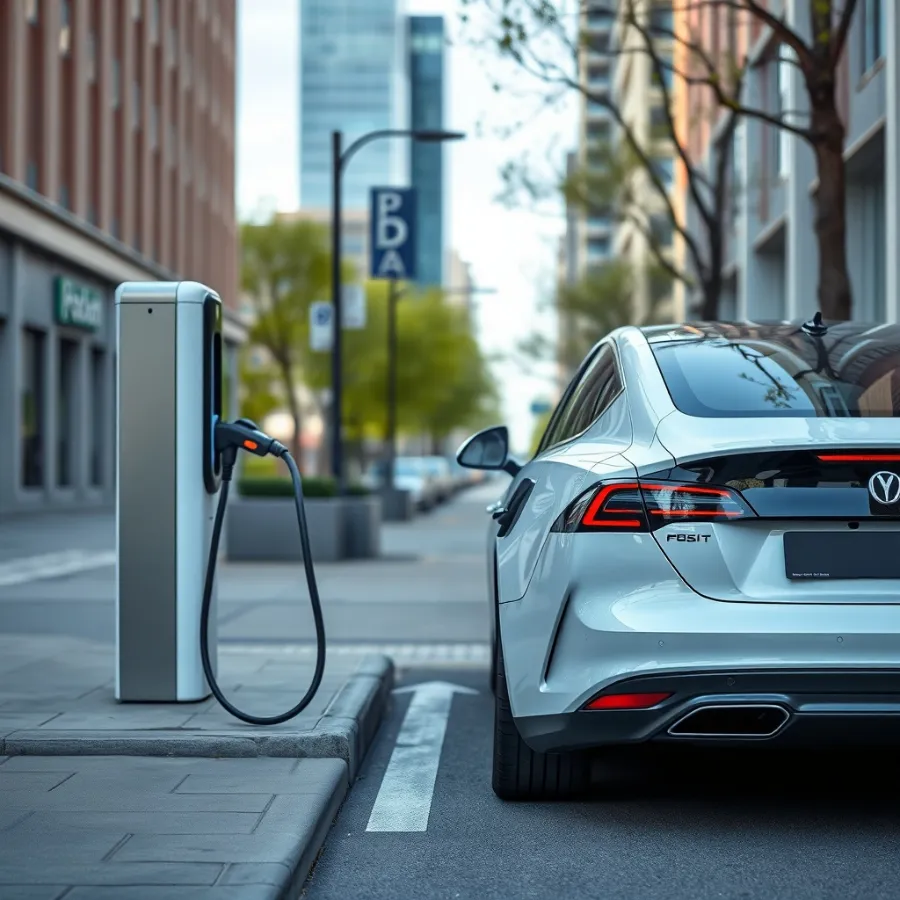
A car being technically capable of bidirectional power transfer is only step one. Real V2G infrastructure also needs: a charger certified to the matching ISO 15118-20 standard, a utility program willing to accept and compensate for exported power, and interoperability testing between the specific car and charger models involved. As of 2026, standards-based bidirectional charging over NACS is still emerging, not widely deployed — certified interoperable products aren’t broadly on sale yet.
Where V2G Actually Works Today
| Region/Utility | Program status |
|---|---|
| California (PG&E, SCE, SDG&E) | National leader — active pilot programs, limited enrollment |
| Other US states | Mostly pilot-stage, concentrated in states with aggressive clean energy goals |
| EU | Regulatory mandate set (Jan 2027) but infrastructure still catching up |
Most current programs are pilots with limited enrollment rather than open commercial rollouts — V2G infrastructure exists in pockets, not as a general consumer option yet.
What’s Actually Slowing Deployment
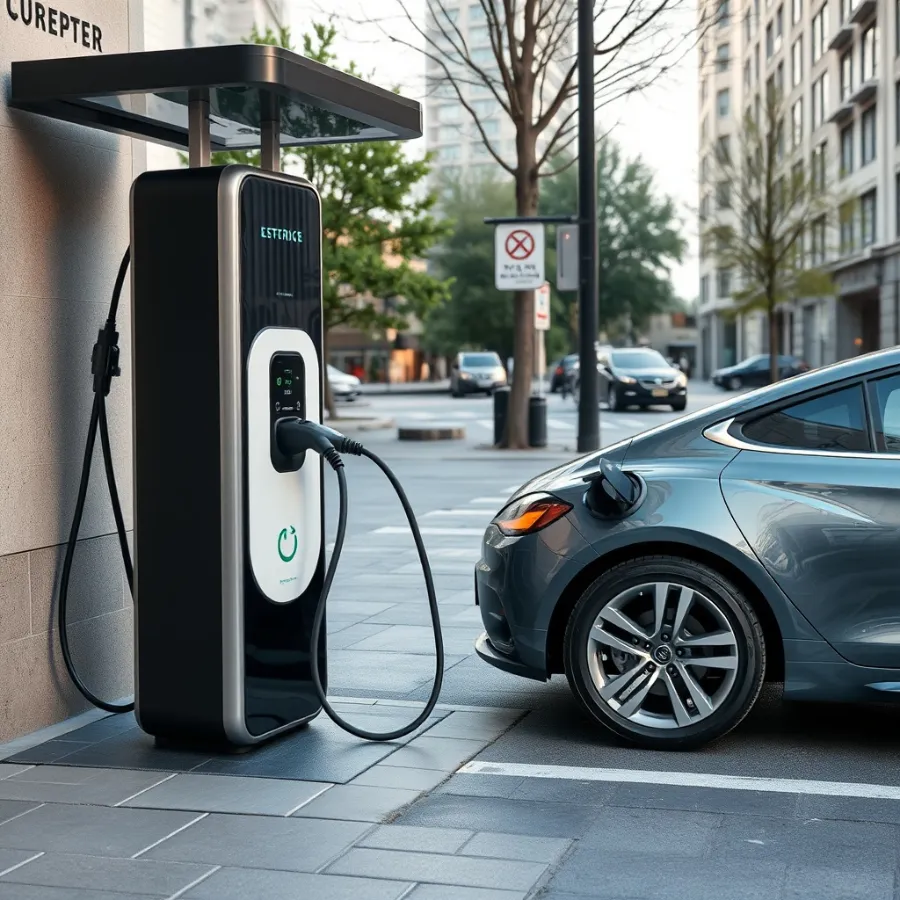
- Certification lag — the ISO 15118-20 bidirectional amendment only published in mid-2026, so certified products are just starting to reach the pipeline.
- Utility program approval — even with the right hardware, a utility has to build (and regulators approve) a program that compensates owners for exported energy.
- Interoperability testing — car-to-charger compatibility isn’t automatic just because both claim ISO 15118-20 support.
What to Watch Next
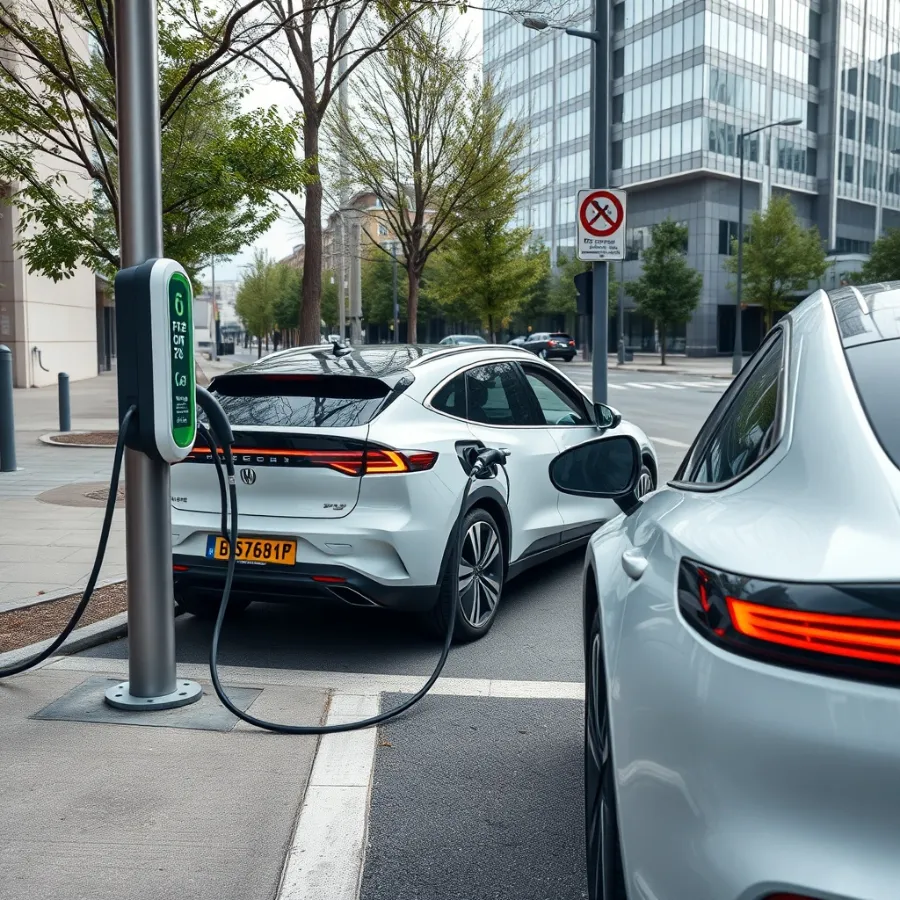
The EU’s January 2027 mandate is the clearest forcing function on the calendar — expect a wave of certified bidirectional charger products aiming to hit that deadline, which should also accelerate US and other-market product availability as manufacturers build to one global standard rather than region-specific hardware.
One-Minute Recap
- ISO 15118-20 Amendment 1 (bidirectional power) published July 2026 — the standard is finally ready.
- EU mandates full V2G capability for chargers by January 1, 2027.
- A V2G-capable car still needs a certified charger and a utility program to actually work today.
- California leads real-world pilots; most other regions are still early-stage.
energy grid efficiency is worth a closer look for the full picture.
Is V2G infrastructure widely available in 2026?
No, not yet. The ISO 15118-20 bidirectional charging standard only published its Amendment 1 in July 2026, and certified interoperable products are still emerging rather than broadly on sale.
Does having a V2G-capable EV mean I can use V2G today?
Not automatically. You also need a compatible certified charger, a utility program that accepts and compensates for exported power, and confirmed interoperability between your specific car and charger models.
When will the EU require V2G-capable chargers?
By January 1, 2027, under the EU’s AFIR regulation, both public and private chargers must support ISO 15118-20 and full V2G capability.
Which US region leads in V2G deployment?
California, through utility pilot programs run by PG&E, Southern California Edison, and San Diego Gas & Electric — though these remain limited-enrollment pilots rather than open commercial programs.
What is ISO 15118-20 and why does it matter for V2G?
It’s the international standard covering smart and bidirectional EV charging communication. Its Amendment 1, published July 2026, added the standardized specification for bidirectional power transfer needed for true V2G.
What’s the biggest obstacle to V2G infrastructure scaling up?
A combination of certification lag (the bidirectional standard is brand new), utility program approval requirements, and interoperability testing between specific car and charger models — not a lack of demand.
Sources and Further Reading
Related Posts

Leave a Comment
Your comment will be published after it has been approved. Please send comments that do not contain slang words.