
Future mobility technology innovations
Updated September 2, 2026 · 2 min read
The future of transportation is being reshaped by groundbreaking technological advancements in the mobility sector. From autonomous vehicles to smart infrastructure, innovation is driving a revolution in how we move from one place to another. These developments are not only changing the way we travel but also impacting various industries and reshaping urban landscapes worldwide.
Autonomous Vehicles Revolution
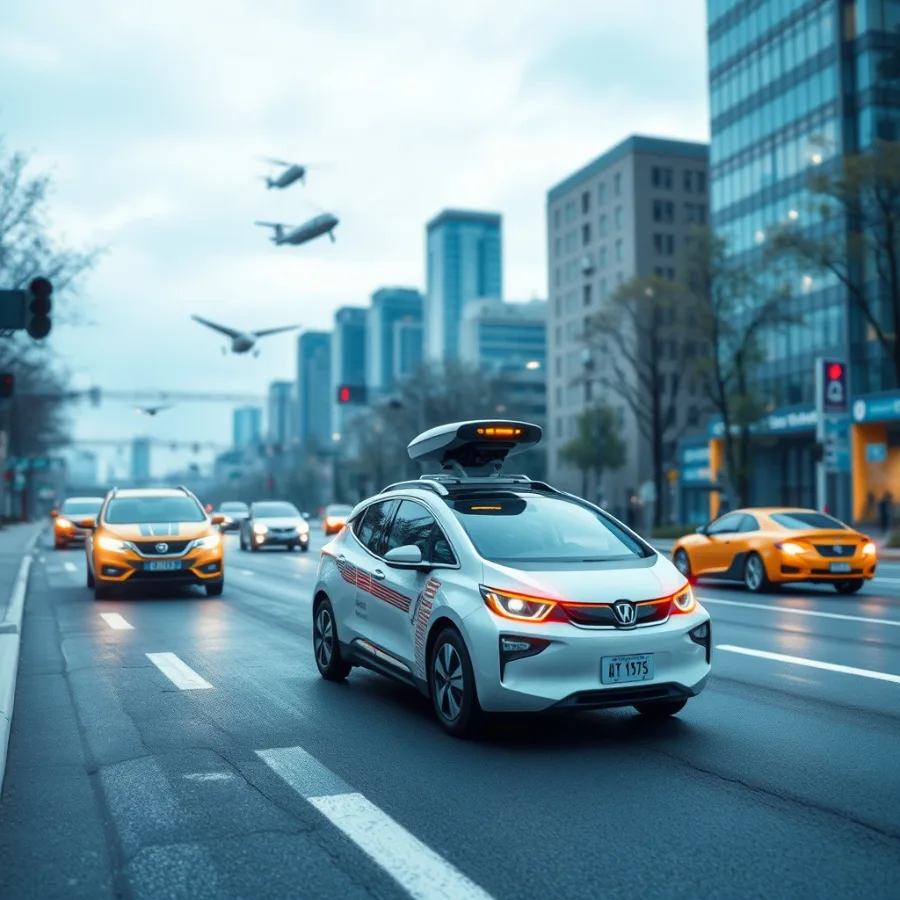
Autonomous vehicles, also known as self-driving cars, are at the forefront of future mobility technology. These vehicles utilize a combination of sensors, cameras, and artificial intelligence to navigate roads without human intervention. With major companies investing billions in research and development, the dream of fully autonomous vehicles on our streets is becoming a reality. The potential benefits of autonomous vehicles include increased road safety, reduced traffic congestion, and improved accessibility for individuals with mobility restrictions.
Electric Vehicles for Sustainable Transportation
The shift towards electric vehicles (EVs) is a key component of the sustainable transportation movement. As concerns about climate change and air pollution grow, EVs offer a cleaner and more environmentally friendly alternative to traditional gasoline-powered vehicles. With advancements in battery technology and charging infrastructure, EVs are becoming more accessible to consumers around the globe. Governments are also incentivizing the adoption of EVs through subsidies, tax breaks, and stricter emissions regulations.
Smart Infrastructure Integration
Smart infrastructure plays a crucial role in enabling the seamless operation of future mobility technologies. From connected traffic lights to intelligent transportation systems, smart infrastructure is transforming our cities into more efficient and sustainable environments. By integrating sensors and data analytics, cities can optimize traffic flow, reduce energy consumption, and improve overall transportation efficiency. The development of 5G networks is also paving the way for faster communication between vehicles and infrastructure, enhancing the safety and reliability of future mobility systems.
Shared Mobility Services
The rise of shared mobility services, such as ride-sharing and bike-sharing platforms, is changing the way people think about transportation. These services offer convenient, affordable, and eco-friendly alternatives to traditional car ownership. By leveraging technology and data analytics, shared mobility providers can optimize vehicle utilization, reduce carbon emissions, and improve urban mobility. As more cities embrace shared mobility solutions, the demand for public transportation is expected to decrease, leading to more sustainable and efficient transportation networks.
Urban Air Mobility
Urban air mobility (UAM) is a futuristic concept that involves the use of electric vertical takeoff and landing (eVTOL) aircraft for urban transportation. These drone-like vehicles have the potential to revolutionize urban mobility by bypassing traffic congestion and offering faster point-to-point travel. While the technology is still in its early stages, companies like Uber and Airbus are actively developing eVTOL prototypes and exploring the regulatory frameworks needed to support UAM services. With the promise of reducing travel times and improving connectivity within cities, UAM could become a game-changer in the future of transportation.
Related guides: Future mobility project examples, Future mobility market 2026, Future mobility regulatory updates
Sources and Further Reading
Related Posts

Leave a Comment
Your comment will be published after it has been approved. Please send comments that do not contain slang words.