
Green propulsion for space
Updated September 2, 2026 · 1 min read
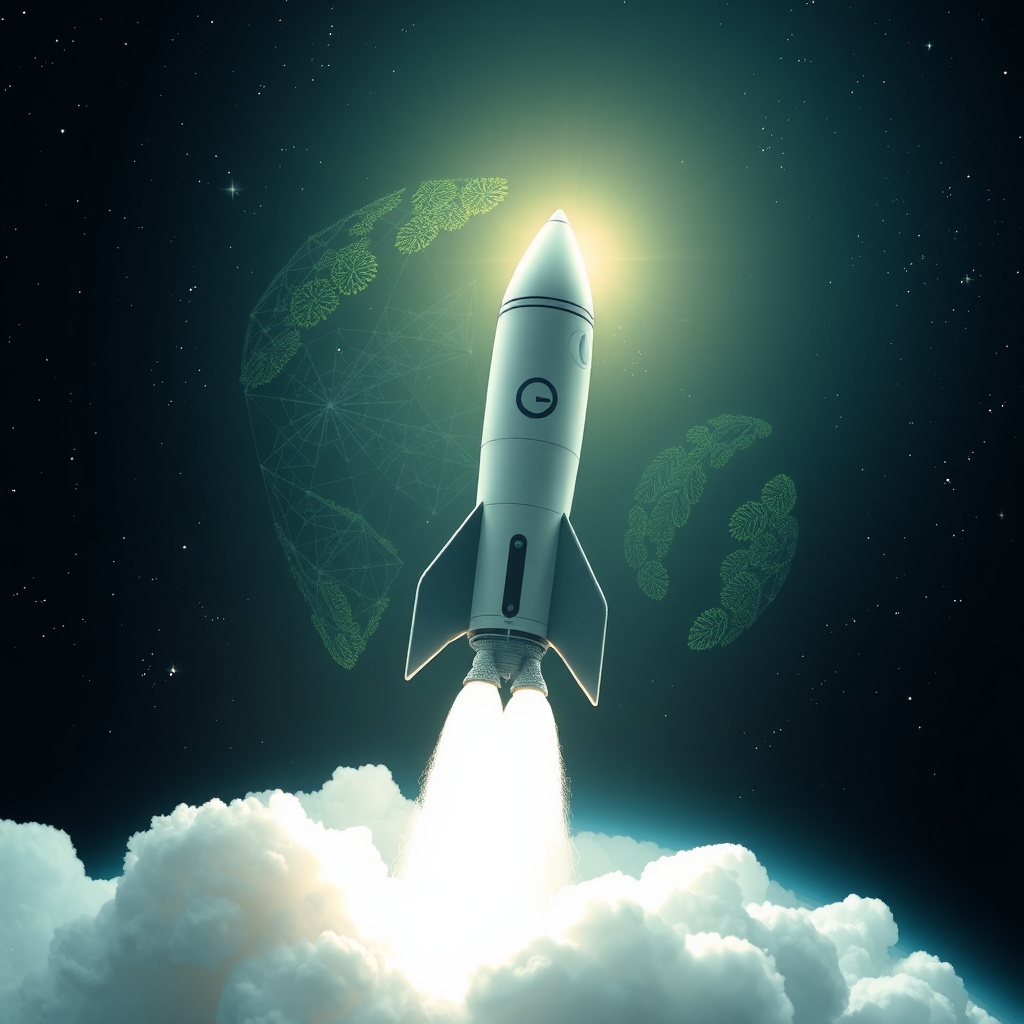
As space exploration advances, the need for sustainable technology becomes increasingly important. Green propulsion offers a promising solution to reduce the environmental impact of space missions while ensuring efficient and reliable spacecraft operation. By utilizing eco-friendly rockets powered by renewable energy sources, such as solar or electric propulsion systems, the aerospace industry can significantly decrease its carbon footprint and contribute to a more sustainable future for space travel.
The Benefits of Green Propulsion
Green propulsion systems offer a range of benefits beyond environmental sustainability. These systems are often more cost-effective in the long run, requiring less maintenance and minimizing the need for hazardous fuels. Additionally, green propulsion technologies can lead to increased mission flexibility and extended spacecraft lifespans, ultimately enhancing the efficiency and effectiveness of space exploration missions.
Advancements in Sustainable Rocket Technology
Recent advancements in sustainable rocket technology have paved the way for more eco-friendly propulsion systems. From reusable rocket stages to innovative propulsion methods like ion thrusters, the aerospace industry is continuously working to develop greener alternatives to traditional chemical propulsion. These advancements not only reduce the environmental impact of space missions but also open up new possibilities for long-duration space travel and interplanetary exploration.
The Future of Eco-Friendly Space Exploration
Looking ahead, the future of space exploration is undoubtedly tied to the development and adoption of green propulsion technologies. As the demand for sustainable solutions grows, more companies and organizations are investing in research and development to create innovative and efficient eco-friendly rockets. By prioritizing environmental responsibility and embracing green propulsion, the aerospace industry can lead the way towards a cleaner, more sustainable approach to space exploration.
Related guides: Green propellants for space missions, Electric propulsion systems design, The Evolution of Electric Propulsion: What Tesla Engineers Can Learn from NASA
Sources and Further Reading
Related Posts
Leave a Comment
Your comment will be published after it has been approved. Please send comments that do not contain slang words.