
Future of Freight Transit
Updated September 2, 2026 · 4 min read
As the world shifts towards sustainable transportation solutions, the future of freight transit is at the forefront of innovation and development. Electric Vehicles, Clean Energy, Future Mobility, and Sustainable Technology are playing a crucial role in shaping the way goods are transported across the globe.
Technology Overview
The advancements in electric vehicle technology have led to the rise of electric trucks and vans, offering a cleaner and more energy-efficient alternative to traditional diesel-powered vehicles. These electric freight vehicles are equipped with state-of-the-art battery technology and are capable of covering long distances on a single charge.
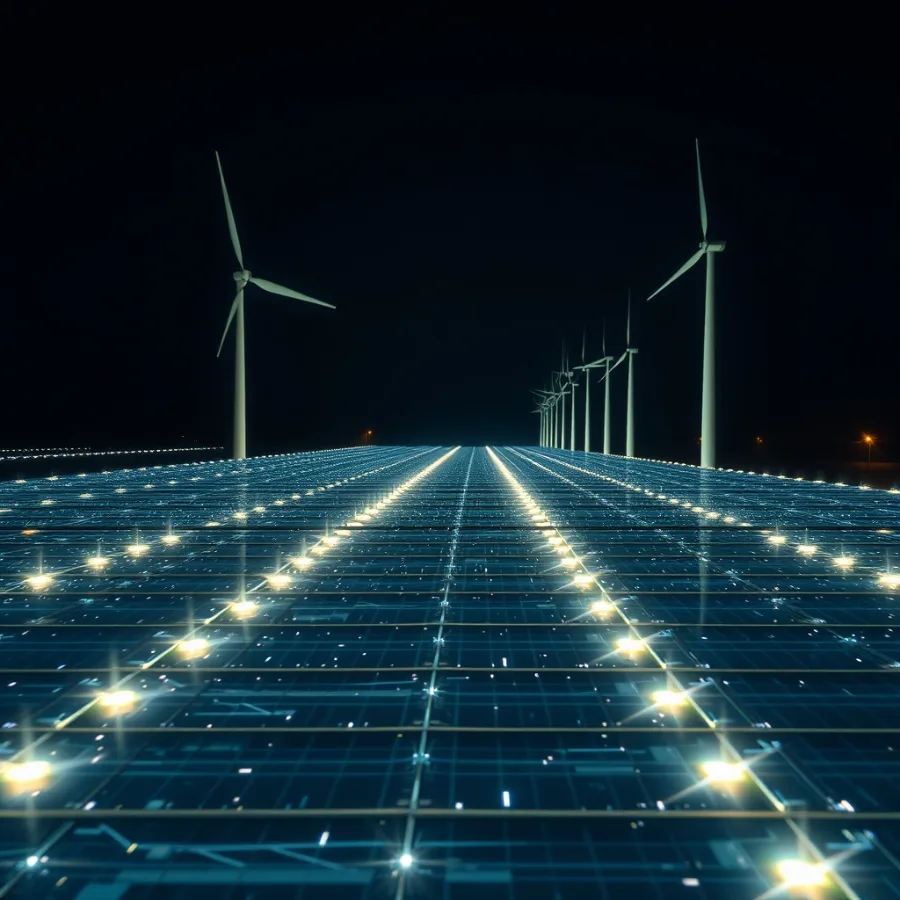
Furthermore, the integration of renewable energy sources such as solar and wind power into the charging infrastructure of these vehicles is reducing their carbon footprint even further, making them a truly sustainable option for freight transit.
Market and Industry Context
The transition towards electric freight vehicles is not only driven by environmental concerns but also by the need to reduce operational costs and comply with stringent emission regulations. Companies in the logistics and transportation sector are increasingly investing in electric fleets to stay ahead of the curve and meet the growing demand for eco-friendly transportation solutions.
- Increased adoption of electric trucks and vans
- Rising investments in charging infrastructure
- Shift towards sustainable logistics practices
Technical Explanation
The key components of electric freight vehicles include high-capacity batteries, powerful electric motors, regenerative braking systems, and advanced energy management systems. These technologies work together to optimize the performance and efficiency of the vehicles, making them suitable for a wide range of freight transport applications.
- Battery technology advancements
- Regenerative braking for energy recovery
- Smart energy management systems
Regional GEO Analysis
Different regions around the world are embracing electric freight transit at varying paces. While countries like the USA and Europe are leading the way in adoption and infrastructure development, emerging markets in Asia and Africa are also showing significant potential for growth in the electric freight sector.
- USA: Incentives driving adoption
- Europe: Stringent emission regulations
- China: Rapid expansion of EV market
Investor and Commercial Perspective
Investors are increasingly focusing on companies that are at the forefront of electric freight transit innovation. The commercial sector is also recognizing the long-term benefits of transitioning to electric vehicles, including reduced operating costs, enhanced brand image, and compliance with sustainability goals.
- Investment opportunities in EV technology
- Cost-saving benefits for commercial operators
- Brand sustainability and corporate social responsibility
Installation or Deployment Challenges
Despite the many advantages of electric freight vehicles, there are still challenges that need to be addressed. These include the high upfront costs of electric vehicles, limited charging infrastructure in some regions, and concerns about range anxiety and vehicle downtime during charging.
- Initial investment barriers
- Charging infrastructure limitations
- Range anxiety and operational challenges
Future Predictions
The future of freight transit is undoubtedly electric, with a growing emphasis on clean energy solutions and sustainable transportation practices. As technology continues to evolve and become more affordable, electric freight vehicles are expected to become the norm rather than the exception in the logistics industry.
- Widespread adoption of electric freight vehicles
- Integration of renewable energy sources
- Shift towards zero-emission logistics
Detailed Comparison Table
| Category | Details | Impact |
| Electric Vehicles | High-capacity batteries, regenerative braking | Reduced emissions, lower operational costs |
| Charging Infrastructure | Solar and wind power integration | Enhanced sustainability, energy efficiency |
| Market Adoption | USA, Europe, China, Middle East, India | Global shift towards electric freight transit |
Related Topics
Explore more about electric truck technology and its impact on freight transit.
Learn about the benefits of solar-powered charging stations for electric vehicles.
Discover how renewable energy integration is shaping the future of freight transit.
External Resources
For more in-depth information, visit the following trusted sources:
National Renewable Energy Laboratory (NREL)
International Energy Agency (IEA)
Related guides: Autonomous Freight Future, Future of Urban Transit and Green Freight.
Frequently Asked Questions
How are electric freight vehicles different from traditional diesel trucks?
Electric freight vehicles run on battery power and produce zero emissions, unlike diesel trucks that rely on internal combustion engines.
What are the main challenges in transitioning to electric freight transit?
Some of the main challenges include high upfront costs, limited charging infrastructure, and concerns about range and charging times.
How can renewable energy sources be integrated into the charging infrastructure of electric freight vehicles?
Solar and wind power can be used to generate electricity for charging stations, reducing the environmental impact of charging operations.
What role do investors play in the transition to electric freight vehicles?
Investors provide crucial funding for research and development, infrastructure development, and fleet electrification initiatives in the logistics sector.
What are the key benefits of electric freight transit for commercial operators?
Commercial operators can benefit from reduced operating costs, enhanced brand image, and compliance with sustainability goals by transitioning to electric freight vehicles.
Final Industry Outlook
The future of freight transit is bright, with electric vehicles and clean energy technologies leading the way towards a more sustainable and efficient transportation system. By embracing innovation and investing in eco-friendly solutions, the logistics industry is paving the way for a greener future.
Sources and Further Reading
Related Posts


Leave a Comment
Your comment will be published after it has been approved. Please send comments that do not contain slang words.