
Sustainable Logistics: 5 Proven Ways to Cut Supply Chain Emissions
Updated September 2, 2026 · 2 min read
Sustainable logistics means moving goods from factory to shelf while cutting the carbon, energy, and waste footprint of that journey — covering everything from how trucks and ships are fueled to how warehouses are powered and how the “last mile” to a customer’s door gets done. Transportation and logistics account for roughly a fifth of global CO2 emissions, so the sector’s choices matter well beyond any single company’s supply chain.
- Transport mode matters enormously — rail and ocean freight emit a fraction of what air freight does per ton-mile.
- Last-mile delivery is disproportionately carbon-intensive per package, making EV vans and e-cargo bikes high-leverage fixes.
- Warehouse electrification (solar, electrified forklifts, heat pumps) is a lower-profile but meaningful lever.
- Scope 3 emissions reporting is pushing large retailers to demand supply-chain transparency from every logistics partner.
What sustainable logistics actually covers
Sustainable logistics spans the full physical supply chain: mode selection (truck, rail, ship, air), fuel and vehicle choice within each mode, warehouse and distribution-center energy use, packaging, and the increasingly scrutinized last mile to the end customer. Because each stage has its own emissions profile, the highest-leverage fixes differ depending on where a company’s goods spend the most transit time and distance.
Transport mode emissions compared
| Mode | Relative CO2 per ton-km | Best for |
|---|---|---|
| Ocean freight | Lowest | Long-distance bulk, non-urgent cargo |
| Rail freight | Very low | Long-distance overland bulk |
| Truck freight | Moderate | Regional/last-leg distribution |
| Air freight | Highest (often 10x+ truck) | Time-critical, high-value goods only |
Last-mile delivery innovation
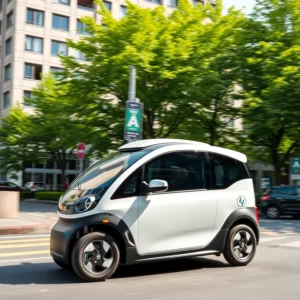
The final leg to a customer’s door is often the least efficient part of the whole journey — one van, part-full, stopping dozens of times. Electric delivery vans, e-cargo bikes for dense urban cores, and micro-fulfillment centers placed closer to customers (cutting total delivery distance) are the three innovations doing the most to shrink this footprint today, alongside route-optimization software that reduces empty miles and repeat-attempt deliveries.
Warehouse and distribution center sustainability
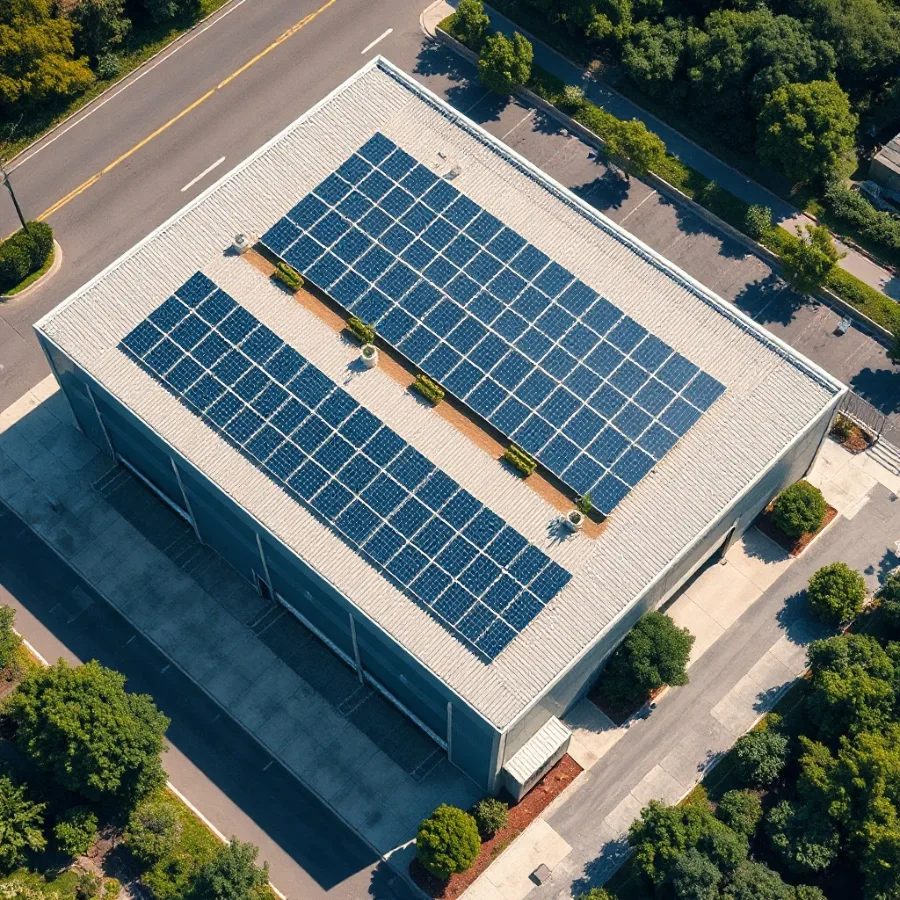
Warehouses are increasingly adding rooftop solar (a natural fit given their large flat roof area), switching from propane or diesel forklifts to electric ones, and installing heat pumps and better insulation to cut heating and cooling loads. None of these grab headlines the way electric trucks do, but they’re a real and growing share of a logistics network’s total footprint, especially for e-commerce operators running large fulfillment centers around the clock.
Why Scope 3 reporting is changing supplier relationships
As large retailers and manufacturers face growing pressure to report Scope 3 emissions (everything in their value chain, including outbound logistics), they’re increasingly requiring carbon data — and improvement plans — from their logistics and freight partners. This is shifting sustainable logistics from a nice-to-have differentiator into a contractual requirement for winning and keeping large accounts.
Sources and Further Reading
Ocean freight deserves its own deep dive — see how cargo ships are cutting carbon emissions specifically.
Rail deserves its own look too \u2014 see how high speed rail emissions compare to flying and driving.
Individual trips add up too \u2014 see the real story on ride sharing carbon emissions.
autonomous freight is worth a closer look for the full picture.
heavy duty electric trucks is worth a closer look for the full picture.
plastic alternatives in manufacturing is worth a closer look for the full picture.
What is sustainable logistics?
Sustainable logistics is the practice of moving goods through the supply chain while minimizing carbon emissions, energy use, and waste — spanning transport mode choice, fuel type, warehouse operations, packaging, and last-mile delivery.
Which freight mode has the lowest carbon footprint?
Ocean freight and rail freight have the lowest CO2 emissions per ton-mile of cargo moved. Air freight has by far the highest footprint, often ten times or more than truck freight for the same distance and weight.
Why is last-mile delivery so carbon-intensive?
Last-mile delivery involves many stops with a partially full vehicle, low average speeds, and frequent idling — making it disproportionately carbon-intensive per package compared to the long-haul legs of a shipment’s journey.
Do warehouses contribute meaningfully to logistics emissions?
Yes, through electricity and fuel use for lighting, heating, cooling, and material-handling equipment like forklifts. Rooftop solar, electrified forklifts, and better building envelopes are common efficiency upgrades.
What is Scope 3 emissions reporting and why does it matter for logistics?
Scope 3 covers a company’s indirect value-chain emissions, including outbound logistics. As more retailers report Scope 3 data, they increasingly require carbon transparency and improvement plans from their freight and logistics partners.
Are electric delivery vans actually common now?
Electric delivery vans have moved from pilot programs to meaningful fleet deployment at several major carriers and retailers, particularly for urban and suburban last-mile routes where daily mileage fits comfortably within current EV van range.
Related Posts

Leave a Comment
Your comment will be published after it has been approved. Please send comments that do not contain slang words.