
Freight Carbon Footprint
Updated September 2, 2026 · 4 min read
Table of Contents
- Carbon Emissions Measurement
- Impact of Diesel vs. Electric Emissions
- Smart Traffic Systems
- Urban Mobility Trends
- Regional Comparison
- Frequently Asked Questions
Carbon Emissions Measurement
Measuring the carbon footprint of freight transportation involves calculating the amount of greenhouse gases, such as carbon dioxide (CO2), emitted during the movement of goods. Emissions are typically measured in grams per kilometer and take into account factors like fuel efficiency, vehicle type, and cargo weight. Organizations like the EPA provide guidelines and tools for measuring and reporting emissions accurately.
- Factors influencing carbon emissions in freight transport include vehicle age, fuel type, and driving conditions.
- Efforts to reduce emissions focus on improving fuel efficiency, adopting alternative fuels, and optimizing transportation routes.
- Lifecycle emissions considerations involve not only tailpipe emissions but also emissions from fuel production and transportation infrastructure.
- Technological advancements like electric vehicles and hybrid engines play a key role in reducing the carbon footprint of freight transportation.
Impact of Diesel vs. Electric Emissions
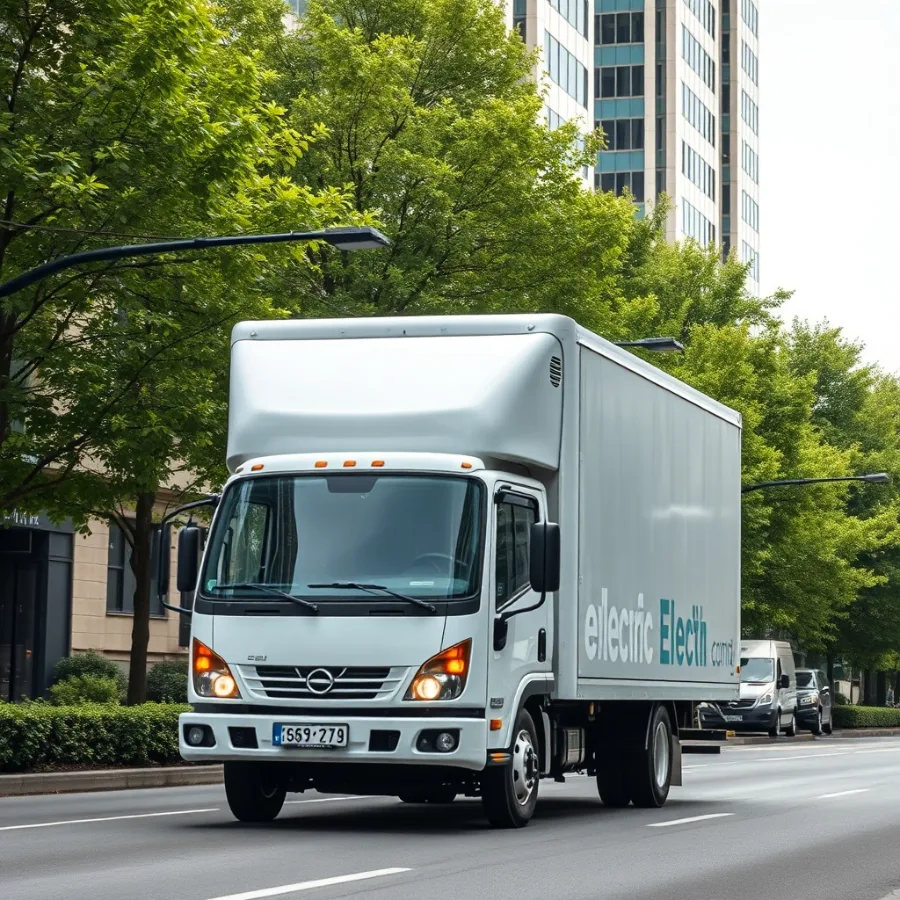
The choice between diesel and electric vehicles in freight transportation significantly impacts carbon emissions. Diesel engines are known for higher emissions of pollutants like nitrogen oxides and particulate matter, contributing to air pollution. On the other hand, electric vehicles produce zero tailpipe emissions, making them a cleaner alternative.
- Diesel vehicles have a higher carbon intensity compared to electric vehicles, resulting in greater greenhouse gas emissions per kilometer traveled.
- Electric vehicles are more energy-efficient and can be powered by renewable energy sources, further reducing their environmental impact.
- The transition from diesel to electric freight vehicles is essential for achieving carbon neutrality in the transportation sector.
- Government incentives and regulations can encourage the adoption of electric vehicles and support the reduction of freight carbon emissions.
Smart Traffic Systems
Smart traffic systems utilize technology and data to optimize traffic flow, reduce congestion, and improve the efficiency of freight transportation. These systems play a vital role in minimizing carbon emissions by enhancing route planning, reducing idling time, and promoting eco-friendly driving practices.
- Real-time traffic monitoring allows for dynamic route adjustments to avoid traffic jams and reduce emissions from vehicle congestion.
- Advanced telematics systems provide valuable insights into vehicle performance, fuel consumption, and emissions, enabling informed decision-making.
- Integration of smart traffic systems with logistics operations enhances supply chain efficiency and sustainability.
- Collaboration between transportation authorities, technology providers, and logistics companies is key to implementing effective smart traffic solutions.
Urban Mobility Trends
The rise of urbanization and e-commerce has led to shifts in freight transportation patterns, influencing the carbon footprint of logistics operations in urban areas. Sustainable urban mobility trends focus on reducing emissions, improving air quality, and promoting environmentally friendly transportation solutions.
- Last-mile delivery strategies, such as electric cargo bikes and drones, offer low-emission alternatives to traditional delivery vehicles in congested urban areas.
- Consolidation of freight shipments through urban distribution centers helps optimize delivery routes and reduce the number of vehicles on the road, lowering overall emissions.
- Collaborative freight initiatives, shared logistics hubs, and micro-consolidation centers contribute to sustainable urban freight practices and emission reductions.
- Urban planning policies that prioritize walking, cycling, and public transport over private car use play a significant role in reducing carbon emissions from urban freight transportation.
Regional Comparison
- US: The United States is a major consumer and producer of goods, leading to high freight transportation emissions. Efforts are underway to promote cleaner technologies and improve the efficiency of freight logistics.
- EU: The European Union has stringent regulations on emissions and sustainability, driving the adoption of electric vehicles and sustainable freight practices.
- China: China faces challenges with air pollution and emissions from freight transport, prompting investments in electric vehicles and smart traffic management systems.
- India: India is experiencing rapid urbanization and growth in e-commerce, leading to an increased focus on sustainable urban mobility solutions and emissions reduction in freight transportation.
Related guides: Public Transport Carbon Footprint, Commuting Carbon Footprint and Car Carbon Footprint Calculator.
Frequently Asked Questions
How can electric vehicles reduce the carbon footprint of freight transportation?
Electric vehicles produce zero tailpipe emissions, reducing the overall carbon footprint of freight transportation and promoting sustainability.
What role do government regulations play in reducing freight carbon emissions?
Government regulations can incentivize the adoption of cleaner technologies, impose emission standards, and promote sustainable practices in the freight transportation sector, contributing to emissions reduction.
Why is it important to measure the carbon footprint of freight transportation?
Measuring the carbon footprint helps identify areas for improvement, track progress towards emissions reduction goals, and make informed decisions to mitigate the environmental impact of freight transportation.
How do smart traffic systems contribute to reducing carbon emissions in freight transport?
Smart traffic systems optimize route planning, reduce congestion, and minimize idling time, leading to lower fuel consumption and emissions in freight transportation operations.
TAGS: freight carbon footprint, emissions, transportation, logistics, sustainability, urban mobility
Related Posts
1 Comment
Reduced my carbon footprint with their freight services. Great info on emissions & sustainability. Made me more conscious of my impact.
Leave a Comment
Your comment will be published after it has been approved. Please send comments that do not contain slang words.