
Carbon Footprint Of Electric Vehicles
Updated September 2, 2026 · 3 min read
Table of Contents
- Introduction
- How Electric Vehicles Reduce Carbon Footprint
- Measuring Carbon Footprint
- Lifecycle Analysis of Electric Vehicles
- Regional Comparison
- Future Trends in Urban Mobility
- Frequently Asked Questions
Introduction
Electric vehicles (EVs) are gaining popularity as a cleaner alternative to traditional internal combustion engine vehicles. By running on electricity rather than gasoline or diesel, EVs produce lower emissions and contribute to reducing the overall carbon footprint of transportation.
However, to fully understand the environmental benefits of EVs, it is essential to delve into the specifics of how they reduce carbon footprint compared to conventional vehicles.
How Electric Vehicles Reduce Carbon Footprint
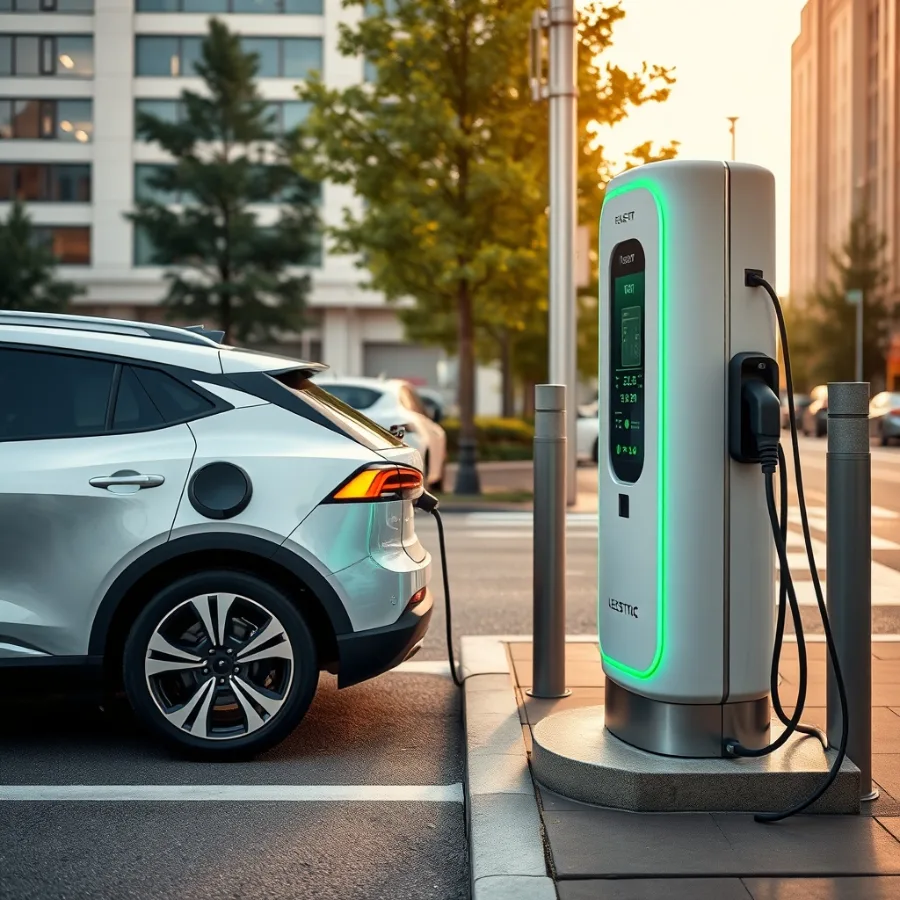
Electric vehicles reduce carbon footprint primarily through their mode of operation. Unlike gasoline-powered cars that burn fossil fuels directly, EVs use electricity from the grid, which can be sourced from renewable energy. This shift to cleaner energy sources significantly reduces the carbon emissions associated with transportation.
- Electric vehicles produce zero tailpipe emissions, minimizing air pollution in urban areas.
- Charging an EV with renewable energy sources such as solar or wind power further reduces its carbon footprint.
- Regenerative braking in EVs captures energy that would otherwise be wasted, increasing energy efficiency.
- Advanced battery technologies in EVs enable longer driving ranges, promoting their adoption as a viable alternative to traditional vehicles.
For more information on the emissions comparison between diesel and electric vehicles, visit ZeroCarbonDrive.
Measuring Carbon Footprint
The carbon footprint of vehicles is typically measured in grams of CO2 equivalent emitted per kilometer traveled (gCO2e/km). This metric accounts for all greenhouse gas emissions produced during the vehicle’s operation, including emissions from electricity generation for electric vehicles.
To accurately assess the carbon intensity of EVs, a well-to-wheel approach is used, considering emissions from electricity production, distribution, and vehicle operation. This method provides a comprehensive view of the environmental impact of electric transportation.
For more insights on car CO2 emissions and related topics, visit ZeroCarbonDrive.
Lifecycle Analysis of Electric Vehicles
Understanding the lifecycle emissions of electric vehicles involves analyzing the environmental impact from manufacturing to disposal. While EVs produce zero tailpipe emissions during operation, their overall carbon footprint includes emissions from battery production, charging infrastructure, and end-of-life disposal.
| Lifecycle Stage | Carbon Footprint Impact | Mitigation Strategies |
|---|---|---|
| Manufacturing | High carbon emissions due to battery production | Shift to renewable energy in manufacturing processes |
| Operation | Low carbon emissions during vehicle use | Promote renewable energy sources for charging |
| End-of-Life | Challenges in recycling batteries | Develop efficient battery recycling and reuse programs |
Regional Comparison
- US: The United States is witnessing a rapid increase in electric vehicle adoption, supported by government incentives and infrastructure development.
- EU: The European Union has set ambitious targets for reducing carbon emissions from transportation, driving the growth of electric vehicle sales.
- China: China leads the global electric vehicle market, with strong policies promoting EV adoption and investment in charging infrastructure.
- India: India is exploring opportunities to increase electric vehicle usage to address air pollution and reduce dependence on fossil fuels.
For more information on urban mobility trends and sustainable transportation, visit ZeroCarbonDrive.
Future Trends in Urban Mobility
The future of urban mobility is closely tied to the adoption of sustainable transportation solutions like electric vehicles. As cities aim to reduce traffic congestion and emissions, innovative technologies such as smart traffic systems play a crucial role in shaping the future of transportation.
Related guides: The Role of Electric Vehicles in Reducing Urban Carbon Footprints, electric car carbon footprint and The Role of Electric Vehicles in Net-Zero Strategies.
Frequently Asked Questions
How do electric vehicles contribute to reducing carbon footprint?
Electric vehicles reduce carbon footprint by operating on electricity, which can be sourced from renewable energy, leading to lower emissions compared to traditional vehicles.
Are electric vehicles truly environmentally friendly?
Electric vehicles offer a cleaner alternative to conventional vehicles, but their overall environmental impact depends on factors such as electricity sources and battery disposal practices.
What are the key factors influencing the carbon footprint of electric vehicles?
The carbon footprint of electric vehicles is influenced by factors such as energy sources for electricity generation, battery production methods, and end-of-life recycling processes.
How can consumers contribute to reducing the carbon footprint of electric vehicles?
Consumers can reduce the carbon footprint of electric vehicles by opting for renewable energy sources for charging, practicing efficient driving habits, and supporting initiatives for battery recycling and reuse.
TAGS: electric vehicles, carbon footprint, emissions reduction, sustainable transportation, renewable energy, urban mobility
Sources and Further Reading
Related Posts

1 Comment
Impressed by how electric vehicles reduce carbon footprint. Great read!
Leave a Comment
Your comment will be published after it has been approved. Please send comments that do not contain slang words.