
eVTOL Aircraft Explained
Updated September 2, 2026 · 3 min read
Table of Contents
- How eVTOL Aircraft Work
- Benefits of eVTOL Aircraft
- Challenges in eVTOL Development
- Regulatory Landscape for eVTOLs
- Comparing eVTOLs to Traditional Aircraft
- Future Trends in Urban Air Mobility
- Environmental Impact of eVTOLs
- Frequently Asked Questions
How eVTOL Aircraft Work
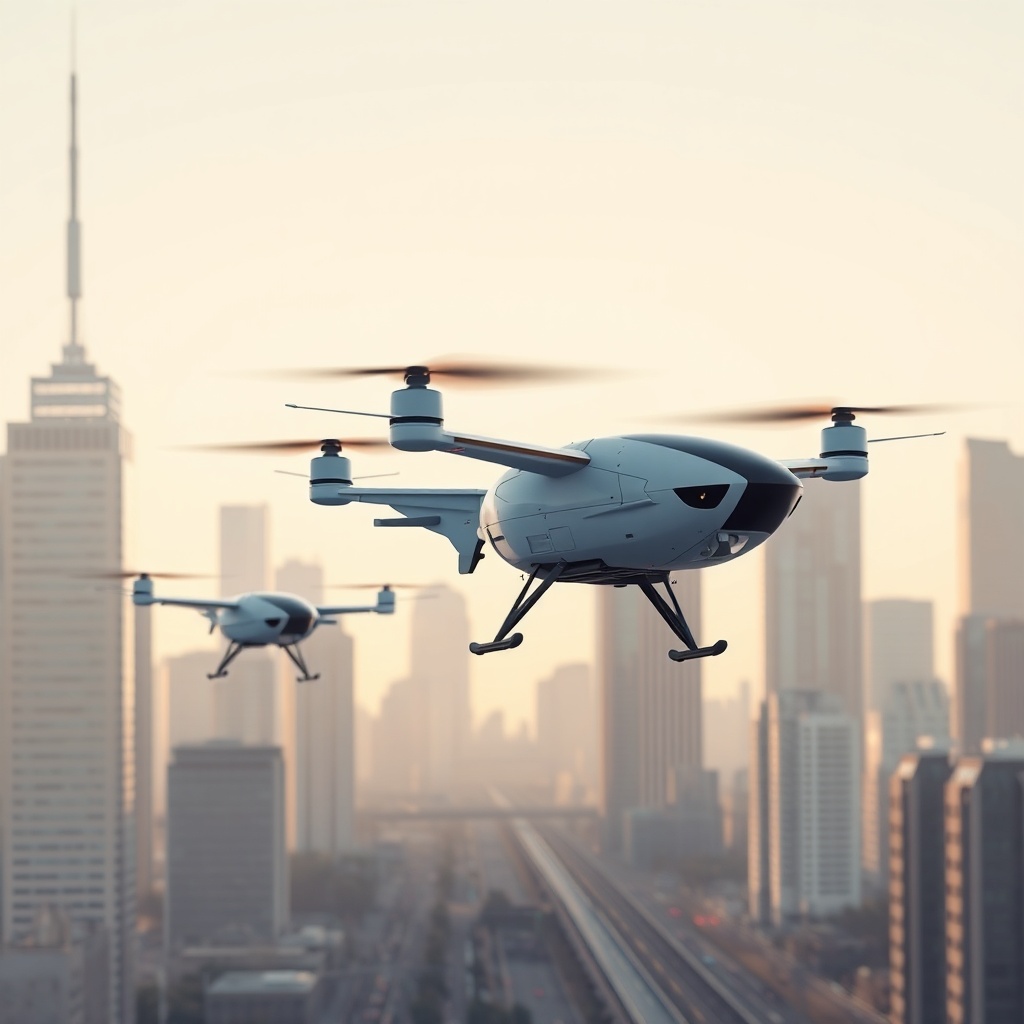
eVTOL aircraft rely on multiple electric motors for vertical takeoff and landing, transitioning to forward flight once airborne. The distributed propulsion system enhances efficiency and reduces noise levels compared to traditional helicopters. These aircraft can be piloted or operate autonomously, offering versatility in urban environments.
- https://zerocarbondrive.com/diesel-vs-electric-emissions/ – Learn more about electric propulsion systems.
Benefits of eVTOL Aircraft
The advantages of eVTOL aircraft include lower operational costs, reduced emissions, and increased flexibility in transportation networks. By utilizing electric power, these vehicles contribute to cleaner air quality and quieter urban environments. Additionally, eVTOLs have the potential to alleviate traffic congestion in densely populated areas.
Challenges in eVTOL Development
Despite their promise, eVTOL aircraft face obstacles such as battery limitations, infrastructure requirements, and regulatory hurdles. Overcoming these challenges will be crucial for the widespread adoption of electric aviation technology and the integration of eVTOLs into existing airspace systems.
Regulatory Landscape for eVTOLs
The regulatory framework for eVTOL operations is evolving to address safety, airspace management, and certification standards. Collaboration between industry stakeholders, government agencies, and aviation authorities is essential to ensure the safe and efficient integration of eVTOL aircraft into urban airspace.
Comparing eVTOLs to Traditional Aircraft
eVTOL aircraft offer unique advantages over traditional fixed-wing aircraft and helicopters, including vertical takeoff capabilities, reduced noise pollution, and lower operating costs. The versatility of eVTOLs makes them well-suited for short-distance urban flights and on-demand transportation services.
Future Trends in Urban Air Mobility
The future of urban air mobility is closely tied to the development of eVTOL technology. As infrastructure advances and regulatory frameworks mature, we can expect to see increased integration of eVTOLs into urban transportation networks, transforming the way people and goods move within cities.
Environmental Impact of eVTOLs
eVTOL aircraft have the potential to significantly reduce carbon emissions and noise pollution in urban areas compared to traditional aviation. By transitioning to electric propulsion systems and sustainable energy sources, eVTOLs offer a cleaner and quieter alternative for urban transportation.
Related guides: Electric Helicopters and eVTOL Aircraft Explained, Will Tesla Partner with eVTOL Startups or Build Their Own Aircraft? and eVTOL Air Taxis Explained.
Frequently Asked Questions
Are eVTOL aircraft already in operation?
Several companies are actively developing eVTOL prototypes, with plans for commercial operations in the near future. The technology is advancing rapidly, with test flights and demonstrations showcasing the potential of electric vertical takeoff and landing aircraft.
What is the range of eVTOL aircraft?
The range of eVTOLs varies depending on the specific design and battery capacity. Most models are optimized for short-distance flights within urban areas, offering efficient transportation solutions for congested city centers.
How do eVTOLs contribute to sustainability?
eVTOLs help reduce greenhouse gas emissions and reliance on fossil fuels by using electric propulsion systems. By incorporating renewable energy sources and energy-efficient technologies, eVTOL aircraft play a vital role in promoting sustainable transportation options.
What are the main challenges facing eVTOL development?
Key challenges for eVTOL development include battery technology limitations, infrastructure readiness, airspace integration, and regulatory compliance. Addressing these issues requires collaboration among industry stakeholders, policymakers, and aviation experts to ensure the safe and efficient deployment of eVTOL aircraft.
TAGS: eVTOL aircraft, electric aviation, urban air mobility, sustainable transportation, future of flight
Sources and Further Reading
Related Posts


Leave a Comment
Your comment will be published after it has been approved. Please send comments that do not contain slang words.