
Electric vs hydrogen aircraft
Updated September 1, 2026 · 2 min read
Electric vs Hydrogen Aircraft
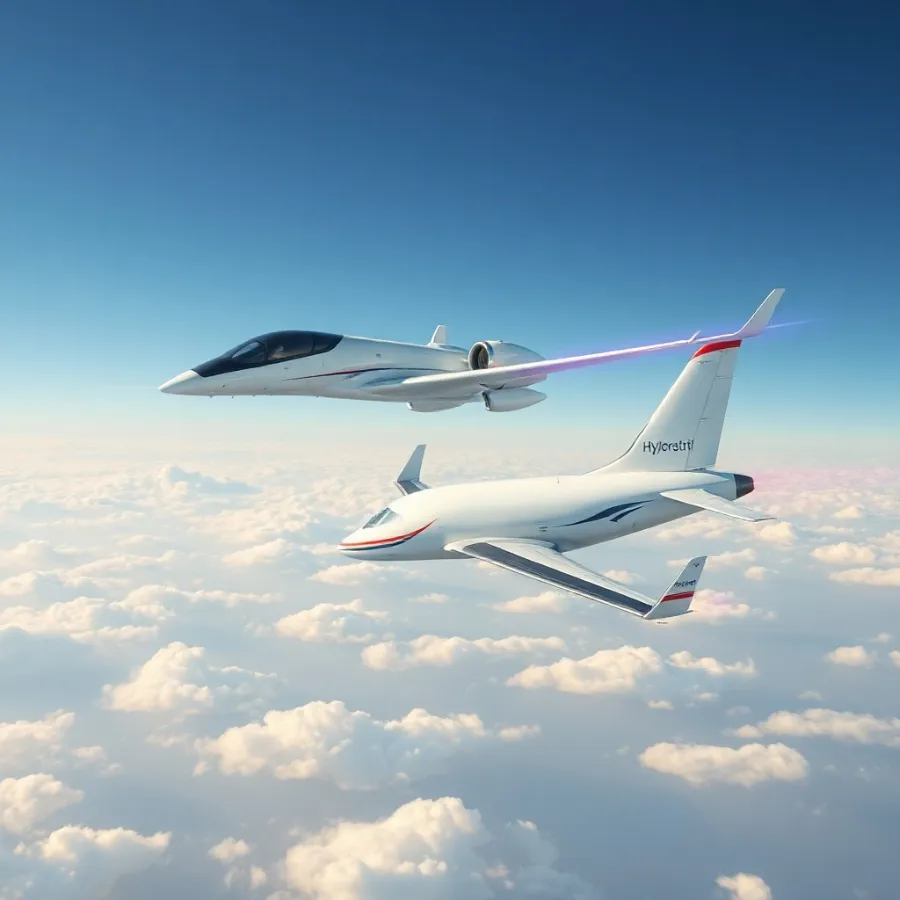
Electric and hydrogen-powered aircraft are two innovative technologies that are changing the aviation industry. Let’s explore the differences between these two types of aircraft in a side-by-side comparison.
Efficiency
Electric aircraft are known for their high efficiency, utilizing electric motors powered by batteries to generate thrust. On the other hand, hydrogen aircraft use fuel cells to convert hydrogen into electricity, providing an alternative power source.
Environmental Impact
Both electric and hydrogen aircraft are environmentally friendly options compared to traditional fossil fuel-powered planes. Electric planes produce zero emissions during flight, while hydrogen planes emit only water vapor.
Range
One of the limitations of electric aircraft is their range due to battery capacity. On the contrary, hydrogen aircraft have longer ranges as hydrogen fuel cells can store more energy compared to batteries.
Refueling Infrastructure
Currently, the infrastructure for refueling hydrogen-powered aircraft is less developed compared to electric aircraft charging stations. This could be a factor in the widespread adoption of hydrogen planes.
Cost
Electric aircraft are generally more cost-effective to operate due to lower maintenance and energy costs. However, the initial investment for hydrogen aircraft may be higher, but operational costs could decrease over time.
Noise Levels
Electric aircraft are quieter than traditional planes, offering a quieter flying experience for passengers and reducing noise pollution in communities. Hydrogen aircraft also have lower noise levels compared to conventional aircraft.
Speed
In terms of speed, both electric and hydrogen aircraft have the potential to reach similar speeds as traditional planes. The advancement of technology in both sectors may lead to faster and more efficient aircraft in the future.
Safety
Safety is a crucial aspect of aviation, and both electric and hydrogen aircraft undergo rigorous testing to ensure they meet safety standards. As these technologies continue to evolve, safety measures will also improve.
Future Prospects
The future of aviation is moving towards sustainable and eco-friendly solutions, making electric and hydrogen aircraft promising options for the industry. Continued research and development will drive innovation in this field.
Market Adoption
While electric aircraft have seen more widespread adoption and development, hydrogen aircraft are gaining traction as a viable alternative. The market for both types of aircraft is expected to grow in the coming years.
Related guides: How AI Is Optimizing Efficiency for Both Electric and Hydrogen Aircraft, Electric Planes vs Hydrogen Aircraft: Which Zero-Emission Tech Will Win the Skies?, How Do Electric Aircraft Motors Compare to Hydrogen Fuel Cells?
Sources and Further Reading
Related Posts

Leave a Comment
Your comment will be published after it has been approved. Please send comments that do not contain slang words.