
fast charging vs slow charging ev
Updated September 2, 2026 · 3 min read
Charging Speed and Battery Health
One of the key considerations when comparing fast charging versus slow charging is the impact on battery health. Fast charging, especially at high power levels, can generate more heat and stress on the battery cells, potentially leading to faster degradation over time. On the other hand, slow charging at lower power levels is generally considered gentler on the battery, promoting longevity and overall performance.
Charging Infrastructure and Convenience
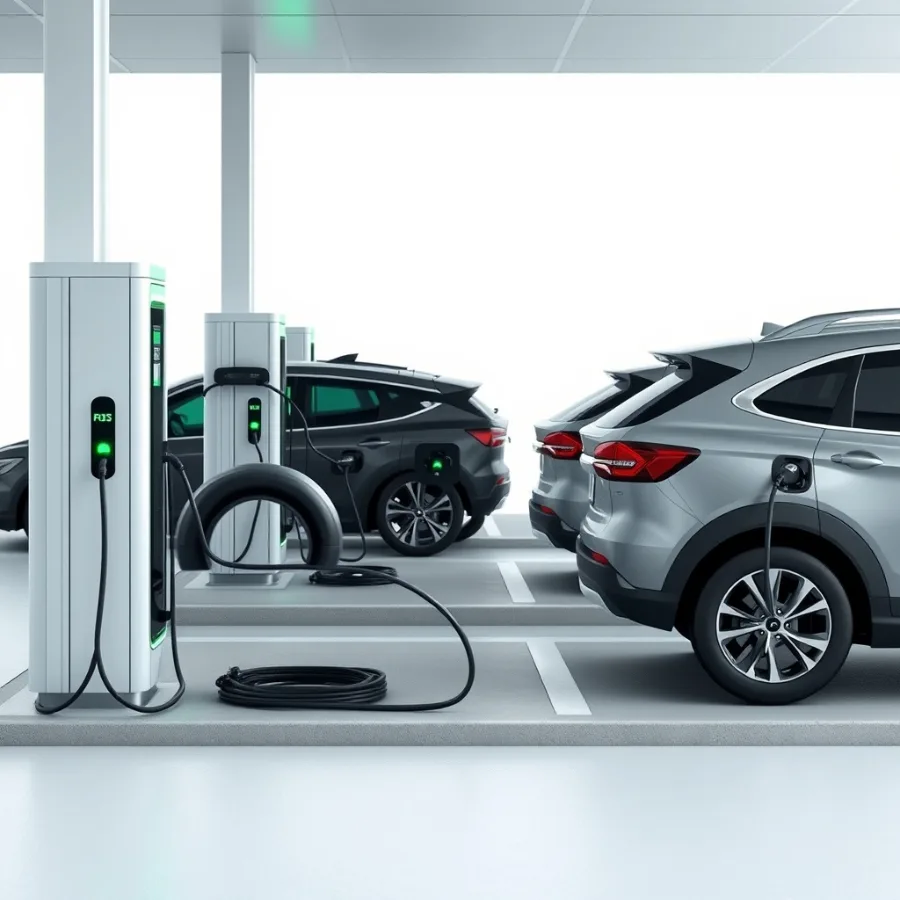
The availability of fast charging infrastructure is crucial for the widespread adoption of EVs, especially for long-distance travel. Fast chargers can replenish a significant portion of the battery capacity in a short amount of time, making them essential for reducing charging stops during road trips. In contrast, slow charging is more suitable for overnight charging at home or during extended parking periods, where the extended time is not a hindrance.
- Fast chargers are typically found along major highways and in urban areas, allowing EV drivers to quickly top up their battery levels.
- Slow chargers are commonly installed in residential areas, workplaces, and public parking spaces for convenient and cost-effective charging.
- Smart traffic systems play a crucial role in optimizing charging station locations and managing traffic flow to reduce congestion and emissions.
- Car manufacturers are increasingly investing in battery technology to improve charging efficiency and range, aiming to address consumer concerns about charging times and infrastructure.
Battery Technology and Charging Speed
The advancement of battery technology plays a significant role in determining the charging speed capabilities of EVs. High-energy-density batteries with advanced thermal management systems can support faster charging rates without compromising safety or longevity. Manufacturers are continuously working on developing new battery chemistries and charging protocols to enhance the charging experience for EV drivers.
| Charging Speed | Battery Technology | Impact on Range |
|---|---|---|
| Fast Charging | High-energy-density batteries | Rapid replenishment of battery capacity |
- US: The US has been investing in expanding fast charging networks, particularly along major highways and in urban centers, to support long-distance travel with EVs.
- EU: The EU has set ambitious targets for the deployment of charging infrastructure, including both fast and slow chargers, to promote EV adoption across member states.
- China: China leads the world in EV sales and has been actively developing a robust charging network, with a focus on fast charging stations in urban areas and along highways.
- India: India is in the early stages of EV adoption but has been rolling out charging infrastructure plans to support the transition, including incentives for fast charging installations.
Related guides: Fast Charging vs Slow Charging, Fast Charging vs Slow Charging: What EV Owners Should Know and Fast Charging Networks.
Frequently Asked Questions
Are fast chargers more expensive to use compared to slow chargers?
Fast chargers typically cost more per kilowatt-hour than slow chargers, but the convenience and time saved may outweigh the higher costs for some users.
Can fast charging damage the battery of an EV?
While fast charging can generate more heat and stress on the battery, modern EVs are equipped with sophisticated thermal management systems to mitigate potential damage and ensure battery longevity.
Is it better to use fast charging for daily commuting or slow charging overnight?
For daily commuting where short charging sessions are sufficient, fast chargers can be convenient. However, slow charging overnight is ideal for maintaining battery health over the long term.
Do slow chargers have any advantages over fast chargers?
Slow chargers are often more affordable to install and operate, making them a cost-effective solution for residential charging and locations where extended charging times are acceptable.
TAGS: fast charging, slow charging EV, electric vehicles, charging infrastructure, battery technology
Sources and Further Reading
Related Posts

1 Comment
Fast charging for road trips, slow for home - the perfect combo for my EV lifestyle! Great article, very informative.
Leave a Comment
Your comment will be published after it has been approved. Please send comments that do not contain slang words.