
Fast Charging vs Slow Charging: What EV Owners Should Know
Updated September 2, 2026 · 2 min read
Fast Charging vs Slow Charging: What EV Owners Should Know
When it comes to charging your electric vehicle (EV), understanding the differences between fast charging and slow charging is crucial. As an EV owner, knowing the benefits and limitations of each charging method can help you make informed decisions about how to charge your vehicle effectively.
Fast Charging The Quick Solution
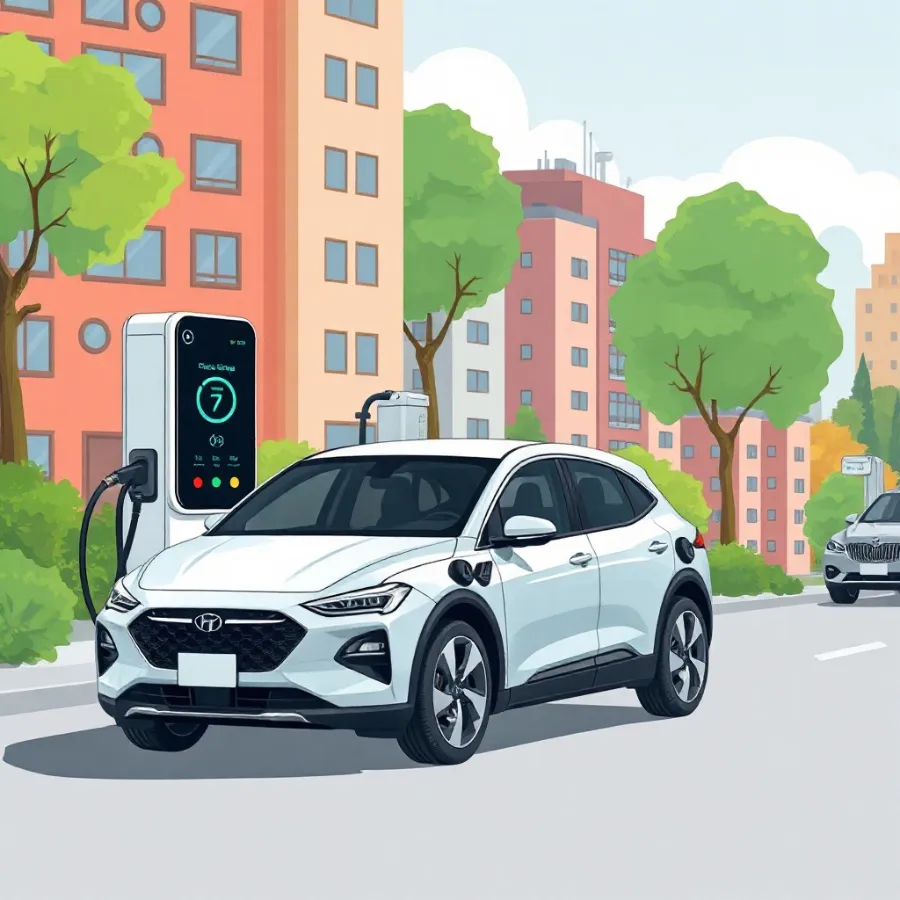
Fast charging is designed to quickly recharge your EV’s battery, providing a rapid solution for when you need to top up your charge on the go. With fast charging stations becoming more widespread, EV owners can conveniently access these chargers at various locations, including shopping centers, highways, and public parking lots.
One of the main advantages of fast charging is the ability to get a significant amount of charge in a short amount of time. This is especially useful for long-distance travel or when you’re in a hurry and need to quickly add some extra range to your battery.
Slow Charging The Steady Option
On the other hand, slow charging offers a more gradual way to replenish your EV’s battery. While it may take longer to fully charge your vehicle compared to fast charging, slow charging is often more energy-efficient and gentle on the battery.
Slow charging is ideal for overnight charging at home or when you have longer periods of time to let your vehicle charge. Many EV owners opt for slow charging as their primary method of charging, taking advantage of lower electricity rates during off-peak hours.
Factors to Consider
When deciding between fast charging and slow charging, there are several factors to consider. The battery capacity of your EV, your daily driving habits, and the availability of charging stations in your area all play a role in determining which charging method is best for you.
It’s essential to strike a balance between the convenience of fast charging and the sustainability of slow charging to ensure that you can effectively manage your EV’s battery life and optimize its performance in the long run.
Maintenance and Longevity
While fast charging may offer quick solutions, frequent use of this method can impact the long-term health of your EV’s battery. Slow charging, on the other hand, is known to be gentler on the battery and can contribute to its longevity over time.
By understanding the benefits and limitations of both fast charging and slow charging, EV owners can develop a charging strategy that meets their needs while maximizing the efficiency and lifespan of their vehicle’s battery.
Related guides: Fast Charging vs Slow Charging, fast charging vs slow charging ev, Future Carbon Regulations Businesses Should Know
Sources and Further Reading
Related Posts

Leave a Comment
Your comment will be published after it has been approved. Please send comments that do not contain slang words.