
Is carbon zero realistic for cities
Updated September 2, 2026 · 2 min read
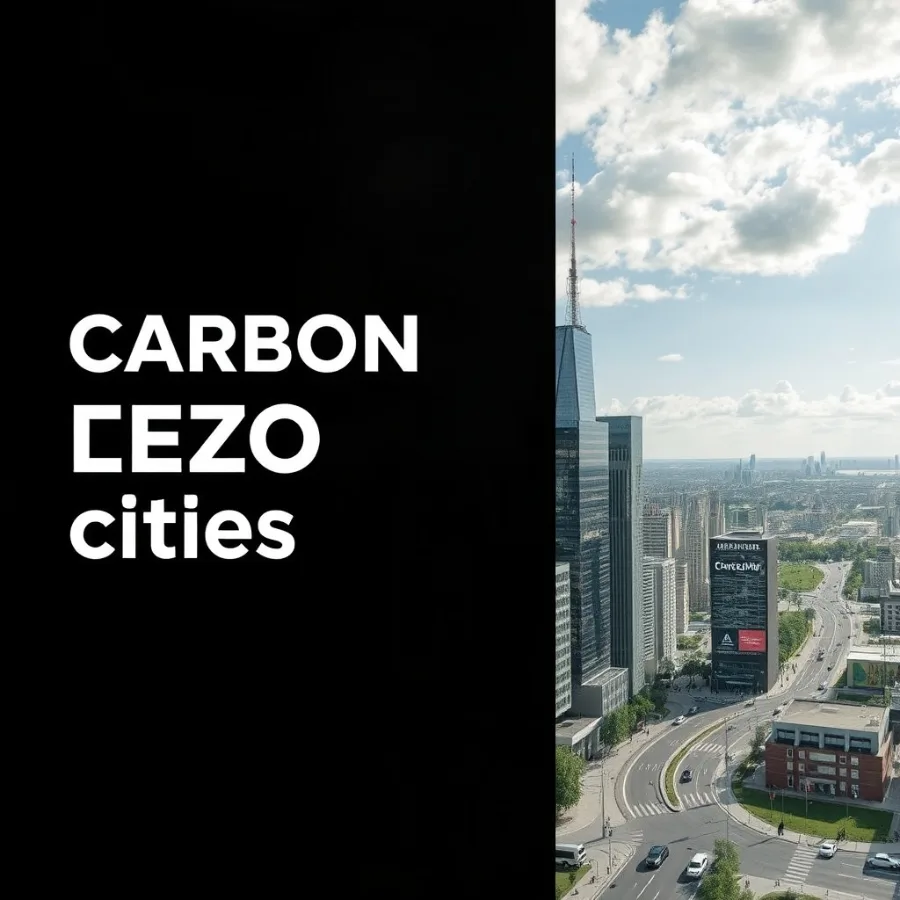
Cities around the world are facing increasing pressure to reduce their carbon footprint and transition towards more sustainable practices. The concept of achieving carbon zero, where a city’s net carbon emissions are reduced to zero, has gained momentum in recent years. But is this ambitious goal truly realistic for cities, considering the complex challenges they face in terms of infrastructure, transportation, and energy consumption?
The Challenges of Achieving Carbon Zero
Transitioning to carbon zero cities requires a comprehensive overhaul of existing infrastructure and systems. From retrofitting buildings to be more energy-efficient to promoting sustainable transportation options, the challenges are multifaceted. Additionally, the reliance on fossil fuels for energy generation poses a significant hurdle in achieving carbon neutrality. Cities need to invest in renewable energy sources and innovative technologies to meet their energy needs while reducing emissions.
The Role of City Planning in Carbon Neutrality
Effective city planning plays a crucial role in the journey towards carbon zero. Urban design that prioritizes walkability, green spaces, and public transportation can significantly reduce the carbon footprint of a city. Zoning regulations that encourage mixed land use and reduce urban sprawl can also contribute to sustainable development. By integrating climate considerations into urban planning processes, cities can create more resilient and environmentally friendly communities.
Overcoming Barriers to Sustainability
While the road to carbon zero cities may seem daunting, there are numerous success stories and best practices that cities can learn from. Collaborations between government, industry, and civil society are essential for driving sustainable initiatives forward. Financial incentives, regulatory frameworks, and public awareness campaigns are also critical in overcoming barriers to sustainability. By fostering a culture of innovation and collaboration, cities can accelerate their transition towards carbon neutrality.
In conclusion, while achieving carbon zero cities is a complex and challenging task, it is not impossible. With strategic planning, innovative solutions, and collective action, cities can pave the way towards a more sustainable future for generations to come.
Related guides: Smart Grid Role in Carbon Zero Cities, What Is Carbon Zero and How Does It Differ From Net Zero?, Carbon zero vs carbon neutral
Sources and Further Reading
Related Posts

Leave a Comment
Your comment will be published after it has been approved. Please send comments that do not contain slang words.