
Carbon Footprint Of Data Centers
Updated September 2, 2026 · 2 min read
Table of Contents
- Importance of Data Centers
- Measuring Carbon Footprint
- Impact Reduction Strategies
- Energy-Efficient Technologies
- Regional Comparison
- Frequently Asked Questions
Importance of Data Centers
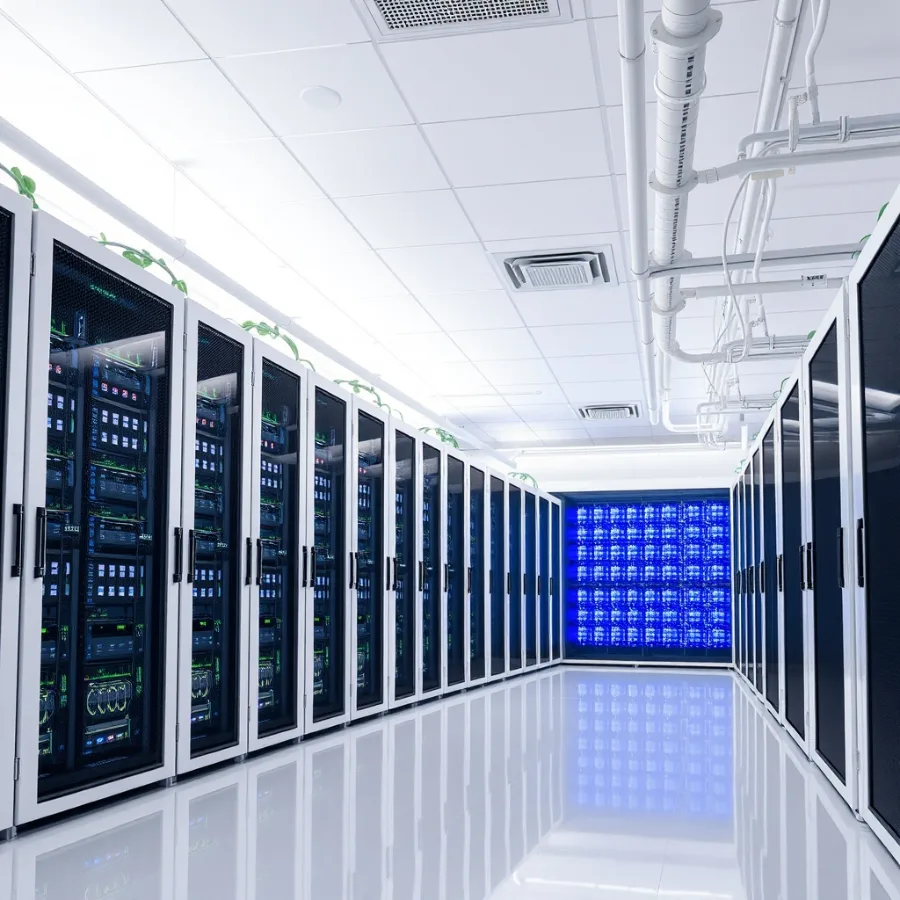
Data centers are the backbone of the digital infrastructure, enabling the storage, processing, and distribution of data for various online services. However, the operation of data centers requires a significant amount of energy, leading to a substantial carbon footprint. It is essential to assess and address this impact to move towards a more sustainable digital ecosystem.
Measuring Carbon Footprint
The carbon footprint of data centers is determined by the amount of greenhouse gas emissions produced during their operation. This includes emissions from electricity consumption, cooling systems, and infrastructure. Measuring the carbon footprint involves calculating the total amount of carbon dioxide equivalent (CO2e) emissions generated by the data center activities.
Impact Reduction Strategies
To reduce the carbon footprint of data centers, various strategies can be implemented. These include optimizing energy efficiency, utilizing renewable energy sources, implementing cooling technologies, and improving infrastructure design. By adopting these measures, data centers can significantly lower their environmental impact.
Energy-Efficient Technologies
Energy-efficient technologies play a crucial role in minimizing the carbon footprint of data centers. Innovations such as advanced power management systems, virtualization, and energy-efficient hardware can help optimize energy usage and reduce emissions. Implementing these technologies can lead to substantial improvements in the sustainability of data center operations.
Regional Comparison
- US: The United States has been focusing on enhancing energy efficiency and transitioning to renewable energy sources in data centers.
- EU: The European Union has implemented strict regulations and initiatives to promote sustainability in data center operations.
- China: China is investing in green technologies and increasing efficiency in data centers to reduce carbon emissions.
- India: India is exploring innovative solutions to improve energy efficiency and minimize the carbon footprint of data centers.
Related guides: Liquid Cooling Tech: How Next-Gen Data Centers Are Cutting Carbon Emissions by 50%, The Rise of Green Data Centers: Sustainable Solutions for the Future of Cloud Computing and Why Tech Giants Are Turning to Nuclear Energy to Power AI Data Centers in 2026.
Frequently Asked Questions
How can data centers reduce their carbon footprint?
Data centers can reduce their carbon footprint by implementing energy-efficient technologies, utilizing renewable energy sources, optimizing cooling systems, and improving infrastructure design.
What is the significance of measuring the carbon footprint of data centers?
Measuring the carbon footprint of data centers is crucial for understanding their environmental impact and developing strategies to minimize emissions, promote sustainability, and support a greener digital infrastructure.
Are there global efforts to address the environmental impact of data centers?
Yes, various organizations and initiatives are focused on promoting energy efficiency, sustainability, and reducing carbon emissions in data center operations on a global scale.
How do energy-efficient technologies contribute to reducing the carbon footprint of data centers?
Energy-efficient technologies help optimize energy usage, reduce emissions, and improve the overall sustainability of data center operations by enhancing efficiency and minimizing environmental impact.
TAGS: data centers, carbon emissions, energy efficiency, sustainability, green technology, carbon footprint
Sources and Further Reading
Related Posts


Leave a Comment
Your comment will be published after it has been approved. Please send comments that do not contain slang words.