
Aviation Emissions By Country
Updated September 18, 2026 · 3 min read
Table of Contents
- Introduction
- Measuring Aviation Emissions
- Impact of Aviation Emissions by Region
- Top Aviation Emitters Worldwide
- Regulations and Initiatives
- Case Studies
- Future Trends in Aviation Emissions
- Frequently Asked Questions
Introduction
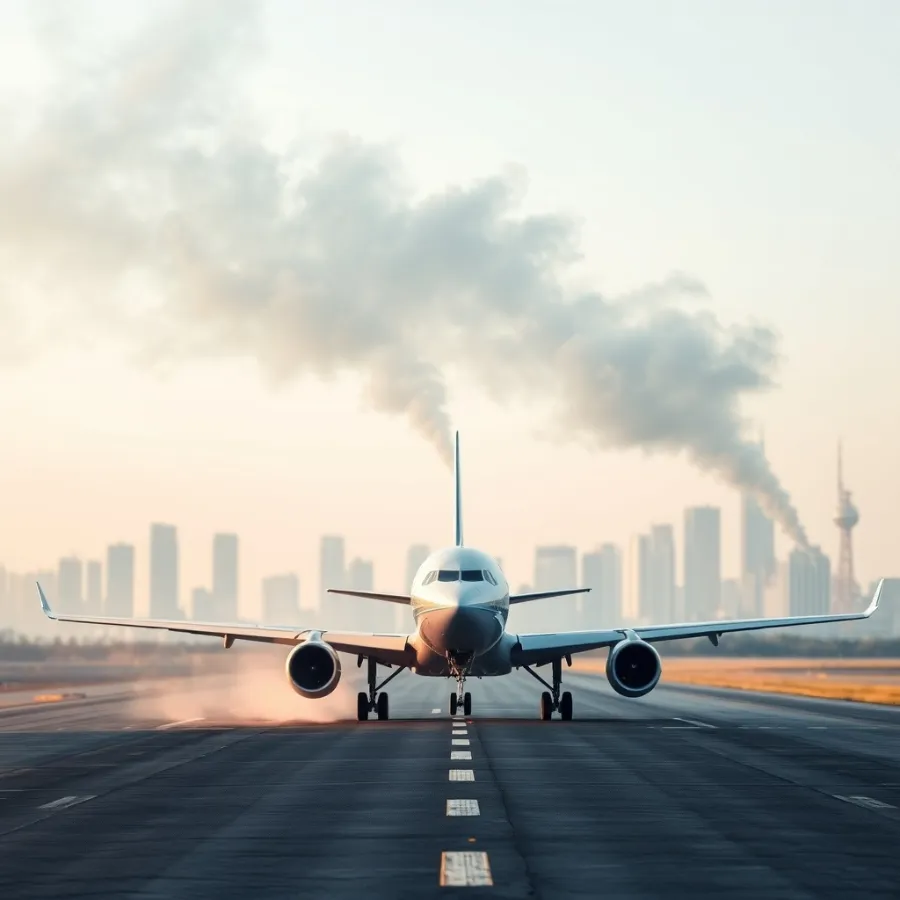
The aviation industry plays a significant role in global carbon emissions, contributing to the acceleration of climate change. Emissions from aircraft include carbon dioxide (CO2), nitrogen oxides (NOx), and water vapor, among others. These emissions have a direct impact on the environment, contributing to the greenhouse effect and global warming.
- Diesel vs. Electric Emissions
- Car CO2 Emissions
- Urban Mobility Trends
Measuring Aviation Emissions
Aviation emissions are typically measured in grams of CO2 per passenger-kilometer or ton-kilometer. This measurement allows for the comparison of emissions efficiency across different aircraft types and airlines. The carbon intensity of aviation fuel is a key factor in determining emissions levels, with newer aircraft and alternative fuels offering lower emissions profiles.
Impact of Aviation Emissions by Region
- US: The United States is one of the largest emitters of aviation emissions globally, with a high volume of domestic and international air travel.
- EU: The European Union has implemented various regulations to reduce aviation emissions, including the inclusion of aviation in the EU Emissions Trading System.
- China: China’s rapidly growing aviation sector is contributing to increasing emissions, prompting the government to explore sustainable aviation solutions.
- India: India’s aviation emissions are on the rise due to increased air travel demand, leading to a focus on fuel efficiency and emissions reduction technologies.
Top Aviation Emitters Worldwide
The top emitters of aviation emissions include countries with large aviation industries and high air travel demand. Understanding the emissions profiles of these countries is crucial for developing targeted mitigation strategies and promoting sustainable practices within the aviation sector.
Regulations and Initiatives
International organizations such as the International Civil Aviation Organization (ICAO) and the United Nations Framework Convention on Climate Change (UNFCCC) are working to establish global agreements and standards for reducing aviation emissions. Additionally, individual countries have implemented regulations and initiatives to curb emissions from the aviation sector.
Case Studies
Examining specific cases of successful emissions reduction efforts in the aviation industry can provide valuable insights into effective strategies and technologies for mitigating carbon emissions. Case studies highlight best practices and innovative approaches that can be replicated on a larger scale.
Future Trends in Aviation Emissions
The future of aviation emissions will be shaped by advancements in aircraft technology, sustainable aviation fuels, and regulatory frameworks. As the industry evolves, a shift towards lower-emission aircraft and greener practices is expected to drive significant reductions in aviation emissions globally.
Country totals only tell part of the story. To understand what is being done about these emissions, see our guides to CORSIA, the global offsetting scheme, the EU and UK SAF mandates now forcing cleaner fuel into the market, and the non-CO2 effects that roughly double aviation's true climate impact.
Related guides: Shipping Emissions Regulations By Country, Average Car CO2 Emissions By Country and Carbon Emissions Per Capita By Country.
Frequently Asked Questions
What are the main sources of aviation emissions?
The main sources of aviation emissions include aircraft engines burning fossil fuels, auxiliary power units, and ground operations such as airport infrastructure.
How do aviation emissions contribute to climate change?
Aviation emissions release greenhouse gases into the atmosphere, including CO2, NOx, and water vapor, which trap heat and contribute to global warming.
What are some strategies to reduce aviation emissions?
Strategies to reduce aviation emissions include improving aircraft efficiency, using sustainable aviation fuels, implementing carbon offset programs, and investing in new technologies.
How are aviation emissions regulated on a global scale?
The International Civil Aviation Organization (ICAO) sets standards for aviation emissions and works with member states to implement measures to reduce the environmental impact of air travel.
TAGS: aviation emissions, carbon intensity, greenhouse gases, climate change, sustainable aviation
Sources and Further Reading
Every figure on this page is dated and linked to its source. How we verify · Editorial policy · Report a correction
Related Posts



1 Comment
Great insights on aviation emissions by country! Really eye-opening and important for addressing climate change.
Leave a Comment
Your comment will be published after it has been approved. Please send comments that do not contain slang words.