
AI-powered traffic optimization
Updated September 2, 2026 · 2 min read
Artificial intelligence (AI) is revolutionizing the way we approach traffic optimization in modern cities. By harnessing the power of AI, urban planners and transportation authorities can create more efficient and sustainable transportation systems. Let’s explore how AI is being used to tackle traffic congestion and improve the overall flow of traffic in our cities.
Leveraging Data for Smarter Decisions
One of the key benefits of using AI in traffic optimization is the ability to analyze vast amounts of data in real-time. By collecting data from various sources such as traffic cameras, sensors, and GPS devices, AI systems can identify patterns, predict traffic congestion, and suggest alternative routes to drivers. This data-driven approach enables authorities to make smarter decisions and optimize traffic flow more effectively.
Dynamic Traffic Management Systems
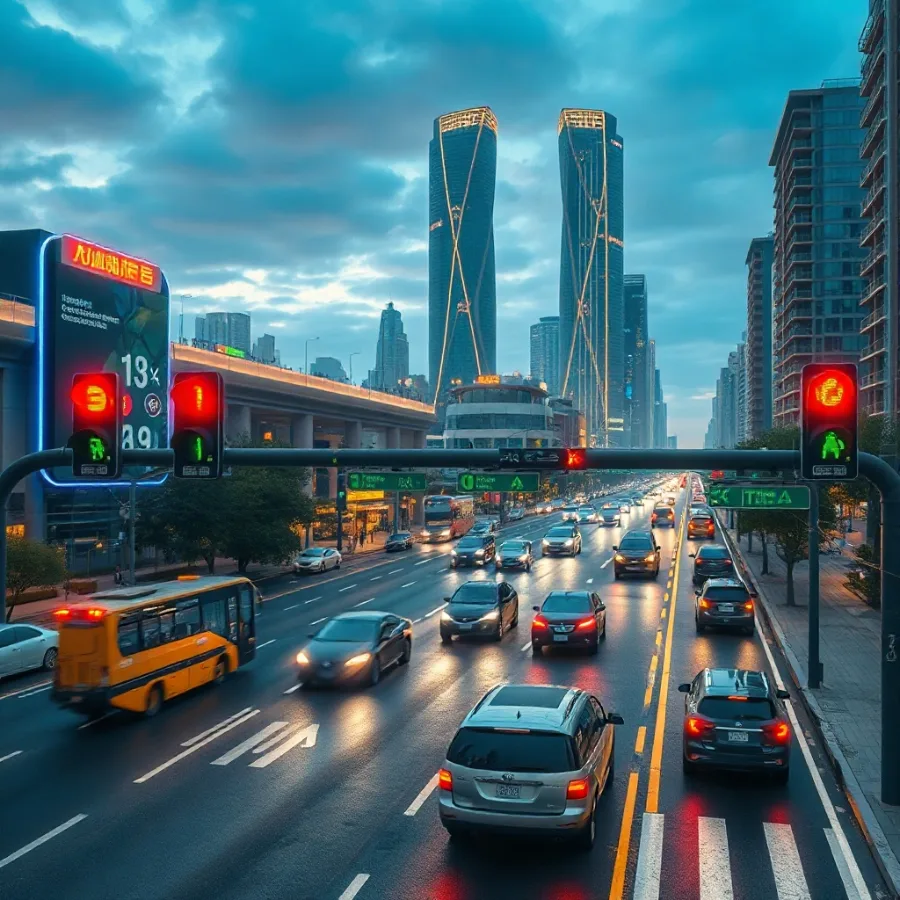
AI-powered traffic management systems can adjust traffic signals in real-time based on current traffic conditions. By dynamically changing signal timings and adjusting traffic flow, these systems can reduce congestion, minimize delays, and improve overall traffic efficiency. This real-time responsiveness is crucial in ensuring a smooth and seamless traffic experience for commuters.
Predictive Maintenance for Infrastructure
AI can also play a significant role in predicting and preventing infrastructure issues that may lead to traffic disruptions. By analyzing data on road conditions, weather patterns, and maintenance schedules, AI systems can forecast potential problems and schedule preventive maintenance to minimize the impact on traffic flow. This proactive approach helps to keep roads and transportation infrastructure in optimal condition.
Enhancing Public Transportation Systems
In addition to improving road traffic, AI can enhance public transportation systems to provide more efficient and reliable services. By analyzing passenger demand, optimizing routes, and predicting peak travel times, AI systems can help public transportation agencies better meet the needs of commuters. This leads to increased ridership, reduced congestion, and a more sustainable urban transportation network.
Collaborative Efforts for Smart Cities
AI-powered traffic optimization is not limited to individual cities but can also be part of larger smart city initiatives. By sharing data and best practices, cities can learn from each other and collaborate on innovative solutions to common traffic challenges. This collaborative approach is essential in creating interconnected and efficient transportation networks across regions.
Harnessing the Potential of AI
As we look to the future, the potential of AI in traffic optimization is vast. By harnessing the power of artificial intelligence, we can create smarter, more sustainable, and more efficient transportation systems. From reducing traffic congestion to improving air quality and enhancing overall quality of life, AI is paving the way for a more connected and seamless urban experience.
Related guides: AI impact on traffic management, Smart Traffic Management Systems Explained, AI-Powered Energy Efficiency Systems Explained
Sources and Further Reading
Related Posts

Leave a Comment
Your comment will be published after it has been approved. Please send comments that do not contain slang words.