
EV Tax Credit in 2026: What Ended, What Survives and How to Claim It
Updated September 3, 2026 · 10 min read
Last updated: September 1, 2026. Tax rules change — verify current-year details with the IRS or a tax professional before filing.
Quick answer: the famous $7,500 EV tax credit ended for deliveries after September 30, 2025. What remains in 2026: the 30C home-charger credit (30% up to $1,000, expires June 30, 2026, eligible census tracts only), a new deduction of up to $10,000 a year in auto-loan interest for US-assembled vehicles, and the full patchwork of state and utility incentives.
Key takeaways
- Gone: the $7,500 new-EV and $4,000 used-EV credits ended September 30, 2025 — including the leasing pathway.
- Still alive #1: the 30C charger credit — 30% of home-charger hardware+install, up to $1,000/port, expires June 30, 2026, census-tract restricted.
- Still alive #2: up to $10,000/year of auto-loan interest is deductible (2025-2028) on new US-assembled vehicles, no itemizing required, income limits apply.
- Still alive #3: state rebates, utility programs, and HOV perks continue unchanged.
- Beware stale listings: “after $7,500 savings” pricing is 2025 leftovers — trust MSRP and verify everything in writing.
- The market response matters more than nostalgia: entry EV prices kept falling anyway — the cheapest new EVs now start near $29,000.
What Ended: The EV Tax Credit Era in One Table
| Program | What it was | Status |
|---|---|---|
| Clean Vehicle Credit (new) | Up to $7,500 on qualifying new EVs | Ended for deliveries after Sept 30, 2025 |
| Used Clean Vehicle Credit | Up to $4,000 on qualifying used EVs | Ended Sept 30, 2025 |
| Commercial/leasing pathway | Credit passed through lease pricing | Ended with the consumer credits |
| 30C charger credit | 30% of home charger + install, ≤$1,000/port | Active until June 30, 2026 (census-tract rule) |
| Auto-loan interest deduction | ≤$10,000/yr interest, new US-assembled vehicles | Active 2025-2028 (income limits) |
| State & utility incentives | Rebates, exemptions, charger programs | Unaffected — vary by state |
The 30C Charger Credit: Claim It Before June 30, 2026
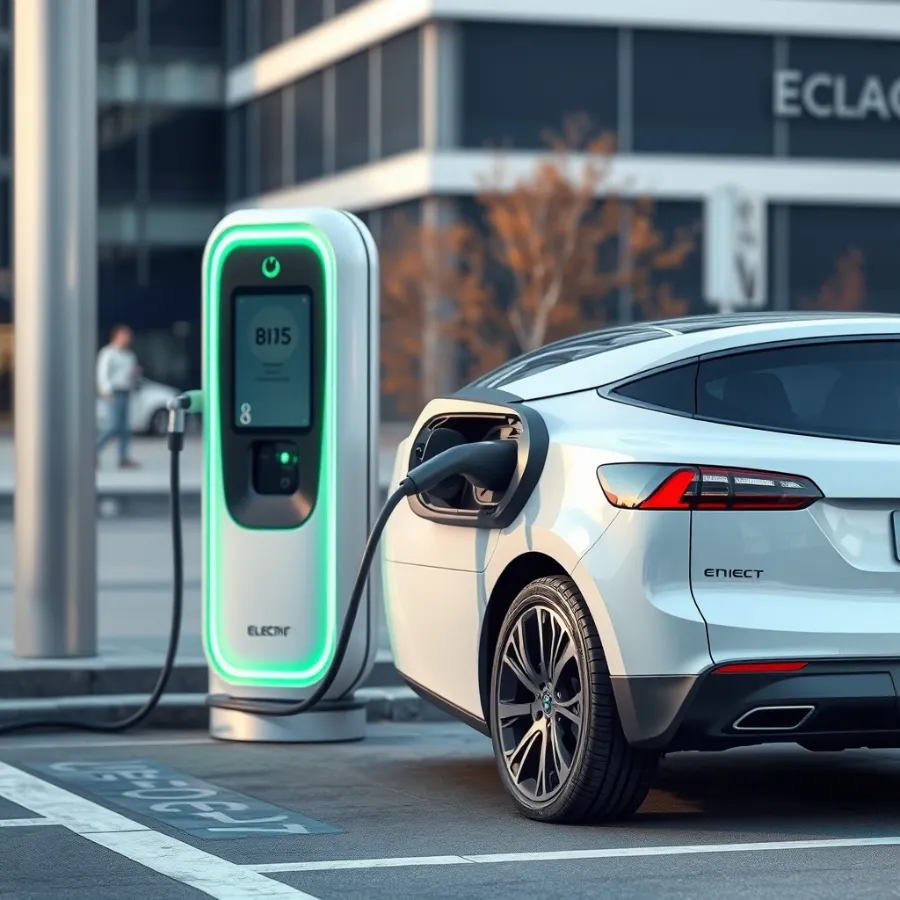
The most actionable EV tax credit left is the one attached to your wall, not your car. Section 30C returns 30% of what you spend on home-charging equipment AND its installation, capped at $1,000 per charging port, for property placed in service by June 30, 2026.
The catch that trips people up is geography: eligibility is limited to homes in qualifying census tracts — broadly, non-urban and lower-income areas, which still cover a large share of US households. The IRS eligibility lookup settles it in a minute, and it is worth checking before assuming either way.
Paperwork is simple if you keep receipts: hardware invoice, installation invoice, and the in-service date. Pair it with a utility charger rebate (those have no tract restriction) and a typical $1,600 Level 2 installation can come back as $500-1,000 in combined benefits — the full hardware decision is covered in our Level 2 EV charger guide.
The $10,000 Loan-Interest Deduction: The Sleeper Benefit
Far fewer buyers know the EV tax credit era\u0027s replacement benefit: for 2025 through 2028, interest paid on a loan for a NEW, US-assembled vehicle is deductible up to $10,000 per year — above the line, meaning you claim it on top of the standard deduction.
Income limits apply: the full deduction runs to $100,000 AGI (single) or $200,000 (married filing jointly), phasing out by $150,000/$250,000. The US-assembly requirement is the planning lever — it covers many EVs built in American plants regardless of badge, so checking a specific VIN’s assembly location matters more than the brand on the grille.
What it is worth in practice: on a $40,000 loan at around 7%, first-year interest runs roughly $2,700 — deductible in full, worth several hundred dollars back at typical rates, every year of the loan’s early life. Over a five-year note the cumulative benefit can rival a meaningful slice of the old EV tax credit, quietly.
Beyond the EV Tax Credit: State and Utility Incentives
| Incentive type | Typical value | Where to check |
|---|---|---|
| State purchase rebates | $500-5,000 (varies widely) | State energy office |
| Utility EV rebates | $250-1,500 + charger deals | Your electric utility |
| Off-peak EV rates | 30-50% off charging energy | Utility rate plans |
| Registration/tax exemptions | Varies | State DMV/revenue dept |
| HOV lane access | Time, not money — often the favorite | State DOT |
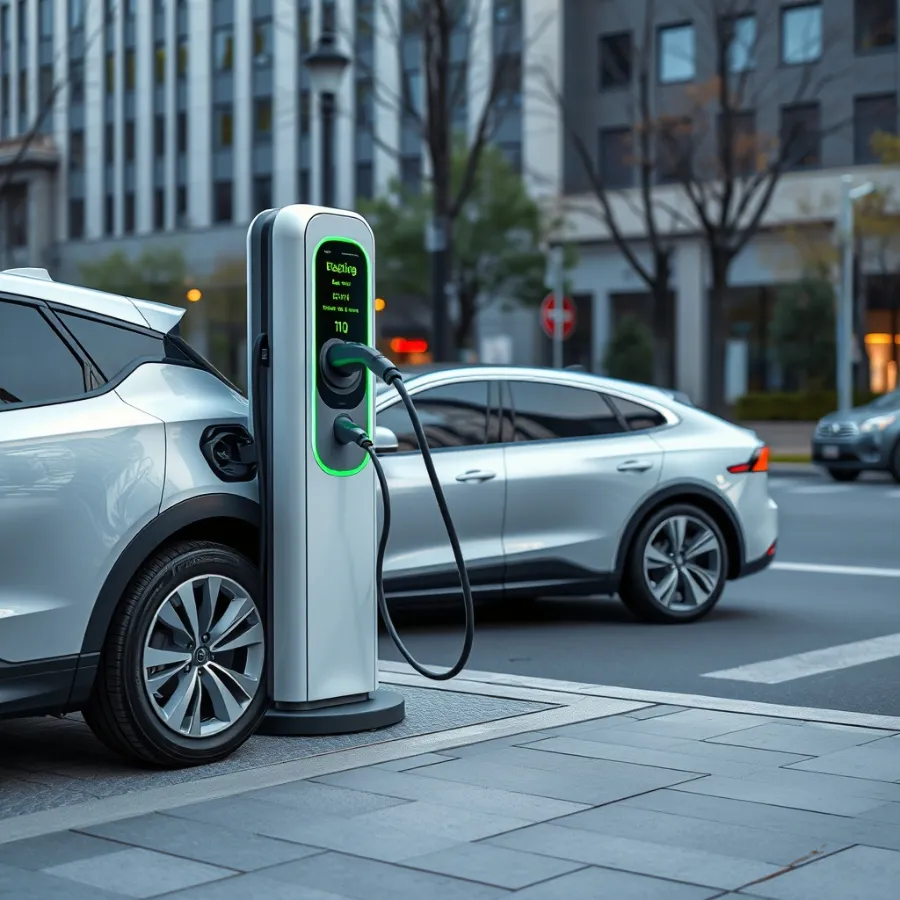
Because these programs change constantly and differ by ZIP code, the reliable move is the DOE’s state-by-state database (linked in Sources) plus one call to your utility. International comparisons — how US incentives now stack against Europe’s and China’s — live in our EV tax credits by country guide.
Buying Without the Credit: What Actually Changed
The market absorbed the EV tax credit expiry faster than headlines suggested. Entry pricing kept falling on its own economics — the cheapest electric cars now start near $29,000 without any federal help, batteries get roughly 8% cheaper each year, and manufacturers shifted from tax-code marketing to plain price cuts and subsidized leases.
The practical buyer math in 2026: stack what remains (loan-interest deduction + state rebate + utility program + 30C before June), then negotiate the sticker like any car purchase. Total-cost arithmetic still lands EV-positive for home-charging households, as the running-cost tables in our cheapest-EVs guide show — the tax code just stopped doing the persuading.
Claiming the Remaining EV Tax Credit Benefits: Step by Step
| Step | 30C charger credit | Loan-interest deduction |
|---|---|---|
| 1. Confirm eligibility | IRS census-tract lookup for your address | New vehicle + US final assembly (check the VIN/window sticker) + AGI under limits |
| 2. Keep the paper | Hardware + installation invoices, in-service date | Lender’s annual interest statement |
| 3. File the form | Form 8911 with your return | Claimed above-the-line on the 1040 per current-year instructions |
| 4. Stack extras | Utility rebate (separate, no tract rule) | State rebates unaffected |
| Deadline | Placed in service by June 30, 2026 | Loans through 2028 under current law |
Total time cost for both: under an hour of paperwork across the year — the best hourly rate most EV owners will ever earn.
Common EV Tax Credit Mistakes in 2026
Trusting stale price advertising. Listings built around “$7,500 in potential savings” are leftovers from 2025 — the EV tax credit they reference cannot be claimed on a 2026 delivery. Anchor on MSRP and get every discount in writing.
Missing the census-tract check both ways. Some households skip 30C assuming cities never qualify; others claim it without checking and face amended returns. The lookup takes a minute — do it before the install, not after.
Forgetting the deduction is per YEAR. The loan-interest benefit repeats annually through 2028 — buyers comparing cash vs finance should count multiple years of deductible interest, not one.
Assuming used EVs lost everything. The federal used-EV credit is gone, but several states aim rebates specifically at used EVs, and the used market’s price advantage — covered in our cheapest electric cars guide — outgrew the old $4,000 anyway.
Businesses and Fleets: A Different Rulebook
Commercial buyers work the EV tax credit rulebook differently — theirs survived in modified form: depreciation treatment for business vehicles, the commercial side of 30C for workplace and depot charging (with its own higher per-port limits for businesses, also facing the June 30, 2026 sunset), and state fleet-electrification grants that often dwarf consumer incentives. A small business installing workplace chargers this spring sits on the last predictable window of federal support — after June, the case rests on the still-excellent operating economics documented across our EV statistics page.
Leasing in 2026: Negotiate the Subsidy, Not the Tax Code
The lease loophole that quietly passed the old EV tax credit through to lessees died with the consumer credits — but leasing did not stop being subsidized; the subsidizer changed. Manufacturers still buy down lease rates to move EV inventory, which shows up as inflated residuals and below-market money factors rather than a line-item credit.
Practical consequence: compare the same car’s lease offer across two or three dealers and against its finance math, because captive-lender promotions now vary month to month in ways the uniform federal EV tax credit never did. Ask for the money factor and residual in writing — those two numbers are where 2026’s real lease discounts hide.
Three Real Buyer Scenarios, Run Through the 2026 Rules
Scenario 1 — Suburban commuter, $38,000 US-built EV, financed. No purchase EV tax credit applies, but: first-year loan interest ≈ $2,400 (deductible above the line), 30C on a $1,400 charger install ≈ $420 back if the tract qualifies, plus a typical $1,000-class state/utility stack. Real first-year recovery: roughly $1,500-2,500 — without a single federal purchase dollar.
Scenario 2 — Used-EV shopper at $19,000. The federal used credit is gone and loan-interest deduction applies to NEW vehicles only, so the federal layer is empty. What works instead: used-specific state rebates where offered, utility off-peak rates, and the purchase math itself — used EV prices already fell past where the old $4,000 credit used to land them.
Scenario 3 — Small business adding two depot chargers in spring 2026. The commercial 30C window (higher per-port limits than the residential $1,000) closes June 30 — installing before the deadline versus after is a four-figure difference per port, making this the single most time-sensitive EV tax credit decision left on the books.
State Spotlight: How Different the Map Looks
Because the federal EV tax credit exit made geography the main variable, sample the spread: Colorado’s state credit remains among the country’s most generous; California runs income-qualified programs plus some of the strongest utility rate perks; New Jersey pairs a sales-tax exemption with charger support; Texas and Florida lean on utility rebates rather than state programs. The point is not this snapshot — programs shift yearly — but the method: your ZIP code now matters more than the federal code, and the DOE database in Sources resolves your exact address in minutes. Our EV tax credits by country page shows the same variance internationally.
The Bigger Picture: Did Ending the EV Tax Credit Stall the Market?
Honest reading of the first post-credit year: US EV share paused near one in ten new cars — real, but far from collapse — while global sales grew 20%+ on pure economics. The instructive contrast is structural: markets where EVs win on sticker price no longer need purchase subsidies, and the US is drifting toward that state as batteries cheapen ~8% yearly.
For an individual buyer the takeaway is refreshingly simple: the EV tax credit era made timing matter; the current era makes math matter. Run your own five-year numbers — energy, maintenance, the surviving incentives above — and the decision usually makes itself, no tax code required.
Watch Dates and What Could Return
| Date | What happens |
|---|---|
| June 30, 2026 | 30C home-charger credit expires — install and place in service before this |
| Tax filing 2026 (for 2025) | Last returns claiming vehicles delivered by Sept 30, 2025 |
| 2028 year-end | Loan-interest deduction sunset under current law |
| Any session of Congress | EV tax credit policy has reversed before; treat rumors as rumors until enacted |
This page tracks the enacted rules only — when the law moves, the last-updated date above moves with it, per our editorial policy.
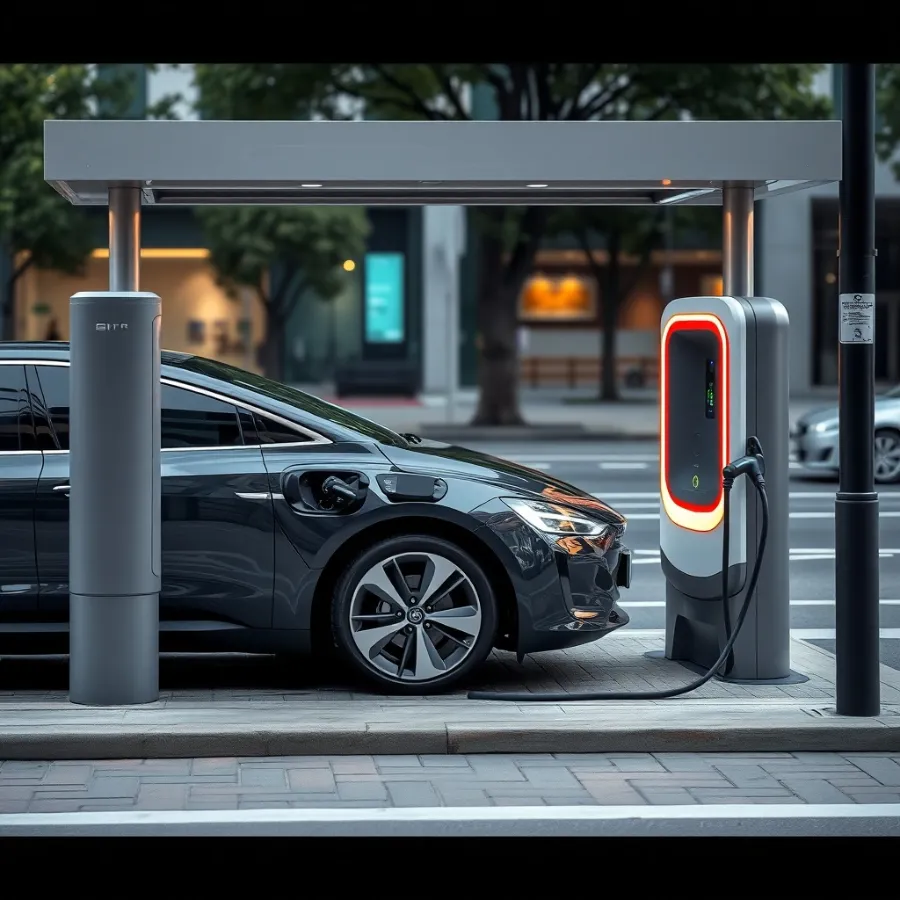
Combine current incentives with the right pick from our affordable electric cars guide for the best total price.
Federal incentives are only one moving piece — see our zero emission vehicle 2035 guide for the mandate side of the picture.
The US relies on incentives rather than a tax — see our carbon tax cars guide for how other countries do it differently.
With the federal charger credit gone, the running cost carries more weight than it did. The EV charging cost calculator works out the annual charging bill from your own mileage and electricity rate.
With every federal clean vehicle credit now expired, the state layer is what remains. Our breakdown of state EV incentives sets out the three ways states pay, and why a point-of-sale rebate is usually worth more than a larger tax credit.
Frequently Asked Questions
Curious how incentives differ elsewhere? See EV tax credits by country compared.
how incentives drive EV adoption is worth a closer look for the full picture.
renewable energy subsidy updates is worth a closer look for the full picture.
Is the $7,500 EV tax credit still available in 2026?
No. The federal $7,500 new-EV credit and the $4,000 used-EV credit both ended for vehicles delivered after September 30, 2025. Listings still advertising them are out of date.
What EV tax credit can I still claim in 2026?
Two federal items remain: the 30C home-charger credit (30% of hardware+install up to $1,000 per port, expires June 30, 2026, and only in eligible census tracts) and the new auto-loan interest deduction of up to $10,000 a year for new US-assembled vehicles, available 2025-2028 with income limits.
How does the $10,000 EV loan interest deduction work?
You deduct the interest actually paid on a loan for a NEW, US-assembled vehicle — up to $10,000 per year, 2025 through 2028. It is above-the-line (no itemizing needed), with full benefit up to $100,000 AGI single / $200,000 married, phasing out at $150,000 / $250,000.
Do states still offer EV incentives?
Yes — state rebates, tax exemptions, HOV access and utility programs continue independently of the federal change. Amounts range from a few hundred dollars to several thousand; check your state energy office and utility before buying.
Can I still get money for installing a home charger?
Until June 30, 2026, the 30C credit returns 30% of charger hardware and installation up to $1,000 per port — if your home is in an eligible census tract (broadly non-urban or lower-income areas; the IRS provides a lookup). Many utilities add their own charger rebates with no tract restriction.
Did leasing keep any credit advantage?
The commercial-vehicle pathway that made leased EVs effectively credit-eligible ended along with the consumer credits for deliveries after September 30, 2025. Lease pricing now reflects ordinary market economics — still sometimes subsidized by manufacturers, but not by the tax code.
Sources and Further Reading
- IRS — Alternative Fuel Refueling Property Credit (30C)
- IRS — Clean Vehicle Credits (status and final-year rules)
- US DOE — State Laws and Incentives Database (AFDC)
- Kiplinger — The Federal EV Charger Credit in 2026
Since this guide was written the charger-side incentive has changed: the federal EV charger tax credit expired on 30 June 2026, so home charging equipment now depends on state and utility programs.
Related Posts

Leave a Comment
Your comment will be published after it has been approved. Please send comments that do not contain slang words.