How Enhanced Geothermal Systems (EGS) Are Unlocking Infinite Clean Power Worldwide
Updated September 2, 2026 · 3 min read
- Enhanced geothermal systems crossed from experimental to commercially bankable in 2026, led by Fervo Energy’s Cape Station — a 400 MW project delivering grid power in 2026.
- Fervo cut per-well drilling costs from $9.4M to $4.8M, beating Department of Energy cost-reduction expectations.
- Fervo’s May 2026 IPO raised $1.89 billion, and the company has secured over 600 MW in power purchase agreements, including with Google and Shell Energy.
- Unlike conventional geothermal (limited to specific hot-rock locations), EGS works by drilling and fracturing rock to create geothermal reservoirs almost anywhere — much wider deployment potential.
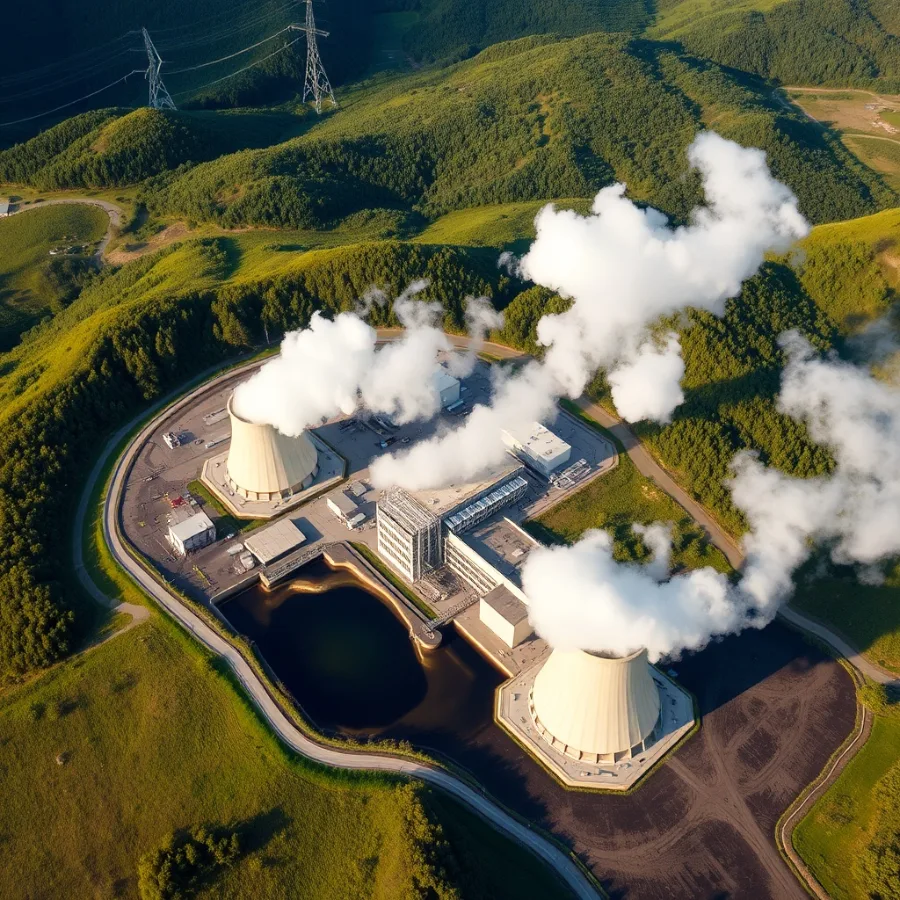
Enhanced geothermal systems made the jump from lab-stage technology to a genuine commercial power source in 2026. Fervo Energy’s Cape Station — a 400 MW project in Beaver County, Utah — began delivering clean electricity to the grid this year, and the company’s May 2026 IPO raised $1.89 billion, a clear signal that investors now treat EGS as bankable infrastructure, not a science project.
How EGS Differs From Conventional Geothermal
| Factor | Conventional geothermal | Enhanced geothermal (EGS) |
|---|---|---|
| Location requirement | Natural hot springs/volcanic zones only | Drilled and engineered almost anywhere with sufficient rock temperature |
| How it works | Taps existing underground steam/hot water | Drills wells, fractures hot rock, circulates fluid to create heat exchange |
| Deployment potential | Geographically limited | Much broader — most of the world has hot rock at sufficient depth |
The 2026 Cost Breakthrough

| Metric | Result |
|---|---|
| Per-well drilling cost | Reduced from $9.4M to $4.8M |
| vs. Department of Energy projections | Significantly exceeded DOE’s own cost-reduction expectations |
| Cape Station project size | 400 MW, Beaver County, Utah |
This roughly-halved drilling cost is the key unlock — EGS economics depend heavily on well cost, since drilling is the largest single expense in bringing a geothermal project online.
Who’s Buying the Power
| Deal | Detail |
|---|---|
| Google PPA | 396 MW power purchase agreement with Fervo |
| Shell Energy PPA | Part of Fervo’s 600+ MW total PPA portfolio |
| May 2026 IPO | $1.89 billion raised |
| Additional financing | $421M (March 2026) + $462M (Dec 2025) for project development |
Google’s PPA fits the same pattern as Big Tech’s small-modular-reactor deals — AI datacenter operators need reliable, round-the-clock clean power, and EGS offers baseload generation that solar and wind can’t guarantee alone.
Why This Matters More Than Another Renewable Headline
Most renewable energy sources (solar, wind) are intermittent — they need storage or backup to provide power on demand. Enhanced geothermal systems produce baseload power around the clock, the same category of reliability traditionally associated with fossil fuels or nuclear, but without the emissions or the decade-plus construction timelines of conventional nuclear plants.
One-Minute Recap
- Fervo Energy’s Cape Station (400 MW) began delivering grid power in 2026 — EGS is now commercial, not experimental.
- Per-well drilling costs dropped from $9.4M to $4.8M, beating DOE projections.
- Fervo’s May 2026 IPO raised $1.89B; 600+ MW in PPAs including Google and Shell Energy.
- EGS delivers baseload (round-the-clock) clean power, unlike intermittent solar/wind.
green technology investments is worth a closer look for the full picture.
the carbon footprint of home heating is worth a closer look for the full picture.
grid reliability and clean baseload power is worth a closer look for the full picture.
Are enhanced geothermal systems actually commercial yet?
Yes, as of 2026. Fervo Energy’s Cape Station (400 MW, Utah) began delivering electricity to the grid this year, and the company’s $1.89 billion May 2026 IPO signals investors now treat EGS as bankable commercial infrastructure.
How is enhanced geothermal different from regular geothermal power?
Conventional geothermal only works at natural hot springs or volcanic zones. Enhanced geothermal systems drill wells and fracture hot rock to create engineered heat-exchange reservoirs almost anywhere with sufficient rock temperature at depth, greatly expanding where geothermal power can be built.
How much has EGS drilling cost dropped?
Fervo Energy reduced per-well drilling costs from $9.4 million to $4.8 million, a roughly 49% reduction that significantly exceeded Department of Energy cost-reduction expectations.
Who is buying power from enhanced geothermal projects?
Google has a 396 MW power purchase agreement with Fervo Energy, and Shell Energy is part of Fervo’s broader 600+ MW PPA portfolio — largely driven by AI datacenter operators needing reliable, round-the-clock clean power.
Why do tech companies want geothermal power specifically?
Enhanced geothermal systems provide baseload power around the clock, similar reliability to fossil fuels or nuclear, which intermittent solar and wind can’t guarantee without storage — a good match for AI datacenters’ constant power draw.
How much has Fervo Energy raised to build enhanced geothermal projects?
Fervo raised $1.89 billion in its May 2026 IPO, plus $421 million in March 2026 financing and a $462 million round in December 2025 for project development.
Sources and Further Reading
Related Posts


Leave a Comment
Your comment will be published after it has been approved. Please send comments that do not contain slang words.