
Carbon Tax Cars (2026): How Countries Actually Charge for CO2
Updated September 2, 2026 · 5 min read
Last updated: September 1, 2026
Carbon tax cars, quick answer: it means a fee tied to a vehicle’s CO2 emissions, applied either as an ongoing carbon price (Norway and Sweden lead globally at roughly €130-146 per tonne) or as a one-time purchase penalty like France’s “malus écologique,” which can rival or exceed the car’s own price for the highest-emitting models. The US has no federal carbon tax on vehicles — 24 EU member states, by contrast, tie registration or purchase taxes to CO2 output in some form.
Key takeaways
- Carbon tax on cars takes two forms: an ongoing per-tonne carbon price, or a one-time purchase penalty scaled to emissions.
- Norway and Sweden lead globally on carbon tax rates, part of why both countries have among the world’s highest EV adoption rates.
- France’s malus écologique is the most aggressive purchase-penalty model — it can add tens of thousands of euros to a high-emission vehicle’s price.
- The US has no federal carbon tax on vehicles, though state-level programs and EV incentives function as an indirect parallel.
How Carbon Tax on Cars Actually Works

| Mechanism | How it works | Example |
|---|---|---|
| Ongoing carbon price | A per-tonne CO2 fee applied economy-wide, flowing through to fuel prices and vehicle taxes | Norway (~€146/tonne), Sweden (~€133/tonne) — the world’s highest rates |
| One-time purchase penalty | A registration tax scaled to the vehicle’s emissions, paid once at purchase | France’s malus écologique, which can rival the car’s own price for the worst emitters |
| CO2-based ongoing registration | Annual or periodic tax tied to a vehicle’s emissions rating | Common structure across much of the EU’s 24 CO2-taxing member states |
These mechanisms aren’t mutually exclusive — many European countries layer a general carbon price on fuel with a separate vehicle-specific purchase or registration tax, creating a compounding incentive against high-emission vehicles.
France’s Malus Écologique: The Most Aggressive Model
France’s approach deserves special attention because of how blunt it is: a one-time environmental penalty applied at first registration, calculated from both CO2 emissions and vehicle weight. For the highest-emitting vehicles, the malus can add an amount that rivals or exceeds the vehicle’s own purchase price — a structural disincentive far sharper than a modest ongoing carbon price. The weight component specifically targets large SUVs and trucks, addressing the pattern our most polluting vehicles guide covers: bigger, heavier vehicles pollute disproportionately, and France’s tax structure directly reflects that.
Why Norway and Sweden Lead — And What It Bought Them
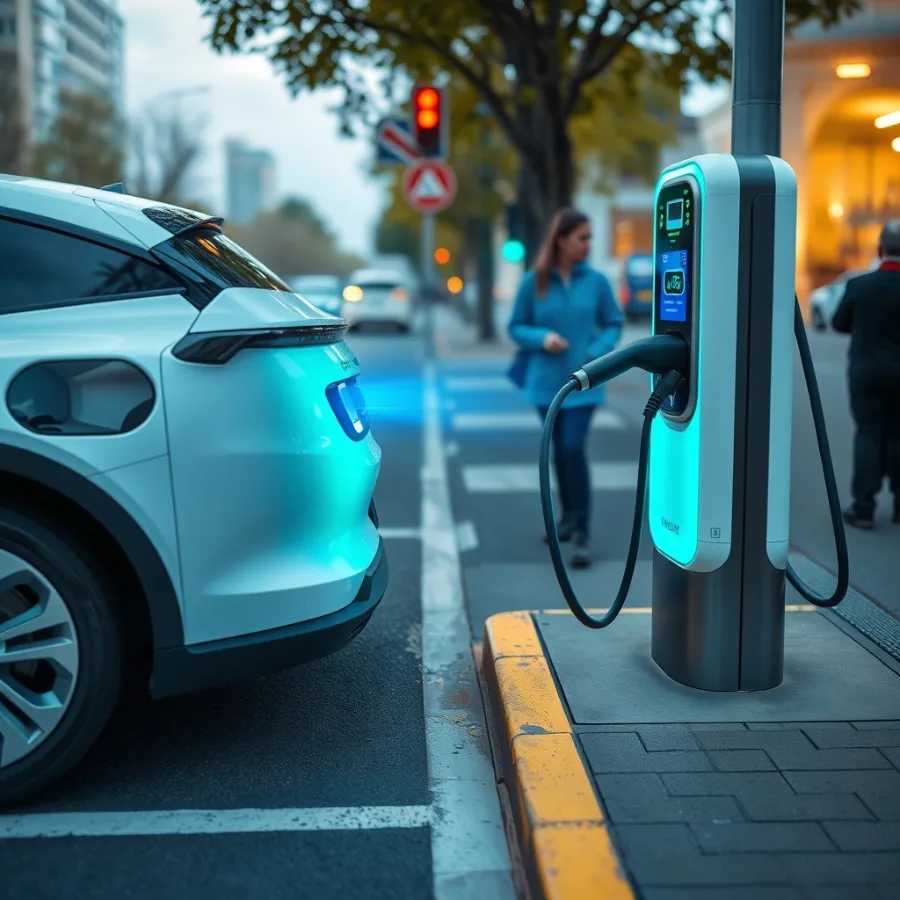
Norway’s and Sweden’s carbon tax rates, the world’s highest, aren’t accidental — both countries built sustained, predictable carbon pricing into their economies for years, alongside EV purchase incentives. Norway in particular has become the global reference point for EV adoption, with electric vehicles making up the overwhelming majority of new car sales — a direct result of the combined push (carbon tax raising the relative cost of emissions, incentives lowering the relative cost of EVs) rather than either policy alone.
The US: No Federal Carbon Tax, But Not No Policy

The United States has no federal carbon tax on vehicles or fuel. Several states run their own carbon-pricing or cap-and-trade programs, but nothing at the national level parallels Europe’s structure. Instead, US policy has leaned on the incentive side of the equation — purchase credits and rebates that lower EV costs rather than a tax that raises gas-car costs — though as covered in our EV tax credits guide, even that incentive landscape has been shifting significantly through 2025-2026.
What This Means for Car Buyers
- In carbon-tax countries, check the total cost including tax before comparing sticker prices across models — a high-emission vehicle’s real cost can look very different once the tax is added.
- EVs are structurally favored wherever carbon tax on cars exists, since zero direct emissions means avoiding the tax entirely in most implementations.
- Weight-based components (like France’s) specifically penalize large SUVs — worth factoring into size decisions in those markets.
- US buyers should track incentive changes rather than tax changes, since that’s the lever US policy has actually used.
Carbon Tax Cars FAQ
Beyond taxes, broader renewable energy policy tools like RPS mandates and tax credits shape the bigger emissions picture too.
Curious how a tax compares to the alternative mechanism? See carbon tax vs cap and trade explained.
Which countries have the highest carbon tax on cars?
Norway (~146 euros per tonne) and Sweden (~133 euros per tonne) lead globally on carbon tax rates, with Switzerland and Liechtenstein close behind. Both Nordic leaders also run strong EV incentive programs alongside the tax.
What is France’s malus ecologique?
A one-time environmental penalty tax applied when a vehicle is first registered in France, calculated from CO2 emissions and vehicle weight. For the highest-emitting models it can add an amount that rivals or exceeds the car’s own purchase price.
Does the US have a carbon tax on cars?
No federal carbon tax exists on vehicles or fuel in the US, though some states run their own carbon-pricing programs. US policy has instead relied on purchase incentives and credits to favor EVs rather than taxing gas-car emissions directly.
Do EVs avoid carbon tax on cars entirely?
In most implementations, yes – since carbon tax on cars is tied to CO2 emissions and EVs produce none directly, they are structurally favored wherever these taxes exist, avoiding both the ongoing carbon price and one-time purchase penalties.
How many countries tax cars based on CO2 emissions?
At least 24 European Union member states levy vehicle taxes partially or fully based on CO2 emissions and fuel consumption, though the specific mechanism (registration tax, ongoing carbon price, or purchase penalty) varies significantly by country.
Why does vehicle weight factor into some carbon taxes?
Heavier vehicles generally consume more fuel and emit more CO2 per mile, and large SUVs and trucks have historically faced looser emissions standards than passenger cars in some markets. Weight-based components like France’s malus target this pattern directly.
Related Guides on ZeroCarbonDrive
- EV tax credits and incentives — the US alternative to a carbon tax
- The most polluting vehicles — the vehicles carbon taxes target hardest
- CO2 emissions by country — the national context behind these policies
Sources and Further Reading
Related Posts



1 Comment
"Reduced emissions and cleaner driving habits thanks to carbon taxes on cars. Great for the environment!"
Leave a Comment
Your comment will be published after it has been approved. Please send comments that do not contain slang words.