
Why Pilotless Flying Taxis Are Scaling Faster in Asia Than the West
Updated August 31, 2026 · 2 min read
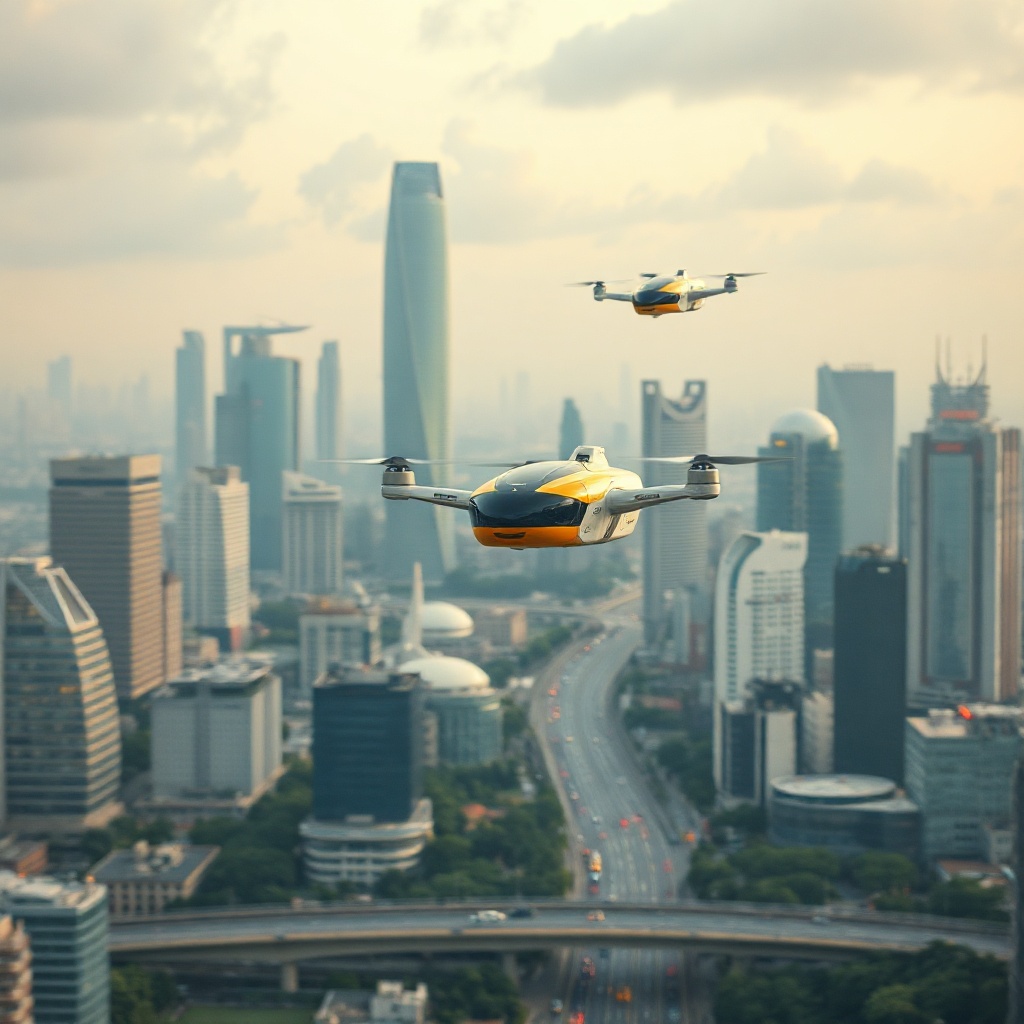
Flying taxis have long been a dream of the future, offering a convenient and efficient way to navigate through busy cities. In recent years, the concept of pilotless flying taxis has been gaining momentum, especially in Asia. But why are these innovative modes of transportation scaling faster in Asia than in the West?
The Technological Leap in Asia
Asia has been at the forefront of technological advancements, with countries like China and Japan leading the way in innovation. The rapid development of autonomous technology and smart infrastructure in Asia has created the perfect environment for pilotless flying taxis to thrive. These countries have invested heavily in research and development, paving the way for a future where flying taxis could be a common sight in the sky.
The Need for Efficient Urban Mobility
With rapidly growing urban populations and increasing traffic congestion, the need for efficient and sustainable urban mobility solutions has never been greater. Pilotless flying taxis offer a promising solution to these challenges, providing a faster and more environmentally friendly alternative to traditional modes of transportation. In Asia, where cities are densely populated and traffic congestion is a major issue, the demand for innovative transportation solutions is particularly high.
The Regulatory Landscape in Asia
Another key factor driving the rapid scaling of pilotless flying taxis in Asia is the supportive regulatory landscape. Countries like Singapore and South Korea have been quick to embrace new technologies and have implemented policies that encourage the testing and deployment of autonomous vehicles. This supportive regulatory environment has allowed companies developing pilotless flying taxis to accelerate their operations and bring their innovative solutions to market faster.
In conclusion, the rapid scaling of pilotless flying taxis in Asia can be attributed to a combination of technological advancements, the need for efficient urban mobility, and a supportive regulatory landscape. As these innovative modes of transportation continue to evolve, they have the potential to revolutionize the way we travel in cities and create a more sustainable future for urban mobility.
Related guides: From Sci-Fi to Reality: The Most Futuristic Flying Taxis Nearing Certification in 2026, Will Flying Taxis Face Range Anxiety in Extreme Winter Weather?, Will Electric Flying Taxis (eVTOL) Ever Switch to Hydrogen Power?
Sources and Further Reading
Related Posts



Leave a Comment
Your comment will be published after it has been approved. Please send comments that do not contain slang words.