
Affordable Electric Cars (2026): The Best Picks by Use Case

Updated September 18, 2026 · 5 min read
Last updated: September 6, 2026
Quick answer: The best affordable electric cars for everyday drivers in 2026 fall into three buckets by use case: solo commuters win with the Chevrolet Bolt EV ($28,995 MSRP) or Nissan Leaf ($29,990); families need the extra room of a compact crossover like the Chevrolet Equinox EV ($34,995); and first-time EV buyers on the tightest budgets should shop used, where 3-year-old EVs with verified battery health now sell for $15,000-20,000. All three routes beat gasoline on running costs from day one.
Key takeaways
- Match the car to the use case, not the spec sheet — a commuter and a family need different affordable electric cars.
- Used EVs with a verified battery health report are the single best value move for budget-constrained first-time buyers.
- Home charging access matters more to satisfaction than any price difference between models.
- Federal tax credits changed in 2025 — verify current eligibility before assuming a price includes one.
For the Solo Commuter: Maximum Range Per Dollar

A single daily driver optimizing for cost per mile wants range and efficiency over size:
- Chevrolet Bolt EV — $28,995. Relaunched with the same efficient powertrain that made the original a value favorite; solid range for the price, if modest cargo space.
- Nissan Leaf — $29,990. The longest continuously produced EV nameplate, simple to service, widely available used for even less.
- Hyundai/Kia budget trims. Regularly undercut the segment average on lease deals specifically; worth cross-shopping the monthly payment, not just MSRP.
For this buyer, the full cost picture — not just sticker price — matters most; run the numbers in our EV ownership costs guide before comparing to a gas commuter car.
For Families: Room Beats Raw Price
A family cross-shopping affordable electric cars usually needs cargo and rear-seat space more than the last few thousand dollars of savings:
- Chevrolet Equinox EV — from $34,995. Compact-crossover practicality at a price close to gas-crossover territory, the segment’s current value leader for families.
- Compact crossover trims from Hyundai/Kia. Often match or beat the Equinox on specific lease terms; base trims still deliver family-usable range and space.
The math that matters for families specifically: a slightly pricier crossover that fits car seats and strollers without a second thought beats a cheaper sedan that gets traded in within a year out of frustration. Home charging setup — covered in our Level 2 charger guide — matters even more for a family’s daily-use vehicle than for a light commuter.
For First-Time Buyers on a Tight Budget: Go Used
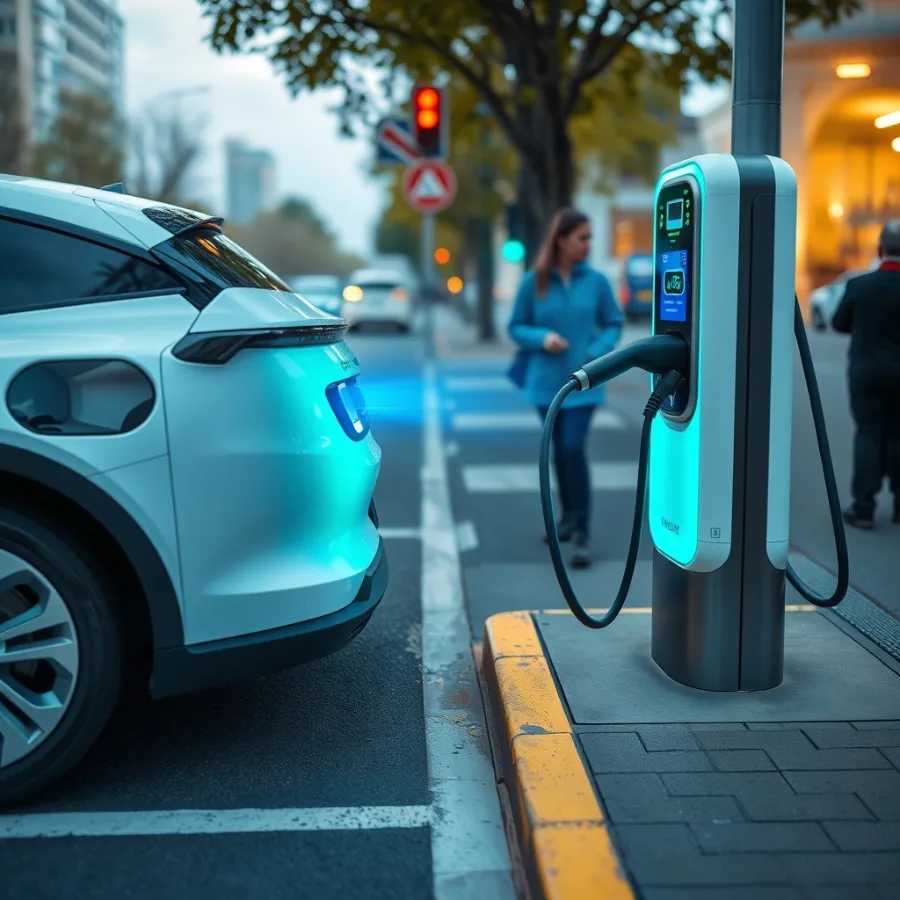
The single best value move in the entire affordable electric cars conversation is not a new-car trim level — it is a well-verified used EV. Three-year-old EVs with a documented battery health report now commonly sell for $15,000-20,000, already past the steepest depreciation, with most of their useful battery life ahead and the 8-year/100,000-mile warranty often still active. The checklist:
- Demand a battery health/state-of-health report before anything else — most dealers or independent services can pull one in minutes.
- Confirm remaining warranty coverage transfers to a second owner (it usually does, but verify).
- Check DC fast-charging capability — early budget EVs sometimes shipped without it, which matters for road trips.
- Verify home charging is realistic at your address before committing — see our installation cost guide.
Lease or Buy: Which Stretches a Tight Budget Further?
For shoppers hunting affordable electric cars specifically because the budget is tight, the lease-vs-buy decision often matters more than which model wins the comparison table:
- Leasing wins when: the monthly payment beats a loan payment on the same trim (common right now, as manufacturers use lease incentives to move EV inventory), you want the newest tech every 2-3 years, or you are unsure this is your last gas-to-electric switch.
- Buying (new or used) wins when: you plan to keep the car 6+ years, want to build equity instead of paying indefinitely, or found a strong used deal with verified battery health that undercuts any lease payment.
- The middle path: lease a genuinely affordable model for 2-3 years while EV prices and used-market maturity keep improving, then buy — new or used — once the market has settled further.
Whichever path, the number that should drive the decision among affordable electric cars is not the sticker price alone but the monthly all-in cost — payment plus insurance plus expected charging — compared honestly against what you spend on a gas car today.
State and utility programmes are unaffected by the federal expiry; see state EV incentives.
Don’t Forget Incentives
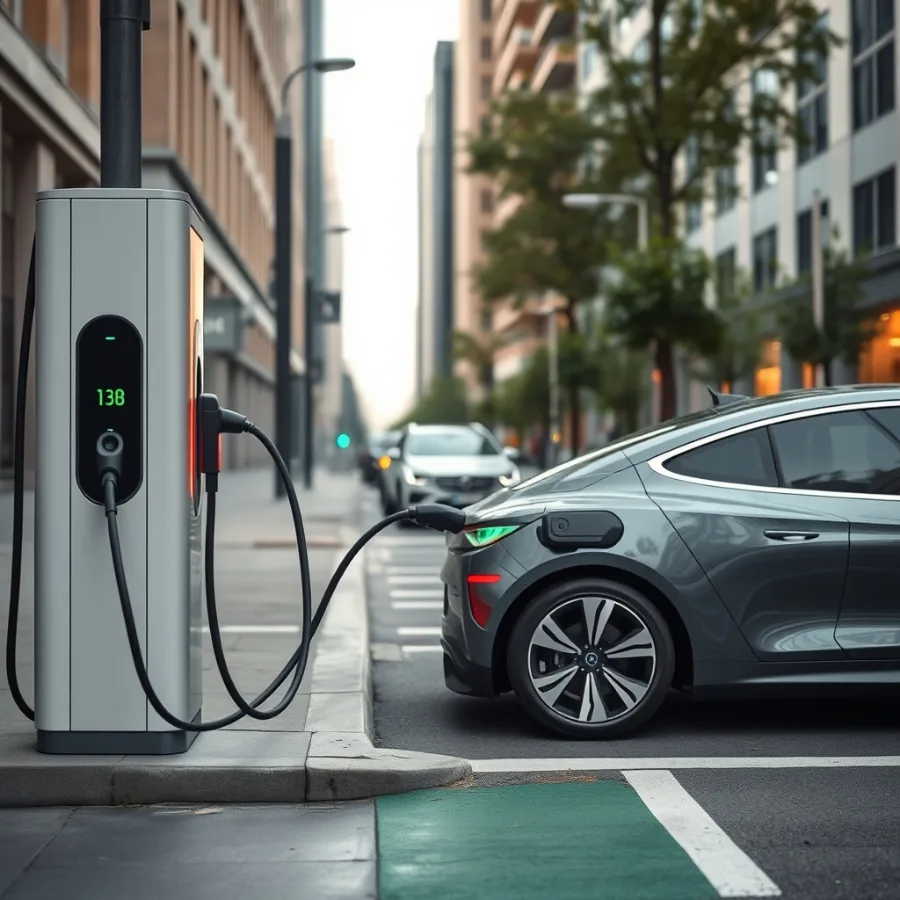
Federal EV tax credit rules changed significantly in late 2025, so treat any pre-2026 “with incentives” pricing you see online as outdated. Before comparing affordable electric cars on price, check what remains available to you — state rebates, utility charger rebates and the narrower federal provisions still standing are covered in our incentives guide. What you actually qualify for can shift the “cheapest” answer meaningfully.
Buy on today’s numbers, not policy uncertainty — our zero emission vehicle 2035 guide explains why.
Insurance is one line worth checking before you commit — see our EV insurance costs guide.
Buying second-hand widens the field further — see used electric cars.
Affordable Electric Cars FAQ
What is the cheapest new electric car in 2026?
The Chevrolet Bolt EV at $28,995 MSRP and Nissan Leaf at $29,990 lead the affordable new-EV segment. Pricing shifts with incentives and regional offers, so confirm current numbers at your dealer before deciding.
Are affordable electric cars actually cheaper to own?
Yes for most drivers with home charging – lower fuel and maintenance costs typically outweigh higher insurance and tire wear over several years. The full itemized comparison is in our EV ownership costs guide.
Should I buy a used EV instead of a cheap new one?
Often yes – a 3-year-old EV with a verified battery health report can cost $15,000-20,000, well past the steepest depreciation, with real warranty life remaining. It is frequently the best value in the entire market.
What affordable EV is best for a family?
The Chevrolet Equinox EV, starting around $34,995, currently leads on space-per-dollar among compact electric crossovers. Prioritize cargo and rear-seat room over marginal price savings for family use.
Do all affordable electric cars qualify for tax credits?
Not automatically – eligibility rules changed significantly in late 2025. Verify current federal and state eligibility for the specific model and your income before assuming a listed price includes any credit.
Is a cheaper EV worse quality than an expensive one?
Not in any meaningful safety or reliability sense – budget EVs use proven, simpler powertrains and increasingly mature LFP battery chemistry. The differences are mainly range, features and interior materials, not core dependability.
Related Guides on ZeroCarbonDrive
- Cheapest electric cars — the full price-ranked list
- EV ownership costs — the full five-year budget
- EV tax credits and incentives — what still applies in 2026
Sources and Further Reading
Every figure on this page is dated and linked to its source. How we verify · Editorial policy · Report a correction
Related Posts



Leave a Comment
Your comment will be published after it has been approved. Please send comments that do not contain slang words.