
EV Battery Manufacturing Emissions
Updated September 18, 2026 · 3 min read
Table of Contents
- Emission Factors in EV Battery Manufacturing
- Diesel vs. Electric Vehicle Emissions
- Emission Reduction Strategies
- Regional Comparison
- Frequently Asked Questions
Emission Factors in EV Battery Manufacturing
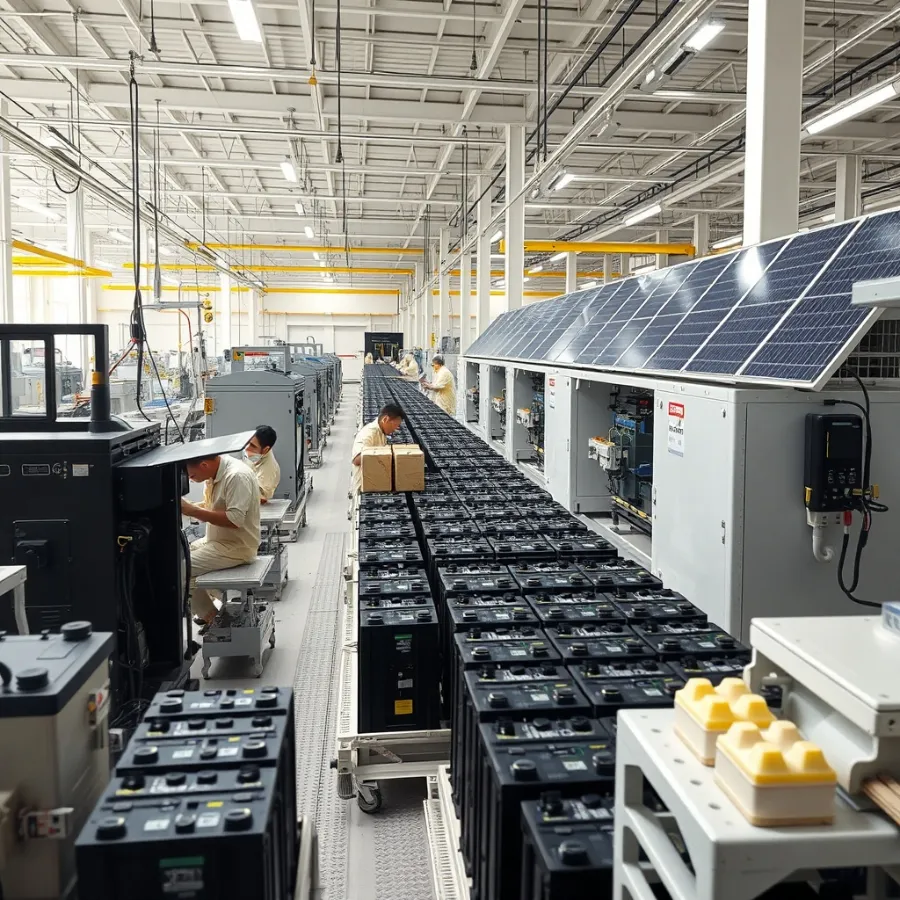
When evaluating the environmental impact of EVs, it’s crucial to consider the emissions generated during the manufacturing process of their batteries. The production of lithium-ion batteries, commonly used in EVs, involves energy-intensive processes that emit greenhouse gases. These emissions mainly stem from the mining and processing of raw materials, battery cell manufacturing, and the assembly of battery packs.
- Raw material extraction and processing
- Battery cell manufacturing
- Battery pack assembly
- Transportation of components
According to the Environmental Protection Agency (EPA), the carbon intensity of EV battery manufacturing varies depending on the energy sources and production methods used by manufacturers.
Diesel vs. Electric Vehicle Emissions
Comparing the emissions of diesel vehicles to electric vehicles involves assessing the entire lifecycle of each vehicle type. While EVs produce zero tailpipe emissions during operation, the emissions associated with manufacturing their batteries must be considered. Studies have shown that despite higher initial emissions in manufacturing, EVs generally have lower lifecycle emissions compared to diesel vehicles due to cleaner energy sources and more efficient drivetrains.
- Battery manufacturing emissions
- Operational emissions
- End-of-life emissions
- Overall lifecycle emissions
For a detailed comparison, refer to the comprehensive analysis by Zero Carbon Drive.
Emission Reduction Strategies
To mitigate the environmental impact of EV battery manufacturing emissions, manufacturers and policymakers are implementing various strategies to reduce carbon intensity and improve sustainability. These strategies include:
- Increasing the use of renewable energy in production facilities
- Enhancing battery recycling and reuse programs
- Optimizing supply chain logistics to reduce emissions from transportation
- Investing in research and development for greener battery technologies
Explore the latest innovations in smart traffic systems and urban mobility trends at Zero Carbon Drive.
Regional Comparison
- US: The United States is focusing on increasing the adoption of EVs and reducing emissions across the transportation sector.
- EU: The European Union has set ambitious targets for emissions reduction, driving advancements in sustainable transportation technologies.
- China: China leads the world in EV adoption and is investing heavily in battery manufacturing and infrastructure.
- India: India is exploring opportunities to transition to electric mobility to combat air pollution and reduce dependence on fossil fuels.
Related guides: The True Environmental Impact of Electric Vehicle Battery Manufacturing, Carbon Emissions From Manufacturing and Carbon zero manufacturing process.
Manufacturing footprints will shift again when solid electrolytes arrive — see the solid state battery vs lithium-ion comparison for what changes.
Frequently Asked Questions
How do EV battery manufacturing emissions compare to tailpipe emissions from ICE vehicles?
EV battery manufacturing emissions are typically higher than tailpipe emissions from internal combustion engine (ICE) vehicles. However, over the lifecycle of the vehicle, EVs often have lower emissions due to cleaner energy sources.
What role do government regulations play in reducing EV battery manufacturing emissions?
Government regulations can incentivize manufacturers to adopt cleaner production methods, invest in sustainable technologies, and improve the efficiency of battery manufacturing processes.
Are there emerging technologies that could further reduce the carbon footprint of EV batteries?
Researchers are exploring advancements in battery chemistry, recycling techniques, and production processes to enhance the sustainability of EV batteries and reduce their environmental impact.
How can consumers contribute to reducing emissions from EV battery manufacturing?
Consumers can support sustainable practices by choosing EVs with lower carbon intensity batteries, using renewable energy to charge their vehicles, and advocating for policies that promote environmental responsibility in the automotive industry.
TAGS: ev battery manufacturing emissions, electric vehicles, emissions reduction, sustainable transportation, environmental impact
Every figure on this page is dated and linked to its source. How we verify · Editorial policy · Report a correction
Related Posts


1 Comment
"EV Battery Manufacturing Emissions explained in a witty and informative way. Great read!"
Leave a Comment
Your comment will be published after it has been approved. Please send comments that do not contain slang words.