
Carbon Footprint Reduction Apps: What Actually Works
Updated September 1, 2026 · 2 min read
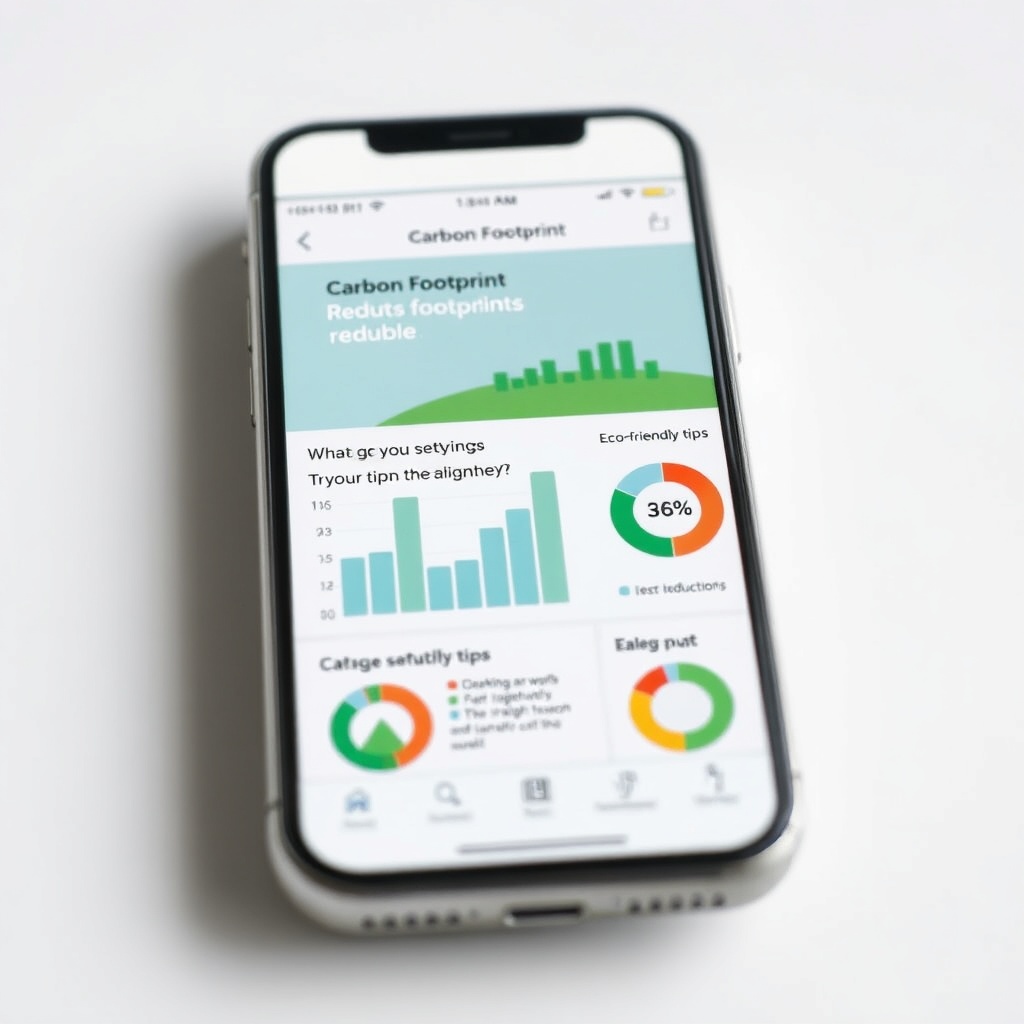
Carbon footprint reduction apps help individuals track and cut their personal emissions, typically by connecting to bank transaction data, utility accounts, or manual logging to estimate a footprint across categories like transportation, home energy, food, and shopping — then offering tips, challenges, or offset options to act on what the numbers show.
- Apps that connect to bank transaction data offer the least effort but the roughest accuracy, since spending categories are an imperfect proxy for actual emissions.
- Manual-logging apps give more accurate category-specific data but require ongoing user effort that many people abandon over time.
- The most useful apps focus on identifying a user’s few highest-impact categories rather than overwhelming with dozens of minor line items.
- Apps work best as an awareness and habit tool, not a precise personal emissions accounting system — treat the numbers as directional, not exact.
How carbon footprint reduction apps typically work
| Approach | How it estimates footprint | Trade-off |
|---|---|---|
| Bank transaction linking | Estimates emissions from spending categories | Low effort, rougher accuracy |
| Manual logging | User enters specific activities/purchases | More accurate, higher effort, common drop-off |
| Utility account connection | Pulls actual home energy usage data | Accurate for home energy specifically |
| Hybrid approach | Combines automated data with periodic manual input | Balances effort and accuracy |
Why bank-transaction-based estimates are rough
Apps that estimate emissions from spending categories (a restaurant charge, a gas station purchase, an online order) are convenient because they require no manual entry, but the underlying math is genuinely approximate — spending amount is an imperfect proxy for actual emissions, since two purchases in the same category can have very different real carbon footprints. These apps are best understood as giving a directional, ballpark estimate rather than a precise personal emissions inventory.
Why the best apps focus on a few big levers
The most genuinely useful carbon footprint apps resist the temptation to present dozens of granular categories and instead help users identify their small number of highest-impact areas — usually transportation (especially flying and driving), home energy, and diet — since for most people, a handful of categories drive the large majority of their personal footprint, and focusing effort there beats spreading attention thin across minor line items that barely move the total.
What these apps are actually good for
Personal carbon footprint apps are most valuable as an awareness and habit-formation tool — helping someone notice patterns, set reduction goals, and track progress over time — rather than as a precise accounting system suitable for offsetting claims or formal reporting. Users who treat the numbers as directional guidance for where to focus effort tend to get more genuine value than those expecting exact, audit-grade personal emissions figures.
Sources and Further Reading
How accurate are carbon footprint reduction apps?
Accuracy varies significantly by method — bank-transaction-based apps give rough, directional estimates since spending is an imperfect emissions proxy, while manual-logging or utility-connected apps can be more precise for specific categories.
Which categories matter most for a personal carbon footprint app?
For most people, transportation (especially flying and driving), home energy, and diet drive the large majority of their personal footprint, so the most useful apps focus attention there rather than spreading across dozens of minor categories.
Do people actually stick with manual-logging carbon apps?
Often not for long — manual logging gives more accurate category-specific data but requires ongoing user effort that many people abandon over time, a common trade-off versus lower-effort automated tracking methods.
Can I use a carbon footprint app for official offsetting claims?
Generally no — these apps are best treated as directional awareness and habit-formation tools, not precise, audit-grade accounting suitable for formal offsetting claims or corporate-style reporting.
Do these apps connect to bank accounts?
Many do, using linked transaction data to estimate emissions by spending category, trading lower user effort for rougher accuracy compared to apps requiring manual activity logging.
Are carbon footprint apps worth using?
They can be genuinely useful for building awareness and identifying a few high-impact areas to focus on, as long as users treat the resulting numbers as directional guidance rather than precise personal emissions accounting.
Related Posts



1 Comment
"Reducing my carbon footprint felt overwhelming until I found these apps. Easy to use and so helpful in making eco-friendly choices!"
Leave a Comment
Your comment will be published after it has been approved. Please send comments that do not contain slang words.