
Carbon Emissions Monitoring Satellites: How They Actually Work
Updated September 2, 2026 · 2 min read
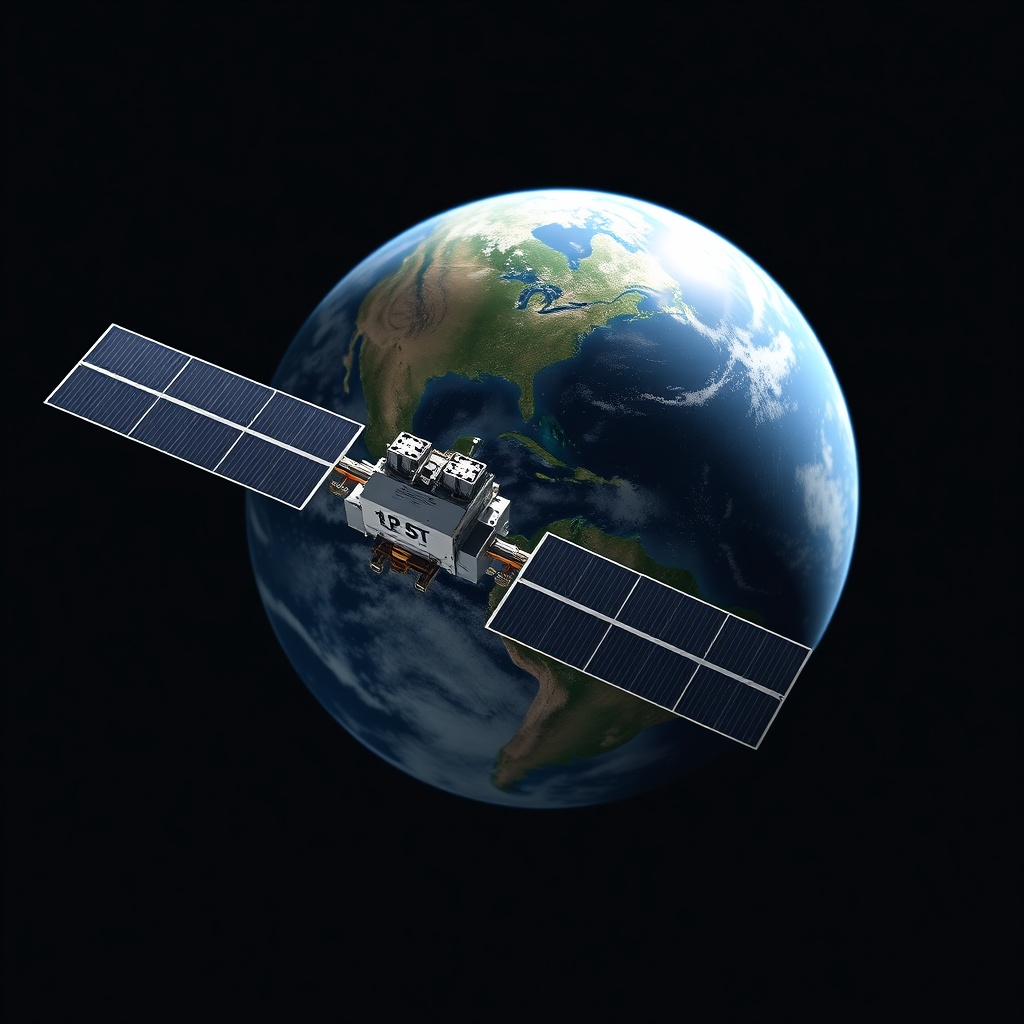
Carbon emissions monitoring satellites track greenhouse gas concentrations from orbit, offering something ground-based monitoring never could: consistent, global-scale measurement that can spot emissions sources (and detect when self-reported numbers don’t match reality) anywhere on the planet, including regions with little or no ground monitoring infrastructure at all.
- Satellite monitoring can detect specific large point-source emitters, like major methane leaks, that self-reported inventories sometimes miss entirely.
- Dedicated missions (like NASA’s OCO-2/OCO-3 and various commercial methane-tracking satellites) now provide near-continuous global emissions data.
- Satellite data is increasingly used to independently verify national and corporate emissions claims, adding a layer of accountability self-reporting alone doesn’t provide.
- Resolution and detection limits mean satellites are better at spotting large, concentrated emissions sources than diffuse, small-scale ones.
What carbon emissions monitoring satellites actually measure
| Capability | What it detects | Why it matters |
|---|---|---|
| Atmospheric CO2 concentration | Global and regional CO2 levels | Tracks overall trend independent of self-reporting |
| Methane plume detection | Large point-source methane leaks (oil/gas infrastructure) | Catches leaks self-reported inventories often miss |
| Regional emissions patterns | Emissions hotspots by geography | Reveals discrepancies with official national inventories |
Why methane leak detection has become a headline use case
Methane is a far more potent greenhouse gas than CO2 over shorter timeframes, and it turns out oil and gas infrastructure leaks significantly more of it than industry self-reporting had suggested — a gap satellite monitoring has repeatedly exposed by directly detecting large methane plumes from specific facilities. This has made satellite-based methane detection one of the most immediately actionable applications of emissions monitoring from orbit, since it can point regulators and companies to specific, fixable leak sources.
How satellites are changing emissions accountability
Self-reported emissions data, whether from countries or companies, has always carried an inherent trust problem — there’s limited independent verification. Satellite monitoring provides an increasingly important check on this: when satellite-measured atmospheric concentrations or point-source detections don’t match official inventories, that discrepancy becomes visible and hard to dismiss, adding real accountability pressure that pure self-reporting never carried on its own.
The real limits of satellite monitoring
Satellite emissions monitoring isn’t a complete solution on its own: current resolution and detection sensitivity make it much better suited to spotting large, concentrated emissions sources (a major methane leak, an industrial facility) than diffuse, small-scale emissions spread across many minor sources, which still require ground-based or self-reported data to capture accurately. The technology is a powerful complement to existing measurement methods, not a full replacement for them.
Sources and Further Reading
How do carbon emissions monitoring satellites work?
These satellites measure atmospheric greenhouse gas concentrations from orbit, offering consistent global-scale monitoring that can detect emissions sources and concentrations anywhere on the planet, including regions with little ground monitoring infrastructure.
Can satellites detect specific methane leaks?
Yes — satellite-based methane detection has repeatedly identified large plumes from specific oil and gas facilities, exposing leaks that industry self-reported inventories had significantly undercounted.
Are satellites replacing self-reported emissions data?
Not entirely — satellites are better suited to detecting large, concentrated emissions sources than diffuse small-scale ones, so they function as an increasingly important independent check on self-reported data rather than a full replacement.
What is NASA’s OCO satellite mission?
The Orbiting Carbon Observatory (OCO-2 and OCO-3) missions measure atmospheric CO2 concentrations from orbit, providing near-continuous global data used to track emissions trends and verify reported figures.
Why does satellite monitoring matter for emissions accountability?
When satellite-measured emissions don’t match official self-reported inventories, that discrepancy becomes visible and difficult to dismiss, adding independent verification pressure that self-reporting alone never carried.
Can satellites detect small, spread-out emissions sources?
Not as reliably — current resolution and detection sensitivity make satellites much more effective at spotting large, concentrated sources like major methane leaks than diffuse emissions from many small, scattered sources.
Related Posts



Leave a Comment
Your comment will be published after it has been approved. Please send comments that do not contain slang words.