
Urban Heat Island Effect
Updated September 2, 2026 · 2 min read
Table of Contents
- Causes of Urban Heat Island Effect
- Impacts on Energy Consumption
- Mitigation Strategies
- Regional Variations
- Frequently Asked Questions
Causes of Urban Heat Island Effect
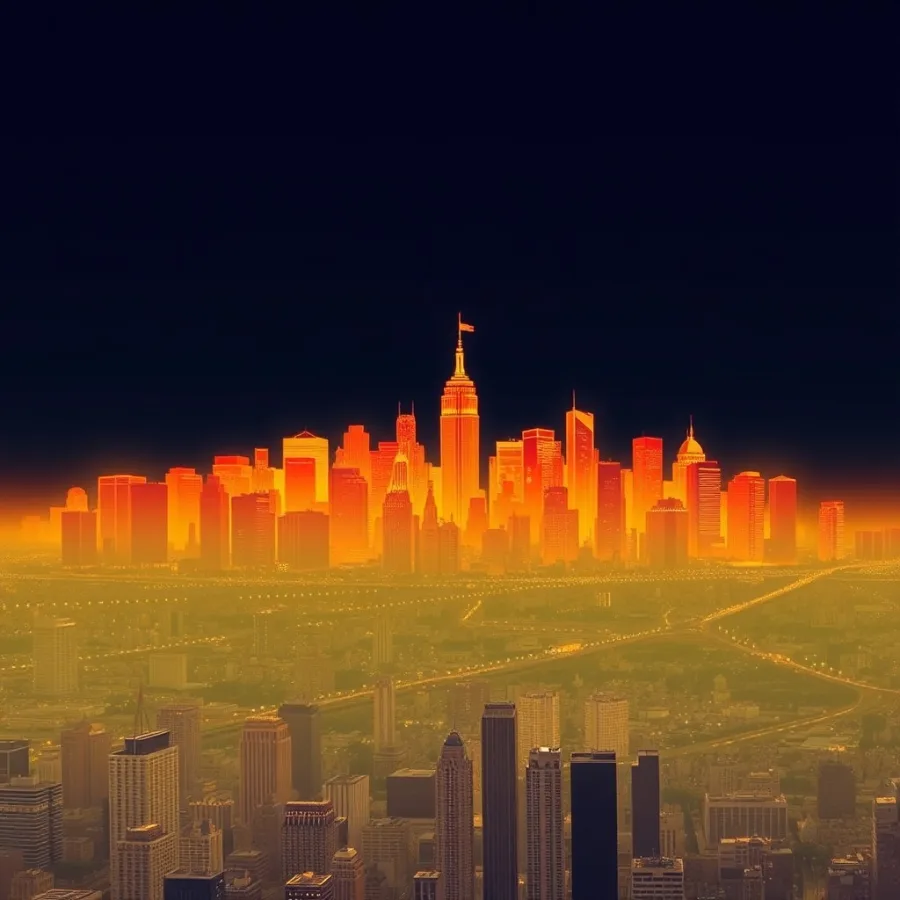
One of the primary causes of the Urban Heat Island Effect is the high concentration of impervious surfaces in urban areas, such as asphalt and concrete, which absorb and retain heat. This leads to elevated temperatures compared to vegetated rural areas. Additionally, human activities like transportation, industrial processes, and energy consumption contribute to the release of heat-trapping gases, further exacerbating the heat island effect.
- https://zerocarbondrive.com/diesel-vs-electric-emissions/
- https://zerocarbondrive.com/smart-traffic-systems/
- https://zerocarbondrive.com/car-co2-emissions/
- https://zerocarbondrive.com/urban-mobility-trends/
Impacts on Energy Consumption
The Urban Heat Island Effect can significantly increase energy demand for cooling in urban areas, leading to higher electricity consumption and associated greenhouse gas emissions. Buildings in heat-affected areas require more energy for air conditioning during hot seasons, resulting in higher costs and environmental impacts.
Mitigation Strategies
To address the Urban Heat Island Effect, cities are implementing various mitigation strategies, such as increasing green spaces, promoting sustainable transportation options, and adopting cool roof technologies. These measures can help reduce surface temperatures, improve air quality, and enhance urban livability.
Regional Variations
- US: In the United States, urban heat islands are more pronounced in densely populated cities with limited green spaces, leading to increased energy consumption for cooling.
- EU: European cities are implementing innovative urban planning strategies to mitigate the heat island effect and promote sustainable urban development.
- China: Rapid urbanization in China has resulted in significant heat island effects in major cities, prompting the adoption of green infrastructure and energy-efficient building designs.
- India: Indian cities face challenges related to heat islands, leading to initiatives focused on urban greening and climate-resilient infrastructure.
Related guides: Urban Transport Emissions, urban sprawl carbon emissions and Efficient Urban Logistics.
Frequently Asked Questions
How does the Urban Heat Island Effect impact public health?
The Urban Heat Island Effect can exacerbate heat-related illnesses and heat stress among vulnerable populations, highlighting the importance of heat mitigation strategies in cities.
What role does urban vegetation play in mitigating the heat island effect?
Green spaces and urban vegetation help absorb heat, provide shade, and reduce surface temperatures, thereby mitigating the urban heat island effect and enhancing urban biodiversity.
Is the Urban Heat Island Effect influenced by climate change?
Climate change can amplify the Urban Heat Island Effect by increasing overall temperatures and extreme heat events, making it crucial for cities to adapt and implement resilient urban planning strategies.
How can sustainable transportation systems contribute to reducing the Urban Heat Island Effect?
By promoting public transit, cycling infrastructure, and electric vehicles, cities can reduce emissions and heat generation from transportation, contributing to mitigating the Urban Heat Island Effect and improving urban air quality.
TAGS: urban heat island effect, energy consumption, mitigation strategies, urban planning, sustainable cities
Sources and Further Reading
Related Posts
1 Comment
"Learned a lot about Urban Heat Island Effect. Great insights on mitigation strategies. Impressed with the knowledge shared!"
Leave a Comment
Your comment will be published after it has been approved. Please send comments that do not contain slang words.