
Green Freight
Updated September 2, 2026 · 3 min read
Green Freight is a crucial aspect of the transportation industry that focuses on reducing carbon emissions and promoting sustainability. In this article, we will delve into the various technologies, challenges, and future prospects of green freight in the context of electric vehicles, clean energy, future mobility, and sustainable technology.
Technology Overview
Green freight relies on the use of electric vehicles, renewable energy sources, and advanced logistics solutions to minimize environmental impact. Electric trucks, delivery vans, and cargo bikes are becoming increasingly popular in urban areas, offering a cleaner alternative to traditional diesel-powered vehicles.
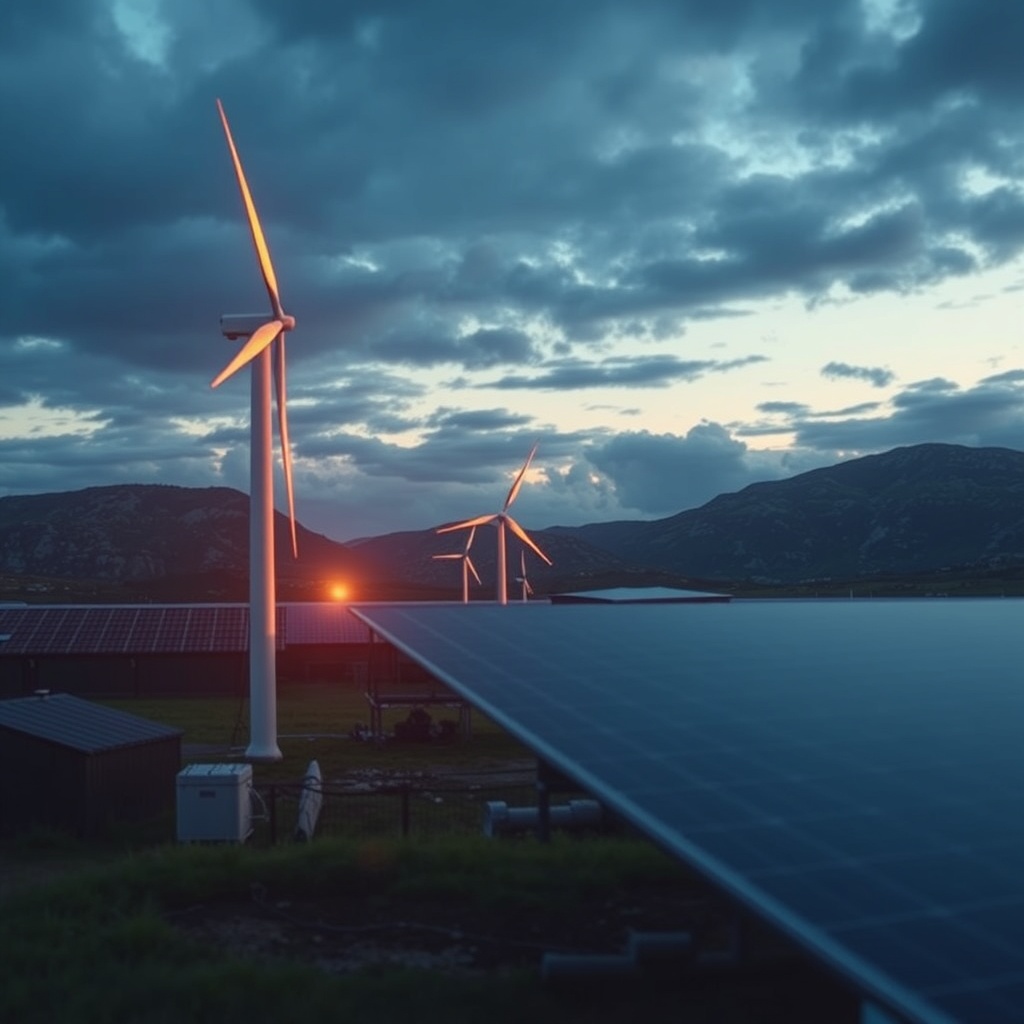
Renewable energy infrastructure plays a key role in supporting green freight operations. Solar panels, wind turbines, and energy storage systems help power electric vehicles and charging stations, reducing reliance on fossil fuels.
Market and Industry Context
The shift towards green freight is driven by a growing awareness of climate change, air pollution, and the need for sustainable transportation solutions. Governments, businesses, and consumers are increasingly demanding eco-friendly logistics services to reduce their carbon footprint.
- Increased demand for electric vehicles
- Rising investments in renewable energy
- Regulatory support for sustainable transportation
Technical Explanation
Electric trucks and vans are equipped with high-capacity batteries that can be charged using solar or wind power. Energy management systems optimize charging schedules and routes to maximize efficiency and reduce costs.
Advanced telematics and GPS technologies enable real-time monitoring of vehicle performance, energy consumption, and emissions. Data analytics tools help fleet operators optimize their operations and reduce environmental impact.
Regional GEO Analysis
The adoption of green freight varies across different regions, with some countries leading the way in sustainable transportation practices. The USA, Europe, China, the Middle East, and India each have unique challenges and opportunities in transitioning to green freight.
- USA: Strong government incentives for electric vehicles
- Europe: Extensive network of charging stations
- China: Rapid growth of electric vehicle market
Investor and Commercial Perspective
Investors are increasingly interested in funding green freight projects that offer long-term sustainability and profitability. Companies that embrace eco-friendly transportation solutions can gain a competitive edge and attract environmentally conscious customers.
Commercial fleet operators are exploring partnerships with renewable energy providers and technology companies to enhance their green freight capabilities. Collaborative efforts are essential to accelerate the transition to sustainable logistics.
Installation or Deployment Challenges
One of the main challenges in deploying green freight solutions is the lack of charging infrastructure for electric vehicles. Fleet operators need access to reliable and fast-charging stations to support their operations and meet customer demands.
Another challenge is the high upfront cost of electric trucks and vans compared to traditional diesel vehicles. Financial incentives, subsidies, and leasing options can help mitigate these costs and encourage more companies to invest in green freight.
Future Predictions
The future of green freight looks promising, with continued advancements in battery technology, renewable energy integration, and smart logistics solutions. Electric vehicles are expected to dominate the freight industry, offering a cleaner and more sustainable alternative to diesel-powered trucks.
Detailed Comparison Table
| Category | Details | Impact |
| Electric Vehicles | Zero-emission transportation | Reduced carbon footprint |
| Renewable Energy | Solar, wind, and energy storage | Powering green freight operations |
Related Topics
Explore more about electric vehicle technology and its impact on green freight.
Learn how renewable energy sources are revolutionizing the transportation industry.
External Resources
For more information on green freight initiatives, visit the following authoritative sources:
Related guides: Future of Freight Transit, Reducing Freight Emissions and Efficient Freight Routing.
Frequently Asked Questions
How do electric trucks reduce carbon emissions?
Electric trucks produce zero tailpipe emissions, helping to reduce greenhouse gas emissions and improve air quality in urban areas.
What role does renewable energy play in green freight?
Renewable energy sources such as solar and wind power are used to charge electric vehicles and support sustainable transportation practices.
Are there financial incentives for adopting green freight solutions?
Many governments offer subsidies, tax credits, and grants to encourage the adoption of electric vehicles and renewable energy technologies in the freight industry.
What are the main challenges of transitioning to green freight?
Key challenges include the high cost of electric vehicles, limited charging infrastructure, and the need for skilled technicians to maintain and repair green freight vehicles.
How can companies measure the environmental impact of their green freight operations?
Companies can use emissions tracking software, telematics systems, and energy consumption data to monitor and analyze the environmental performance of their green freight operations.
Final Industry Outlook
Green freight is poised to transform the transportation industry, offering a sustainable and environmentally friendly alternative to traditional diesel-powered vehicles. With ongoing technological advancements and increased awareness of climate change, the future of green freight looks bright.
Related Posts


Leave a Comment
Your comment will be published after it has been approved. Please send comments that do not contain slang words.