
Electric Truck Charging
Updated September 2, 2026 · 2 min read
Electric Truck Charging
Electric truck charging is a critical aspect of the transportation industry’s shift towards sustainability. As more companies invest in electric vehicles to reduce their carbon footprint, the need for efficient and reliable charging infrastructure becomes paramount. This article delves into the complexities of electric truck charging, exploring the challenges, solutions, and future trends in this rapidly evolving sector.
Advancements in Charging Technology
The advancement of electric truck charging technology has been a game-changer in the industry. High-power charging stations are now capable of delivering fast and efficient charging to heavy-duty electric vehicles, significantly reducing downtime for truck operators. Additionally, the development of smart charging solutions enables fleet managers to optimize charging schedules based on electricity prices, grid demand, and vehicle usage patterns.
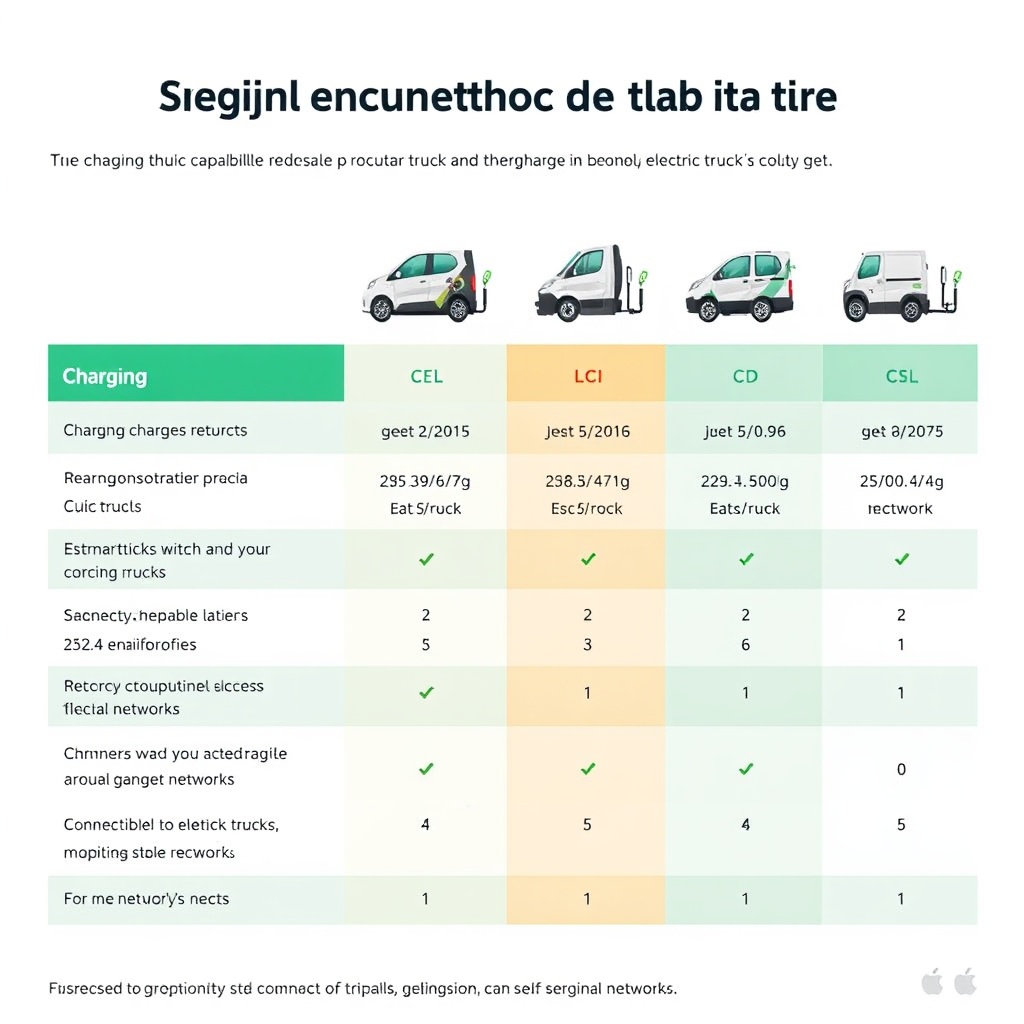
One of the key challenges in electric truck charging is the lack of standardized charging infrastructure. With multiple charging protocols and connector types in use, interoperability issues can arise, hindering the widespread adoption of electric trucks. Industry stakeholders are working towards establishing common standards to ensure seamless compatibility between different charging networks, making it easier for truck operators to access charging facilities nationwide.
The Role of Renewable Energy
Renewable energy sources play a crucial role in powering electric truck charging stations sustainably. By integrating solar, wind, or hydroelectric power into the grid, charging infrastructure can reduce its carbon footprint even further. In some regions, incentives and subsidies are available to encourage the deployment of renewable energy solutions for electric vehicle charging, creating a more environmentally friendly and cost-effective charging ecosystem.
As the demand for electric trucks continues to grow, the need for reliable and scalable charging infrastructure becomes increasingly pressing. Collaborations between government agencies, utilities, and private sector companies are essential to develop a robust charging network that can support the widespread adoption of electric trucks. By investing in smart charging solutions, renewable energy integration, and standardized infrastructure, the transportation industry can accelerate the transition towards a cleaner and more sustainable future.
Related guides: Electric Truck TCO Guide, diesel vs electric truck emissions, Truck Emissions Explained
Sources and Further Reading
Related Posts


Leave a Comment
Your comment will be published after it has been approved. Please send comments that do not contain slang words.