
Efficient Urban Logistics
Updated September 2, 2026 · 4 min read
Urban logistics play a crucial role in the efficient movement of goods within cities. With the rise of electric vehicles and clean energy solutions, the future of urban logistics is set to transform dramatically. In this article, we will delve into the various aspects of efficient urban logistics and the impact of electric vehicles, clean energy, future mobility, and sustainable technology on this sector.
Technology Overview
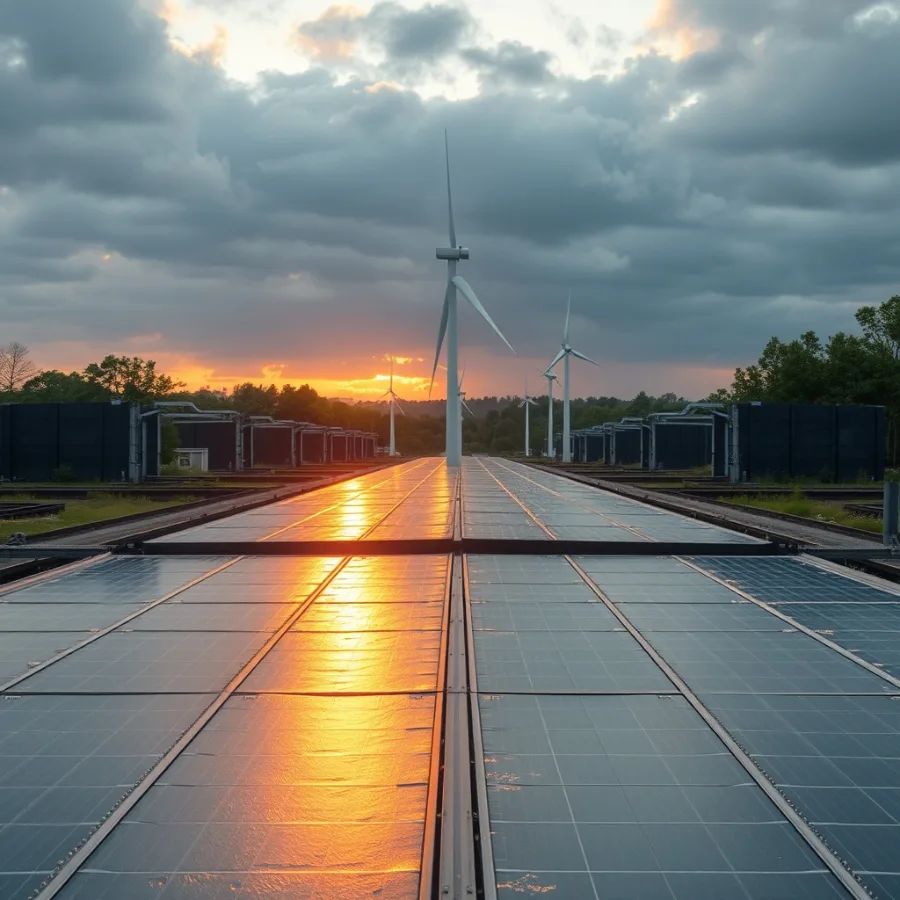
The integration of electric vehicles, renewable energy sources, and smart technologies is revolutionizing urban logistics. Electric vehicles offer a sustainable and environmentally friendly alternative to traditional diesel-powered trucks, reducing emissions and noise pollution in urban areas. Clean energy solutions such as solar power and energy storage systems are being utilized to power electric vehicles, further enhancing their sustainability.
Smart technologies, including route optimization software, real-time tracking systems, and autonomous vehicles, are improving the efficiency of urban logistics operations. These technologies enable businesses to streamline their delivery processes, reduce costs, and minimize environmental impact.
Market and Industry Context
The urban logistics industry is experiencing rapid growth due to the increasing demand for e-commerce and same-day delivery services. This growth has led to challenges such as congestion, air pollution, and inefficient delivery routes. Electric vehicles and clean energy solutions offer a sustainable way to address these challenges and create a more efficient urban logistics system.
- Electric vehicles reduce emissions and noise pollution in urban areas.
- Clean energy solutions power electric vehicles sustainably.
- Smart technologies improve delivery processes and reduce costs.
Technical Explanation
Electric vehicles operate using electric motors powered by rechargeable batteries. These batteries can be charged using electricity from the grid or renewable energy sources such as solar power. Energy storage systems store excess energy generated from renewable sources, ensuring a continuous power supply for electric vehicles.
Smart technologies utilize data analytics and artificial intelligence to optimize delivery routes, predict traffic patterns, and improve overall operational efficiency. Autonomous vehicles, equipped with sensors and cameras, can navigate urban environments safely and efficiently, reducing the need for human intervention.
Regional GEO Analysis
The adoption of electric vehicles and clean energy solutions varies across different regions. In the USA, initiatives such as the Zero Emission Vehicle Program promote the use of electric vehicles for urban logistics. In Europe, cities like Amsterdam and Oslo have implemented strict emission regulations, incentivizing the use of electric vehicles.
- USA: Zero Emission Vehicle Program encourages electric vehicle adoption.
- Europe: Amsterdam and Oslo implement strict emission regulations.
- China: Leading the way in electric vehicle production and adoption.
Investor and Commercial Perspective
Investors are increasingly interested in funding electric vehicle startups and clean energy projects that support urban logistics. Commercial businesses are investing in electric vehicle fleets and charging infrastructure to reduce operating costs and demonstrate their commitment to sustainability.
Collaborations between logistics companies, vehicle manufacturers, and energy providers are driving innovation in the urban logistics sector. These partnerships are essential for developing integrated solutions that meet the unique challenges of urban delivery operations.
Installation or Deployment Challenges
Despite the benefits of electric vehicles and clean energy solutions, there are challenges to their widespread adoption in urban logistics. Limited charging infrastructure, high upfront costs, and range limitations are barriers that need to be addressed. Additionally, the integration of autonomous vehicles and drones into delivery operations requires regulatory approval and public acceptance.
- Limited charging infrastructure poses a challenge for electric vehicle adoption.
- High upfront costs deter businesses from investing in electric vehicle fleets.
- Range limitations affect the operational efficiency of electric vehicles.
Future Predictions
The future of urban logistics will be shaped by advancements in electric vehicle technology, clean energy solutions, and smart logistics systems. As battery technology improves and charging infrastructure expands, electric vehicles will become more affordable and accessible for businesses. Autonomous vehicles and drones will play a larger role in last-mile delivery, further optimizing urban logistics operations.
Detailed Comparison Table
| Category | Details | Impact |
| Electric Vehicles | Reduce emissions and noise pollution | Improve air quality in urban areas |
| Clean Energy Solutions | Solar power and energy storage systems | Power electric vehicles sustainably |
| Smart Technologies | Route optimization software and real-time tracking | Improve delivery processes and reduce costs |
Related Topics
Explore more about electric vehicle technology, renewable energy solutions, and smart logistics systems.
External Resources
For more information, visit NREL and IEA for the latest research on urban logistics and clean energy technologies.
Related guides: Drone Delivery Systems and Urban Logistics, Efficient Freight Routing and Logistics Energy Savings.
Frequently Asked Questions
How do electric vehicles benefit urban logistics?
Electric vehicles reduce emissions, noise pollution, and operating costs for urban logistics operations.
What are the challenges of integrating clean energy solutions into urban logistics?
Challenges include limited charging infrastructure, high upfront costs, and range limitations for electric vehicles.
How do smart technologies improve urban logistics efficiency?
Smart technologies optimize delivery routes, predict traffic patterns, and reduce operational costs for urban logistics businesses.
What role do investors play in the transition to electric vehicles for urban logistics?
Investors fund electric vehicle startups and clean energy projects, driving innovation in the urban logistics industry.
What are the future trends in urban logistics and sustainable technology?
The future of urban logistics will be shaped by advancements in electric vehicle technology, clean energy solutions, and smart logistics systems.
Final Industry Outlook
The future of urban logistics is bright, with electric vehicles, clean energy solutions, and smart technologies leading the way towards a more sustainable and efficient delivery system. By embracing these innovations and overcoming deployment challenges, businesses can enhance their operational efficiency, reduce environmental impact, and drive positive change in urban logistics.
Related Posts

Leave a Comment
Your comment will be published after it has been approved. Please send comments that do not contain slang words.