
Last-Mile Delivery Tech
Updated September 2, 2026 · 2 min read
The world of logistics and supply chain management has seen a significant transformation with the rise of last-mile delivery technology. This crucial aspect of the delivery process focuses on the final leg of the journey, from the distribution center to the end customer. In this article, we will delve deep into the realm of last-mile delivery tech, exploring its impact, benefits, challenges, and future trends.
Evolution of Last-Mile Delivery Tech
The evolution of last-mile delivery technology has been rapid and game-changing. From traditional methods of manual tracking and paper-based systems, we now have advanced route optimization software, real-time tracking systems, and autonomous delivery vehicles. These innovations have revolutionized the efficiency and speed of deliveries, leading to improved customer satisfaction and reduced operational costs for businesses.
One of the key benefits of last-mile delivery technology is its ability to optimize delivery routes, minimize fuel consumption, and reduce carbon emissions. With the increasing focus on sustainability and environmental impact, companies are turning to technology to create more eco-friendly delivery solutions. By leveraging data analytics and AI-driven algorithms, businesses can streamline their delivery operations and make greener choices for the planet.
Challenges and Solutions in Last-Mile Delivery
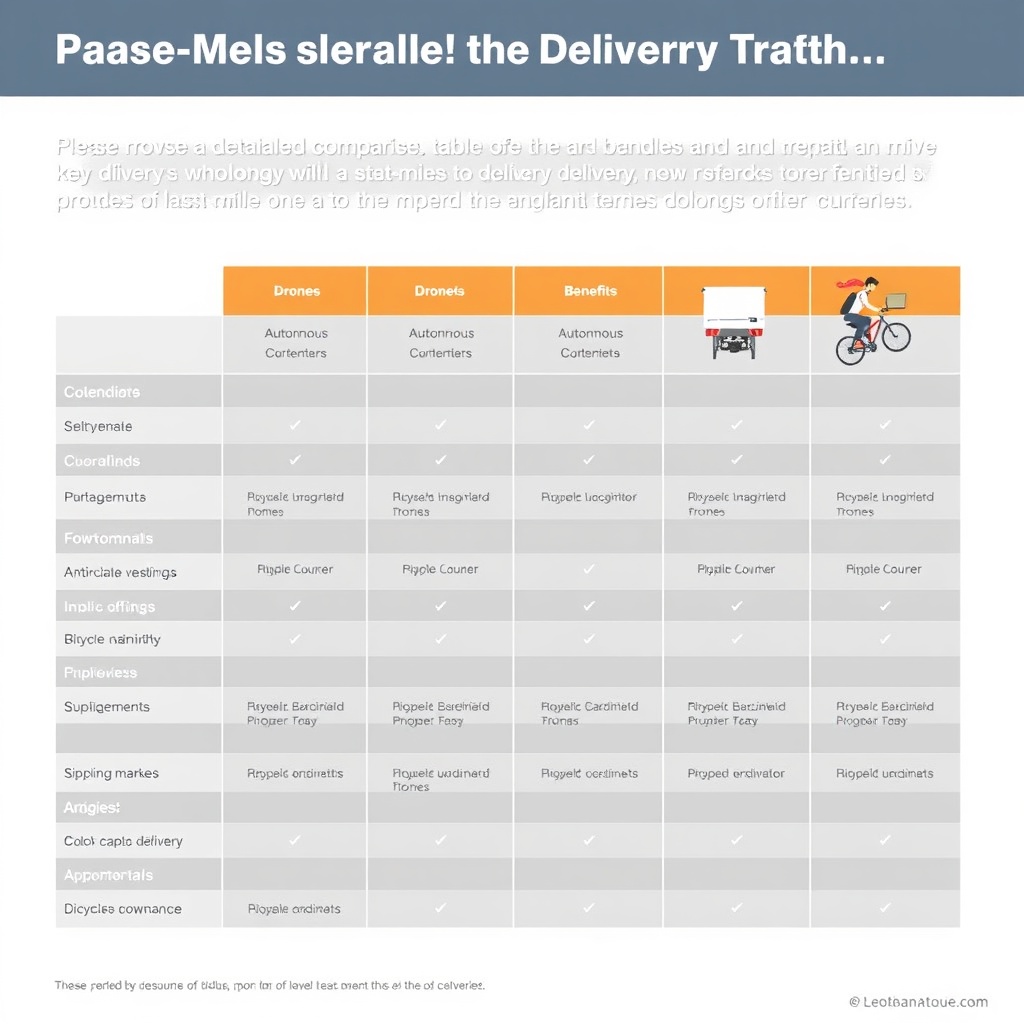
Despite the numerous advantages of last-mile delivery technology, there are also challenges that companies face in implementing these solutions. Issues such as traffic congestion, urban density, and customer expectations pose significant hurdles for efficient last-mile delivery. However, innovative approaches like crowdshipping, drones, and micro-fulfillment centers are emerging as viable solutions to overcome these obstacles.
In urban areas where congestion and limited parking spaces are common, companies are exploring alternative delivery methods such as bicycle couriers and electric cargo bikes. These eco-friendly modes of transportation not only reduce traffic congestion but also offer faster delivery times in dense urban environments. By adapting to the unique challenges of last-mile delivery in cities, businesses can stay ahead of the competition and meet the growing demands of urban customers.
Future Trends and Innovations in Last-Mile Delivery
Looking ahead, the future of last-mile delivery technology is filled with exciting innovations and trends. Autonomous delivery vehicles, robotic warehouses, and contactless delivery options are shaping the next generation of logistics solutions. With the rise of e-commerce and the increasing demand for same-day or next-day deliveries, companies are investing in technology to enhance their delivery capabilities and stay competitive in the market.
As the industry continues to evolve, collaboration between logistics companies, retailers, and technology providers will be crucial for driving innovation and meeting the changing needs of consumers. By embracing the latest advancements in last-mile delivery technology and adopting a customer-centric approach, businesses can create seamless, efficient delivery experiences that set them apart in a crowded marketplace.
Related guides: Last-Mile Delivery Emissions, Future of last-mile delivery, Electric Delivery Vans
Sources and Further Reading
Related Posts

Leave a Comment
Your comment will be published after it has been approved. Please send comments that do not contain slang words.