
Smart Traffic Management
Updated August 31, 2026 · 2 min read
As urban populations continue to grow, the need for smart traffic management solutions becomes increasingly vital. Leveraging technology and data analytics, smart traffic management systems aim to optimize traffic flow, reduce congestion, and enhance overall urban mobility. By implementing real-time monitoring, predictive algorithms, and adaptive signal controls, cities can efficiently manage traffic patterns and improve the quality of life for their residents.
How do smart traffic management systems work
Smart traffic management systems utilize sensors, cameras, and connected devices to gather real-time data on traffic flow, congestion levels, and road conditions. This data is then analyzed using advanced algorithms to optimize signal timings, adjust lane configurations, and provide alternative routes to drivers. By dynamically responding to changing traffic conditions, these systems improve overall traffic efficiency and reduce travel times.
What are the benefits of smart traffic management
The implementation of smart traffic management systems offers numerous benefits, including reduced congestion, lower emissions, improved safety, and increased productivity. By minimizing stop-and-go traffic patterns, these systems help to decrease fuel consumption and greenhouse gas emissions, contributing to a more sustainable urban environment. Additionally, by enhancing the safety of road users through real-time monitoring and automated alerts, smart traffic management systems play a crucial role in accident prevention and emergency response.
How do smart traffic management systems contribute to sustainable cities
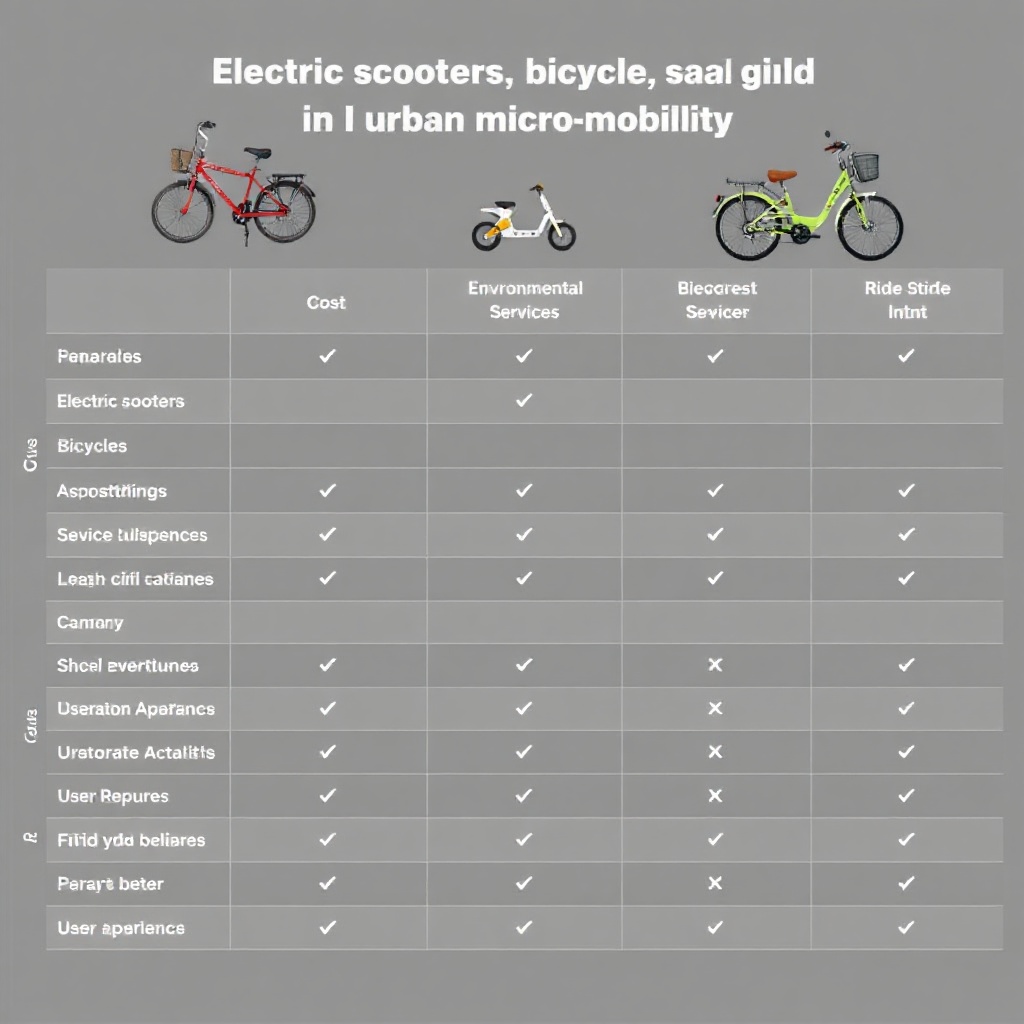
Smart traffic management systems play a key role in creating sustainable cities by promoting efficient transportation networks, reducing reliance on single-occupancy vehicles, and encouraging the use of alternative modes of transportation. By prioritizing public transit, cycling infrastructure, and pedestrian-friendly designs, these systems help to reduce the environmental impact of transportation and create more livable urban spaces. Furthermore, by optimizing traffic flow and reducing congestion, smart traffic management systems support economic growth, improve air quality, and enhance the overall quality of life for city residents.
What are the challenges of implementing smart traffic management systems
While smart traffic management systems offer significant benefits, there are challenges associated with their implementation, including high upfront costs, technical complexity, and interoperability issues. Additionally, privacy concerns related to data collection and sharing must be carefully addressed to ensure the protection of individual rights. Collaborative efforts between government agencies, technology providers, and transportation stakeholders are essential to overcoming these challenges and successfully implementing smart traffic management solutions.
In conclusion, smart traffic management systems play a crucial role in optimizing urban mobility, reducing congestion, and creating sustainable cities. By harnessing the power of technology and data analytics, cities can improve traffic flow, enhance safety, and promote more efficient and environmentally friendly transportation networks. With continued innovation and collaboration, smart traffic management systems have the potential to revolutionize urban transportation and create a more sustainable future for all.
Related guides: Smart Traffic Management Systems Explained, Smart Traffic Systems, Smart City Traffic Tips
Sources and Further Reading
Related Posts
Leave a Comment
Your comment will be published after it has been approved. Please send comments that do not contain slang words.