
MaaS Platforms Explained
Updated September 2, 2026 · 2 min read
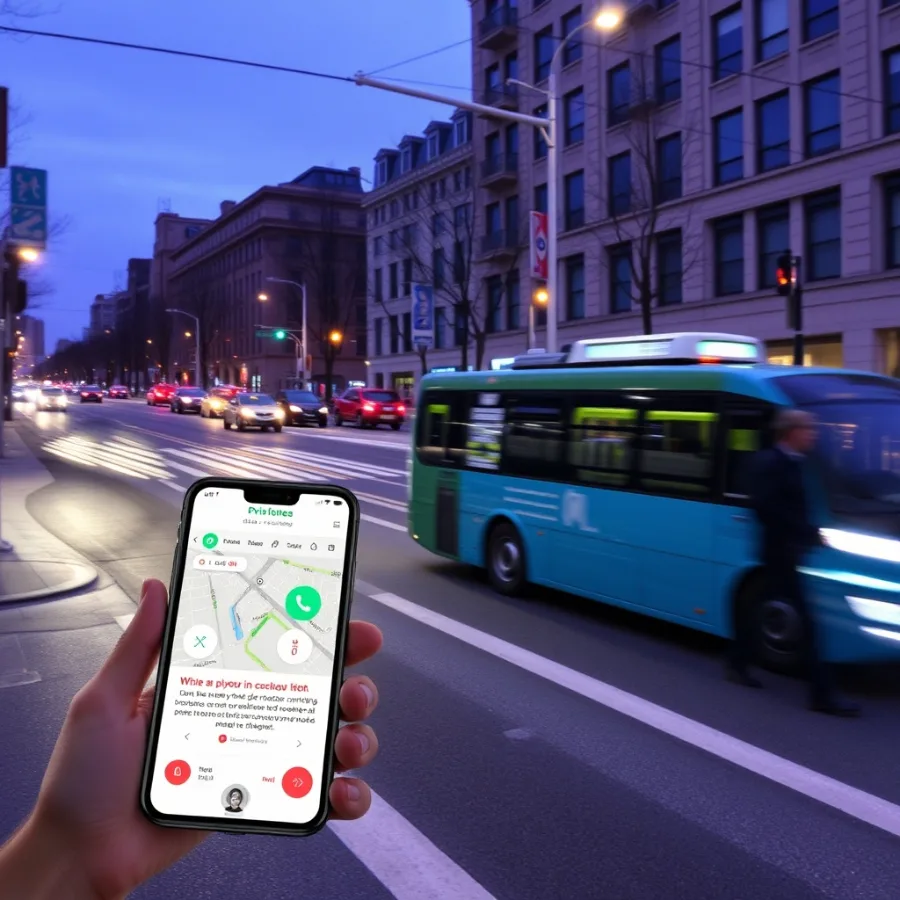
Mobility as a Service (MaaS) platforms are revolutionizing the way we move around cities. These digital solutions bring together various transportation options, from buses and trains to ride-sharing services and bike rentals, all under one convenient platform. By integrating different modes of transport, MaaS platforms aim to provide users with seamless, efficient, and sustainable urban mobility solutions.
The Rise of MaaS Platforms
MaaS platforms have seen a rapid rise in popularity in recent years, driven by the increasing need for sustainable transportation solutions in urban areas. With the rise of congestion, pollution, and the need for more efficient ways to move around cities, MaaS platforms offer a comprehensive solution for commuters. These platforms not only help users plan their journeys but also provide real-time information on transit options, prices, and availability.
How MaaS Platforms Work
At the core of MaaS platforms is the concept of mobility integration. Users can access multiple modes of transport through a single app, allowing them to plan, book, and pay for their journeys seamlessly. By aggregating different transportation services, MaaS platforms offer users flexibility, convenience, and cost-effectiveness. This integrated approach not only benefits commuters but also contributes to reducing traffic congestion and emissions in cities.
Benefits of Using MaaS Platforms
One of the key advantages of MaaS platforms is the convenience they offer to users. With just a few clicks, commuters can access a wide range of transportation options, eliminating the need to juggle multiple apps or payment methods. Additionally, MaaS platforms promote sustainability by encouraging the use of public transport, cycling, and walking, reducing reliance on private cars and lowering carbon emissions.
The Future of Urban Mobility
As cities continue to grow and face challenges related to transportation, MaaS platforms are set to play a crucial role in shaping the future of urban mobility. By providing users with personalized, efficient, and sustainable transportation options, these platforms have the potential to transform the way we move around cities and create a more connected, accessible, and environmentally friendly urban landscape.
Related guides: The Rise of Mobility-as-a-Service (MaaS) and How It Replaces Car Ownership, The Rise of Mobility-as-a-Service Platforms, Smart Traffic Systems
Sources and Further Reading
Related Posts

Leave a Comment
Your comment will be published after it has been approved. Please send comments that do not contain slang words.