
Sustainable city transit models
Updated September 2, 2026 · 2 min read
Sustainable city transit models are crucial for reducing carbon emissions and creating a more environmentally friendly urban environment. As a team, we have explored various innovative approaches to improve public transportation and promote eco-conscious commuting habits.
Ridesharing Initiatives
One effective way to enhance sustainable city transit is through ridesharing initiatives. By encouraging carpooling and shared mobility services, we can reduce the number of vehicles on the road, decrease traffic congestion, and lower greenhouse gas emissions. Our city has successfully implemented ridesharing programs to provide convenient and cost-effective transportation options for residents.
Bike-Friendly Infrastructure
Creating bike-friendly infrastructure is another key aspect of sustainable urban transportation. Installing bike lanes, bike-sharing stations, and secure parking facilities promotes cycling as a viable transportation mode. Our community has invested in expanding bike paths and cycling infrastructure to encourage more people to choose biking as a sustainable and healthy way to travel.
Electric Public Transportation
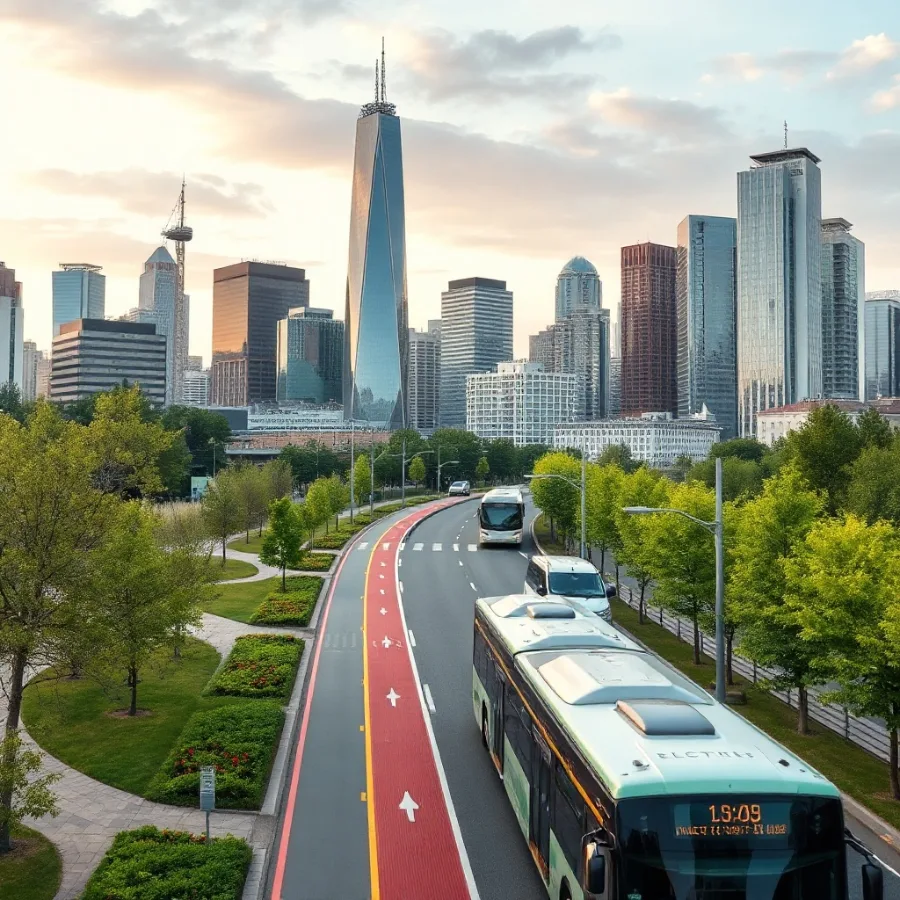
Transitioning to electric public transportation systems is a significant step towards sustainability. By replacing traditional diesel buses with electric ones, we can significantly reduce air pollution and noise levels in our city. Our public transit agency has introduced electric buses into its fleet, leading the way in eco-friendly transportation solutions.
Green Spaces and Pedestrian Zones
Designing cities with ample green spaces and pedestrian-only zones promotes active transportation and a healthier urban lifestyle. By creating walkable neighborhoods and enhancing public parks, we can encourage residents to walk more and reduce their dependence on cars. Our city planning department has prioritized the development of green corridors and pedestrian-friendly areas to improve the overall quality of life for our community.
Smart Traffic Management
Implementing smart traffic management systems helps optimize traffic flow and reduce emissions from idling vehicles. By utilizing real-time data and advanced technologies, we can improve traffic efficiency and minimize environmental impact. Our city has adopted smart traffic lights, intelligent routing systems, and congestion pricing strategies to create a more sustainable urban transportation network.
Related guides: Sustainable City Transit, Technological shifts in urban transit, Hyperloop Technology and High-Speed Transit Systems
Sources and Further Reading
Related Posts

Leave a Comment
Your comment will be published after it has been approved. Please send comments that do not contain slang words.