
Solar power for EV charging
Updated September 2, 2026 · 2 min read
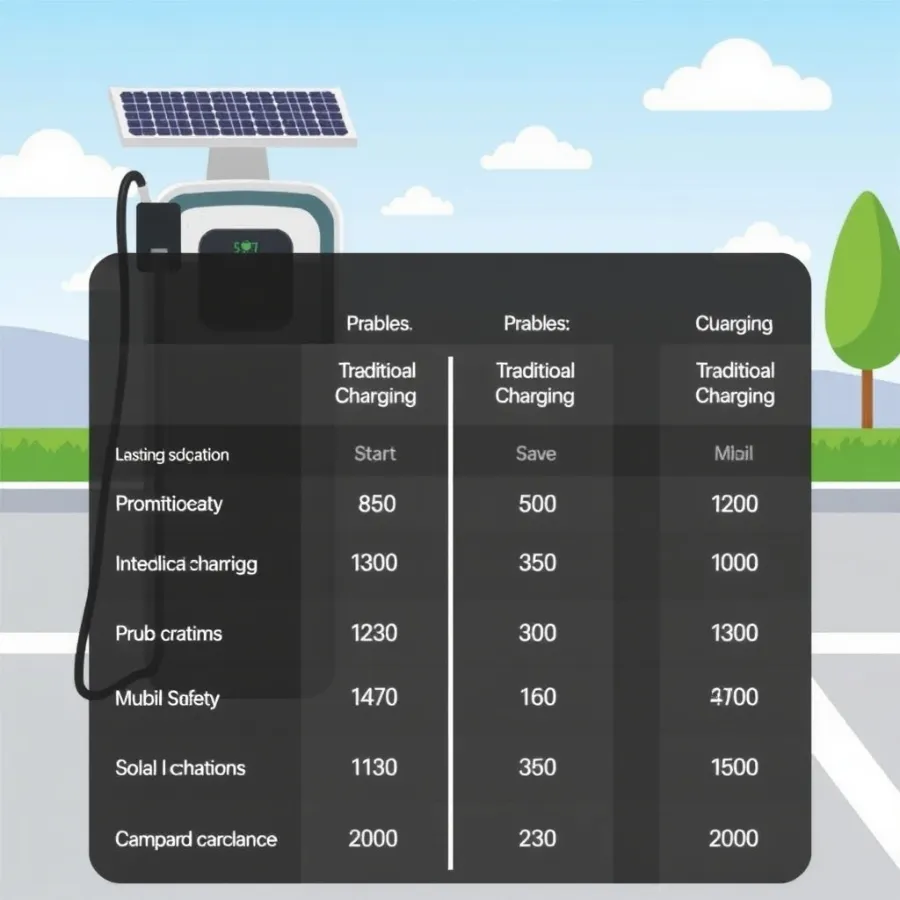
As we navigate the ever-evolving landscape of renewable energy, the integration of solar power for electric vehicle (EV) charging stands out as a promising solution for a sustainable future. By harnessing the power of the sun to fuel our transportation needs, we not only reduce our carbon footprint but also pave the way for a cleaner and more efficient mode of transport.
Harnessing Solar Energy for EV Charging
The concept of using solar power to charge electric vehicles involves installing solar panels on rooftops or carports to generate electricity. This renewable energy is then used to charge EV batteries, providing a green and cost-effective way to fuel our cars. With advancements in solar technology, the efficiency and affordability of solar panels have significantly improved, making it a viable option for eco-conscious consumers.
One of the key benefits of solar-powered EV charging is its environmental impact. By utilizing clean energy from the sun, we reduce our reliance on fossil fuels, leading to lower greenhouse gas emissions and a healthier planet. Additionally, solar power offers energy independence, allowing EV owners to charge their vehicles at home or work without depending on traditional power sources.
Advantages of Solar-Powered EV Charging Stations
Solar-powered EV charging stations offer a range of advantages, including financial savings and energy resilience. By generating electricity on-site, EV owners can reduce their energy costs and take advantage of government incentives for renewable energy installations. Moreover, during power outages or emergencies, solar panels provide a reliable source of energy for charging vehicles, ensuring uninterrupted mobility.
Furthermore, the scalability of solar-powered EV charging infrastructure makes it suitable for various settings, from residential homes to commercial parking lots and public charging stations. This flexibility allows for the widespread adoption of electric vehicles without straining the existing power grid, ultimately contributing to a more sustainable transportation system.
Overcoming Challenges and Maximizing Efficiency
While solar-powered EV charging presents numerous benefits, challenges such as variable weather conditions and limited sunlight hours need to be addressed to maximize efficiency. Innovative solutions like energy storage systems and smart charging technologies can help store excess solar energy for later use and optimize charging schedules based on energy availability.
By integrating these technologies and implementing effective energy management strategies, we can enhance the performance and reliability of solar-powered EV charging systems. Additionally, continued research and development in solar energy storage and EV technology will drive further advancements in sustainable transportation solutions.
In conclusion, the integration of solar power for EV charging represents a significant step towards a cleaner and greener future. By leveraging the power of the sun to fuel our vehicles, we can reduce emissions, enhance energy resilience, and promote sustainable mobility. As we embrace renewable energy solutions like solar-powered EV charging, we move closer to a more environmentally conscious and sustainable transportation ecosystem.
Related guides: Solar power for home charging, Solar Powered EV Charging, Solar EV Charging
Sources and Further Reading
Related Posts

Leave a Comment
Your comment will be published after it has been approved. Please send comments that do not contain slang words.