
Green Urban Travel Hacks
Updated September 2, 2026 · 3 min read
- Green urban travel hacks that actually work focus on replacing short car trips, not eliminating driving entirely.
- Trip-chaining (combining errands into one drive) cuts emissions almost as much as switching vehicles for many households.
- Off-peak and route-timing tricks lower both emissions and time wasted sitting in traffic.
- The highest-leverage hack is usually the boring one: walk or bike the under-1-mile trips you’re currently driving.
The most effective green urban travel hacks aren’t about buying anything new — they’re about changing which trips you drive versus walk, bike, combine, or time differently. Small routing and timing changes compound fast in a city, where most trips are short enough that the “best” vehicle is often no vehicle at all.
Start With Your Shortest Trips
| Trip distance | Best low-emission option |
|---|---|
| Under 1 mile | Walk — often faster than parking a car anyway |
| 1-3 miles | Bike or e-bike, especially with protected lanes nearby |
| 3-8 miles | Transit or bike share if available; carpool otherwise |
| 8+ miles | Trip-chain (combine errands) to cut total driven miles |
A large share of urban car trips fall in that first two rows — short enough that switching mode has almost zero downside besides habit.
Trip-Chaining: The Underrated Hack

Instead of four separate round trips for groceries, the pharmacy, the post office, and picking up dry cleaning, plan one loop that hits all four. Trip-chaining cuts total miles driven — and the emissions that come with cold engine starts, which are disproportionately dirty compared to a warmed-up engine on a longer single trip.
Timing Tricks That Actually Help
| Hack | Why it works |
|---|---|
| Avoid peak-hour driving when possible | Stop-and-go traffic burns significantly more fuel per mile than free-flowing traffic |
| Off-peak EV charging | Cheaper and often cleaner grid mix overnight in many regions |
| Combine remote-work days with car-free days | Removes a commute entirely rather than just shortening it |
Use What’s Already There

Most cities already have underused infrastructure: bike share docks, transit lines running half-empty off-peak, park-and-ride lots. The “hack” isn’t building anything new — it’s actually using capacity that already exists instead of defaulting to a solo car trip out of habit.
Make the Switch Easier on Yourself
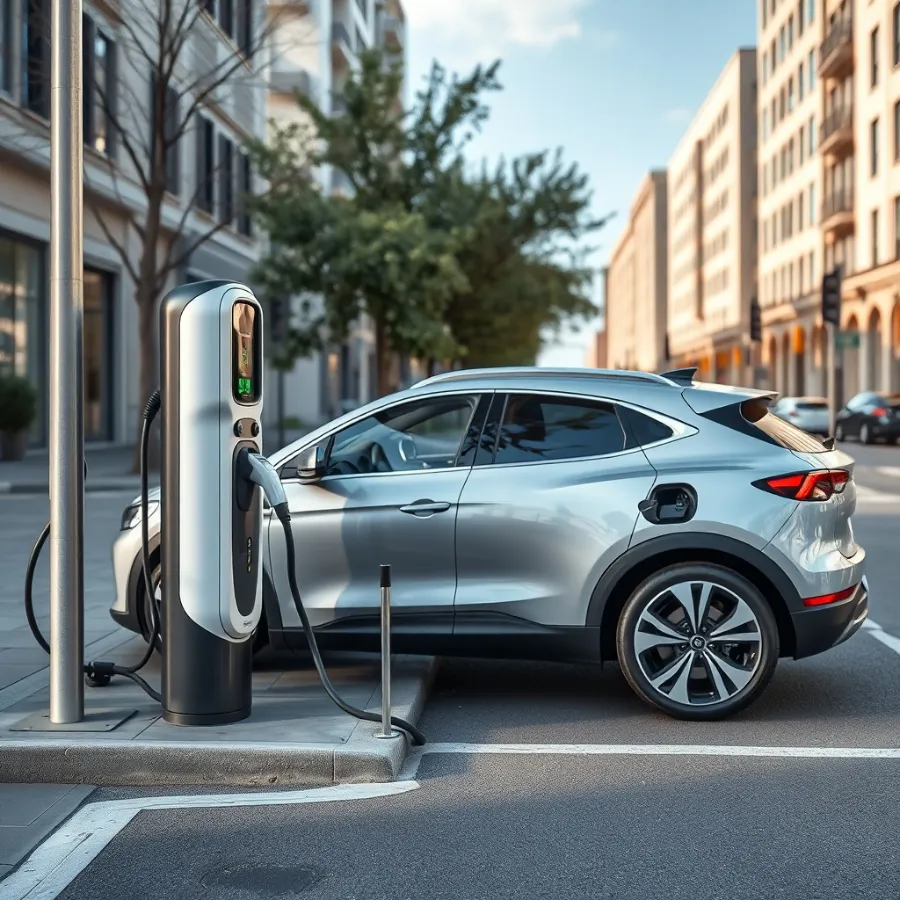
- Keep a bike or scooter charged and accessible near the door — friction kills good intentions.
- Pre-load a transit app so route/schedule checking takes seconds, not minutes.
- Pick one recurring short trip (school run, gym, coffee) to convert first rather than trying to overhaul everything at once.
One-Minute Recap
- Walk trips under 1 mile, bike trips under 3 — these are the highest-leverage green urban travel hacks.
- Trip-chain errands into one loop instead of several short drives.
- Avoid peak-hour stop-and-go driving when your schedule allows it.
- Use existing bike share/transit capacity instead of defaulting to solo car trips.
electric bike maintenance basics is worth a closer look for the full picture.
What are the most effective green urban travel hacks?
Walking trips under a mile, biking trips under three miles, trip-chaining errands into a single loop, and avoiding peak-hour stop-and-go driving are the highest-leverage changes for most urban households.
Does trip-chaining really reduce emissions?
Yes. Combining several short errands into one loop cuts total miles driven and avoids repeated cold engine starts, which burn disproportionately more fuel per mile than a warmed-up engine.
Is walking faster than driving for short trips?
For trips under about a mile in a city, walking is often comparable to or faster than driving once you account for finding parking, especially during busy hours.
Why does timing matter for driving emissions?
Stop-and-go traffic during peak hours burns significantly more fuel per mile than free-flowing traffic, so shifting non-essential trips outside rush hour reduces both emissions and time lost.
Do I need an e-bike for green urban travel hacks to work?
No. A regular bike covers most short urban trips fine; an e-bike simply extends the comfortable range and makes hillier or longer trips more realistic to replace with cycling.
What’s the easiest green urban travel hack to start with?
Pick one recurring short trip you already make often — a school run, gym visit, or coffee run — and convert just that one to walking or biking first, rather than trying to change every trip at once.
Sources and Further Reading
Related Posts
Leave a Comment
Your comment will be published after it has been approved. Please send comments that do not contain slang words.