
Future of electric vehicles
Updated September 2, 2026 · 4 min read
As the world transitions towards sustainable technology, the future of electric vehicles plays a crucial role in shaping the clean energy landscape. With advancements in battery technology, charging infrastructure, and government incentives, electric vehicles are poised to revolutionize the automotive industry.
Technology Overview
Electric vehicles operate using electric motors powered by rechargeable battery packs. These vehicles produce zero tailpipe emissions, reducing air pollution and dependence on fossil fuels. The development of high-capacity batteries has extended the driving range of electric vehicles, making them a viable option for daily commuting and long-distance travel.
The integration of smart technology in electric vehicles enables features such as regenerative braking, energy-efficient heating and cooling systems, and remote vehicle monitoring through mobile apps.
Market and Industry Context
The electric vehicle market is experiencing rapid growth, driven by increasing consumer awareness of environmental issues and government regulations promoting clean transportation. Major automakers are investing heavily in electric vehicle production, with a focus on innovation and sustainability.
- Government incentives for electric vehicle purchases
- Expansion of charging infrastructure
- Collaboration between automakers and technology companies
Technical Explanation
Electric vehicles utilize lithium-ion batteries to store and supply power to the electric motor. The battery management system regulates the flow of electricity, optimizing performance and efficiency. Electric vehicle charging stations offer fast charging capabilities, reducing charging times and enhancing convenience for drivers.
- Regenerative braking captures and stores energy during deceleration
- Vehicle-to-grid technology enables bidirectional energy flow between vehicles and the grid
- Advanced driver assistance systems enhance safety and driving experience
Regional GEO Analysis
Electric vehicle adoption varies across regions, with some countries leading in infrastructure development and policy support. The USA, Europe, China, Middle East, and India are key markets for electric vehicles, each with unique challenges and opportunities.
- USA: Strong government incentives driving electric vehicle sales
- Europe: Emphasis on sustainable transportation solutions
- China: Leading market for electric vehicle production and sales
Investor and Commercial Perspective
Investors are increasingly turning towards clean energy investments, including electric vehicle companies. Commercial fleets are transitioning to electric vehicles to reduce operating costs and carbon emissions. The electric vehicle industry presents lucrative opportunities for investors and businesses looking to capitalize on the shift towards sustainable transportation.
- Cost savings from lower maintenance and fuel expenses
- Corporate sustainability goals driving electric vehicle adoption
- Government contracts and incentives for electric fleet purchases
Installation or Deployment Challenges
Challenges in deploying electric vehicle charging infrastructure include high upfront costs, limited availability of fast charging stations, and grid capacity constraints. Addressing these challenges is essential to support the widespread adoption of electric vehicles and ensure seamless charging experiences for drivers.
- Need for standardized charging protocols
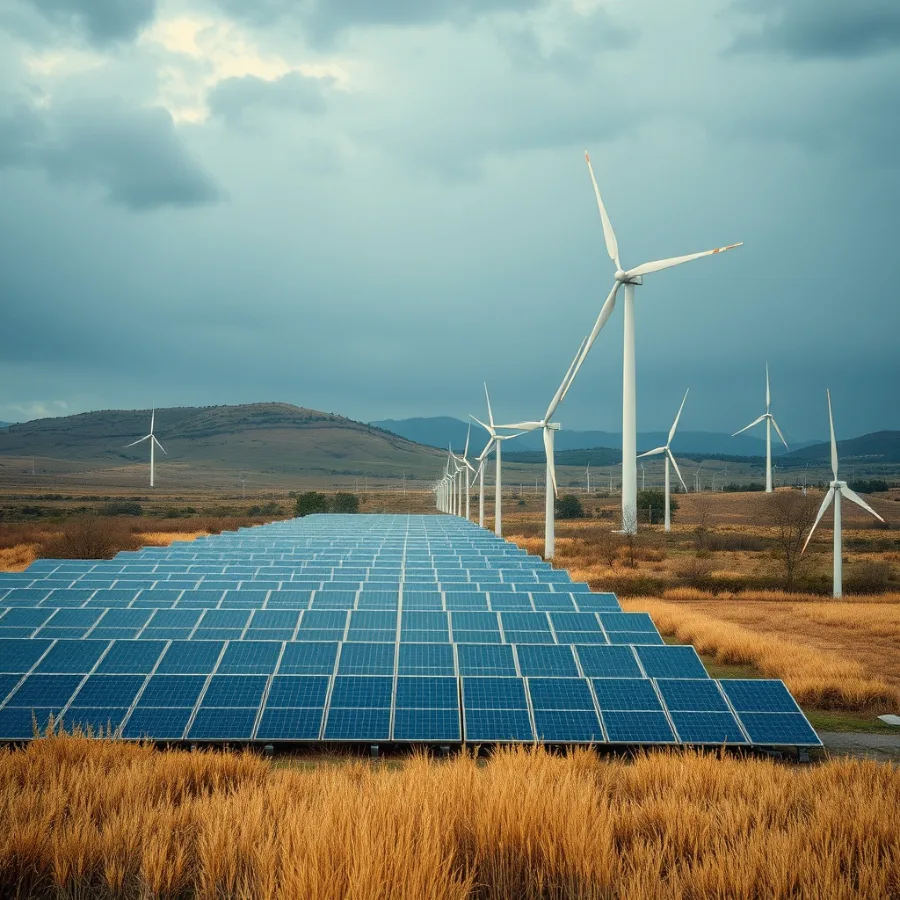
- Integration of renewable energy sources for charging stations
- Urban planning considerations for charging station placement
Future Predictions
The future of electric vehicles holds immense potential for innovation and growth. Continued advancements in battery technology, vehicle efficiency, and autonomous driving capabilities will drive the widespread adoption of electric vehicles. The shift towards clean transportation is expected to accelerate, leading to a sustainable and environmentally friendly mobility ecosystem.
Detailed Comparison Table
| Category | Details | Impact |
| Range | Electric vehicles offer varying driving ranges based on battery capacity | Extended range reduces range anxiety and increases vehicle usability |
| Charging Speed | Fast charging stations provide rapid recharging for electric vehicles | Quick charging times enhance convenience for drivers |
| Cost | Electric vehicles have higher upfront costs but lower operating expenses | Long-term savings on fuel and maintenance costs |
Related Topics
Learn more about the latest advancements in electric vehicle technology.
Discover how electric vehicles are reshaping the automotive industry.
Explore the future of sustainable transportation with electric vehicles.
External Resources
For more information on electric vehicle market trends, visit NREL.
Explore the latest research on electric vehicle adoption at IEA.
Related guides: The Future of Autonomous Electric Vehicles, Future of autonomous vehicles and Are electric vehicles better for environment.
Frequently Asked Questions
How does regenerative braking work?
Regenerative braking captures kinetic energy during braking and stores it in the battery for later use.
What are the benefits of electric vehicles?
Electric vehicles reduce air pollution, dependence on fossil fuels, and operating costs for drivers.
Are electric vehicles suitable for long-distance travel?
Modern electric vehicles offer extended driving ranges and fast charging capabilities, making them suitable for long trips.
How can I charge my electric vehicle at home?
You can install a home charging station or use a standard electrical outlet to charge your electric vehicle at home.
What is the environmental impact of electric vehicles?
Electric vehicles produce zero tailpipe emissions, reducing greenhouse gas emissions and improving air quality.
Final Industry Outlook
The future of electric vehicles is bright, with continued innovation and investment driving the transition towards sustainable transportation. As electric vehicle technology advances and adoption rates increase, the automotive industry is poised for a greener and more efficient future.
Related Posts

Leave a Comment
Your comment will be published after it has been approved. Please send comments that do not contain slang words.