
Do EVs Save Money
Updated September 2, 2026 · 3 min read
Table of Contents
- Advantages of Electric Vehicles
- Total Cost of Ownership Comparison
- Charging Costs vs. Fuel Costs
- Regional Differences in EV Savings
- Frequently Asked Questions
Advantages of Electric Vehicles
Electric vehicles offer several advantages over traditional internal combustion engine vehicles. One major benefit is their lower operating costs due to the efficiency of electric motors and the lower cost of electricity compared to gasoline or diesel. Additionally, EVs have fewer moving parts, reducing the need for maintenance and resulting in potential long-term savings.
- Zero Carbon Drive: Learn more about diesel vs. electric emissions
- Smart Traffic Systems: Discover how EVs integrate with smart traffic systems
- Car CO2 Emissions: Understand the impact of EVs on car CO2 emissions
Total Cost of Ownership Comparison
When evaluating the total cost of ownership for an EV versus a traditional vehicle, it’s essential to consider not only the upfront purchase price but also factors such as fuel or charging costs, maintenance, insurance, and resale value. While EVs may have a higher initial cost, they can often make up for it through lower operating expenses over time.
Total Cost of Ownership = Purchase Price + (Fuel/Charging Costs + Maintenance + Insurance) – Resale Value
| Cost Category | EV | Gasoline/Diesel |
|---|---|---|
| Purchase Price | Higher | Lower |
| Fuel/Charging Costs | Lower | Higher |
| Maintenance | Lower | Higher |
| Resale Value | Higher | Lower |
Factors Influencing EV Savings
- Battery life and depreciation rates play a crucial role in determining the long-term cost-effectiveness of EVs.
- Government incentives and rebates can significantly reduce the upfront cost of purchasing an EV.
- Advancements in technology are driving down the prices of EV components, making them more affordable over time.
Charging Costs vs. Fuel Costs
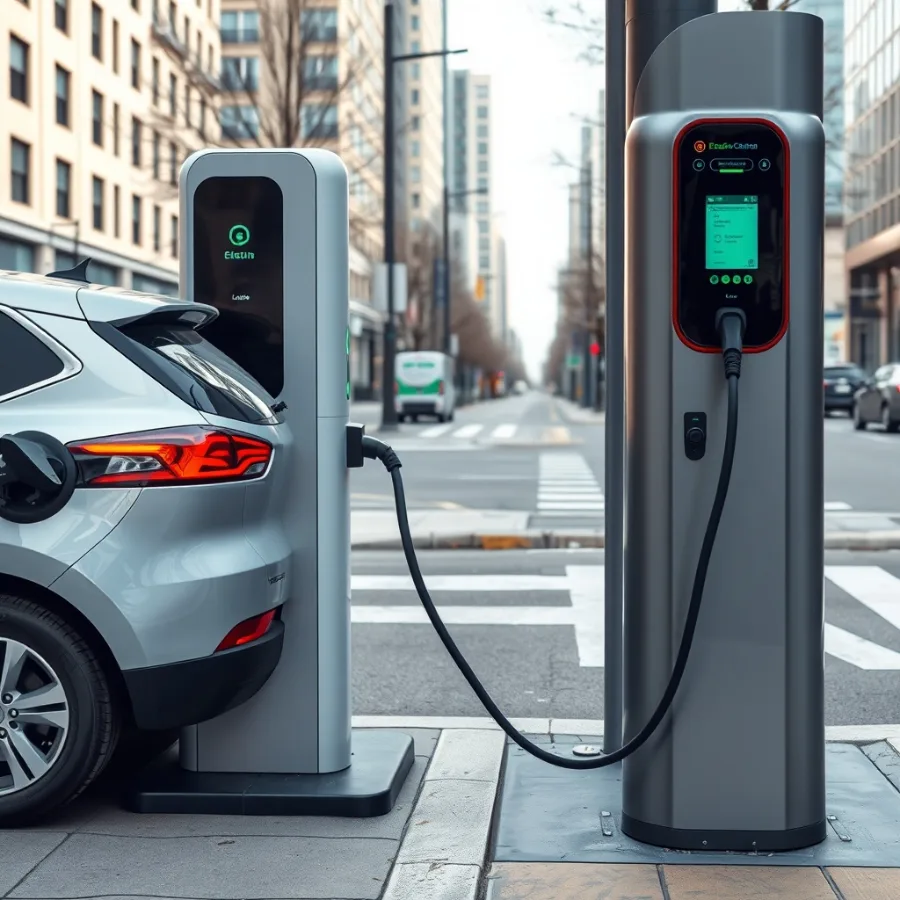
One of the key considerations for EV owners is the cost of charging compared to traditional fuel costs. While electricity prices vary by region, EV drivers generally pay less per mile driven compared to gasoline or diesel vehicles. Factors such as home charging, public charging infrastructure availability, and time-of-use electricity rates can impact the overall charging costs for EVs.
Regional Differences in EV Savings
- US: Incentives and tax credits for EVs vary by state, affecting the overall cost savings for owners.
- EU: Strict emissions regulations drive the adoption of EVs, influencing their cost competitiveness.
- China: Government initiatives promote EV adoption, leading to significant cost savings for consumers.
- India: Emerging market with growing interest in electric mobility, facing challenges in infrastructure development.
Related guides: EV Tax Credits and Government Incentives: How to Save Money on Your Next EV Purchase, How to save energy in your EV and Are EVs Worth It.
Frequently Asked Questions
Are EVs truly cost-effective in the long run?
Yes, EVs can be cost-effective over time due to lower operating costs and potential savings on fuel and maintenance.
Do government incentives make a significant difference in EV affordability?
Government incentives and rebates can make EVs more affordable by reducing the upfront cost for buyers.
How do charging costs compare to fuel costs for EV owners?
Charging costs for EVs are generally lower than fuel costs for gasoline or diesel vehicles, offering potential savings for drivers.
Is battery replacement a major expense for EV owners?
Battery replacement costs are decreasing as technology advances, making them a less significant financial burden for EV owners.
TAGS: electric vehicles, cost savings, total cost of ownership, charging costs, regional differences, government incentives
Sources and Further Reading
Related Posts


Leave a Comment
Your comment will be published after it has been approved. Please send comments that do not contain slang words.