
Reducing City Congestion
Updated September 2, 2026 · 2 min read
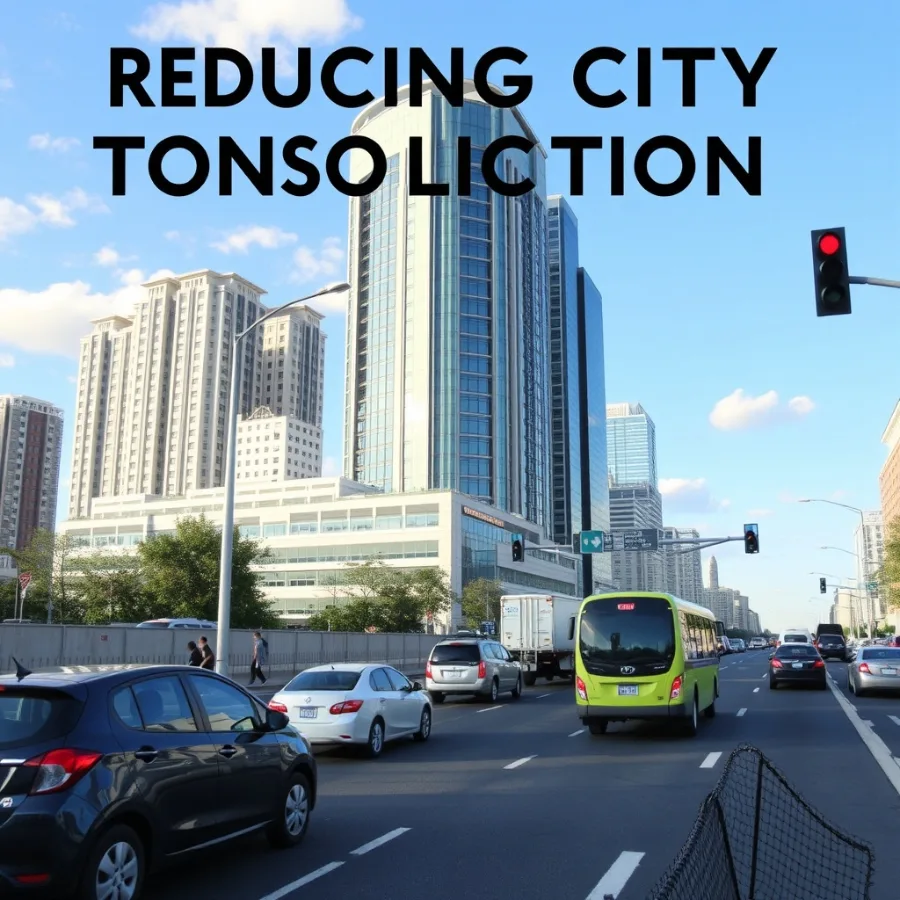
In bustling urban areas worldwide, city congestion is a pressing issue affecting millions daily. As populations grow and economies thrive, the strain on transportation infrastructure intensifies. However, innovative solutions are emerging to alleviate this burden and create more sustainable urban environments. By exploring various strategies and technologies, cities can effectively reduce congestion and improve the quality of life for residents.
Smart Traffic Management Systems
Implementing smart traffic management systems is a key strategy in reducing city congestion. These systems utilize real-time data and advanced algorithms to optimize traffic flow, reduce bottlenecks, and minimize delays. By synchronizing traffic signals, adjusting speed limits, and rerouting vehicles based on traffic conditions, cities can significantly improve overall traffic efficiency. Such systems not only enhance the commuting experience but also reduce fuel consumption and emissions, contributing to a greener environment.
Promoting Public Transportation
Encouraging the use of public transportation is another effective way to combat city congestion. Investing in reliable and extensive public transit networks provides residents with viable alternatives to driving. By offering affordable fares, convenient routes, and efficient services, cities can incentivize people to leave their cars at home and opt for buses, trains, or subways. Public transportation not only reduces traffic congestion but also lowers air pollution and promotes social equity by ensuring transportation access for all residents.
Embracing Carpooling and Ridesharing
Carpooling and ridesharing services play a crucial role in reducing the number of vehicles on the road. By connecting commuters heading in the same direction, these services help maximize vehicle occupancy and minimize traffic volume. Carpooling not only decreases congestion but also reduces parking demand, fuel consumption, and carbon emissions. In addition, ridesharing platforms offer convenient alternatives to private car ownership, promoting a shared mobility culture that benefits both individuals and the environment.
Investing in Sustainable Infrastructure
Building sustainable infrastructure is essential for long-term congestion reduction. Constructing dedicated lanes for buses, bicycles, and pedestrians can improve traffic flow and create safer, more accessible urban environments. Moreover, integrating smart technologies such as adaptive traffic signals, electric vehicle charging stations, and bike-sharing systems can further enhance transportation efficiency and reduce environmental impacts. By investing in sustainable infrastructure, cities can create a more resilient and mobility-friendly future for all residents.
Leveraging Data Analytics and Predictive Modeling
Utilizing data analytics and predictive modeling can provide valuable insights for managing city congestion effectively. By analyzing traffic patterns, commuter behaviors, and infrastructure performance, cities can identify bottlenecks, predict congestion hotspots, and implement targeted interventions. Advanced analytics tools enable authorities to make data-driven decisions, optimize resource allocation, and improve overall transportation efficiency. By harnessing the power of data, cities can proactively address congestion challenges and enhance urban mobility for everyone.
Related guides: Reducing orbital congestion risks, Reducing Commute Carbon, Sustainable City Transit
Sources and Further Reading
Related Posts


Leave a Comment
Your comment will be published after it has been approved. Please send comments that do not contain slang words.