
Carbon Emissions From Wildfires: The Real 2026 Numbers
Updated September 2, 2026 · 2 min read
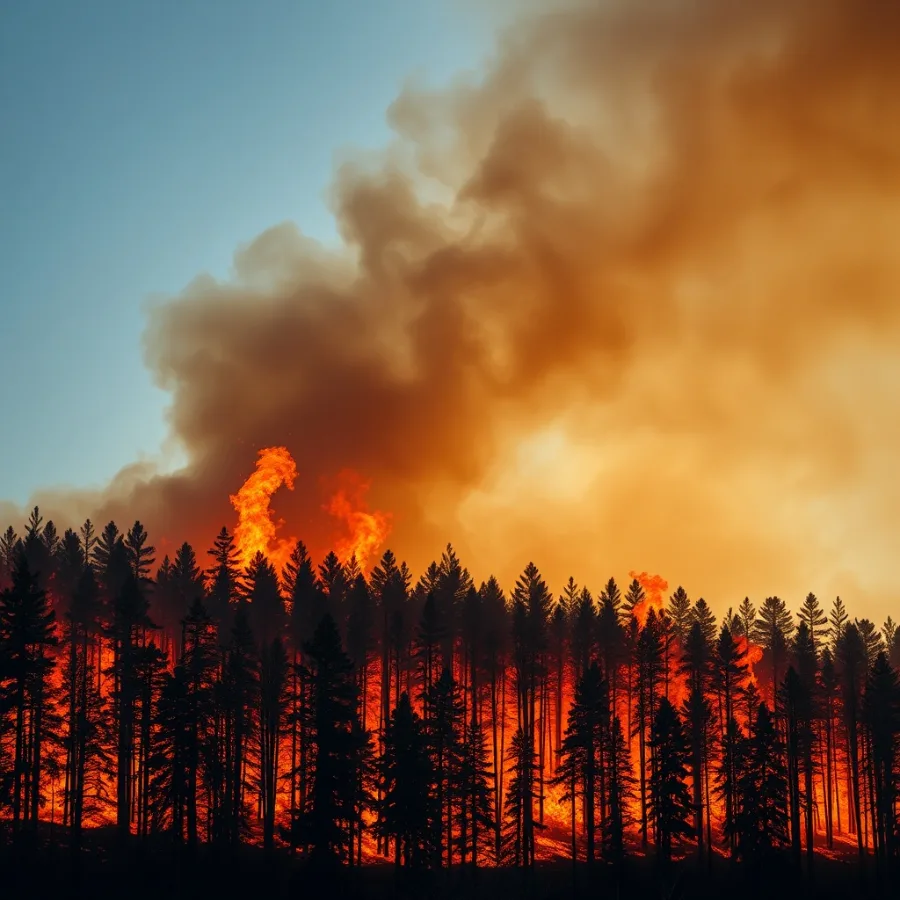
Carbon emissions from wildfires have grown into a genuinely significant piece of the global carbon picture — major fire years now release carbon on the scale of a mid-sized industrialized country’s annual fossil fuel emissions, and the relationship runs in both directions: warming driven by fossil fuel emissions creates hotter, drier conditions that fuel bigger fires, and those bigger fires then release more stored carbon back into the atmosphere.
- Wildfire emissions vary enormously year to year — a single severe fire season can dwarf a decade of “normal” years combined.
- Boreal forest fires (Canada, Russia) are becoming an outsized contributor as northern regions warm faster than the global average.
- Wildfire carbon accounting is genuinely complicated: healthy forest regrowth eventually recaptures much of the released carbon, but that process takes decades, and repeated fires can prevent full recovery.
- Wildfires are a feedback loop, not just a symptom — they release stored carbon and reduce forests’ future carbon-absorbing capacity, compounding the warming that helped cause them.
Carbon Emissions From Wildfires: How Big Is the Problem
| Factor | What’s happening |
|---|---|
| Year-to-year variability | Severe fire seasons can release multiples of an average year’s total |
| Boreal forest fires | Growing contributor as northern latitudes warm fastest |
| Peatland fires | Release disproportionately large carbon stores when burned |
| Regrowth recapture | Partial, and takes decades — not a fast offset |
Why this is a feedback loop, not just an emissions source
Wildfire carbon emissions matter differently than most other emissions sources because of the feedback dynamic involved: warming from fossil fuel emissions creates hotter, drier conditions that increase fire risk and severity, larger fires then release more stored carbon back into the atmosphere, and burned forests temporarily lose their capacity to absorb future carbon — all of which can further amplify warming. This self-reinforcing pattern is why climate scientists track wildfire emissions as a distinct category, not simply folded into “land use” emissions.
Why boreal forests are an emerging concern
Boreal forests across Canada and Russia hold enormous amounts of carbon in both trees and underlying peat soils, and these northern regions are warming considerably faster than the global average — a pattern known as Arctic amplification. Severe boreal fire seasons in recent years have released carbon at a scale that rivals or exceeds emissions from entire industrialized economies in a single season, making this a fast-growing piece of the global wildfire-carbon picture.
The regrowth question, honestly assessed
A commonly raised counterpoint is that burned forests eventually regrow and recapture much of the released carbon — which is true, but incomplete. Regrowth takes decades to fully recapture what a severe fire released, and increasingly frequent fire return intervals (fires recurring before a forest has fully recovered) can prevent that recapture from ever completing, effectively converting what should be a temporary carbon release into a more permanent one.
Sources and Further Reading
Forest loss is a related carbon story \u2014 see how deforestation and carbon emissions connect.
How much CO2 do wildfires actually release?
It varies enormously by year — a single severe global fire season can release carbon on the scale of a mid-sized industrialized country’s annual fossil fuel emissions, while quieter years release far less.
Why are boreal forest fires becoming a bigger concern?
Boreal forests in Canada and Russia hold enormous carbon stores in trees and peat soil, and these northern regions are warming faster than the global average, driving increasingly severe fire seasons that release outsized amounts of carbon.
Do forests recapture the carbon released by wildfires?
Partially, over decades — but increasingly frequent fires can burn a forest again before it fully recovers, effectively preventing full carbon recapture and converting what should be a temporary release into something closer to permanent.
Is wildfire carbon a feedback loop?
Yes — warming from fossil fuel emissions creates conditions that fuel bigger fires, those fires release more stored carbon and reduce forests’ future carbon-absorbing capacity, which can further amplify warming.
Why do peatland fires matter so much for emissions?
Peatlands store disproportionately large amounts of carbon in dense organic soil built up over centuries, so when they burn, they release far more carbon per acre than a typical forest fire.
Are wildfire emissions counted the same as fossil fuel emissions?
They’re tracked separately in most accounting frameworks because of their variability and the partial, decades-long regrowth recapture process, but their climate impact is real and increasingly significant in severe fire years.
Related Posts
Leave a Comment
Your comment will be published after it has been approved. Please send comments that do not contain slang words.