
SUV Emissions Explained: Why Size Matters
Updated September 11, 2026 · 2 min read
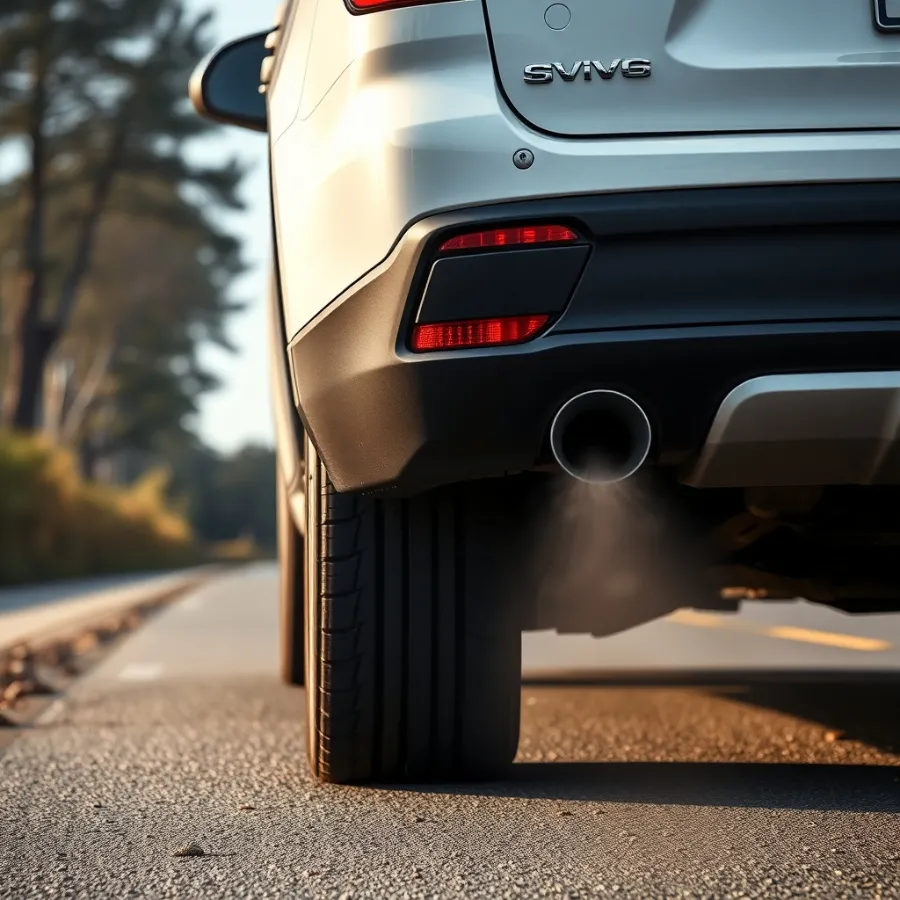
SUV emissions run meaningfully higher than smaller vehicles for a simple reason: weight and aerodynamic drag both scale up with vehicle size, and SUVs have grown enough as a share of new vehicle sales that the IEA has identified the shift toward larger vehicles as one of the biggest factors offsetting efficiency gains elsewhere in the global vehicle fleet — a genuinely underappreciated climate factor next to the more headline-grabbing EV transition.
- A gas SUV typically emits 20-40% more CO2 per mile than a comparable sedan, primarily due to added weight and drag.
- The global shift toward SUVs has been large enough that the IEA tracks it as a distinct factor working against fleet-wide emissions reductions.
- Electric SUVs largely close this gap versus electric sedans, though EV SUVs still use meaningfully more energy per mile than smaller EVs.
- SUV emissions matter at a fleet level even for buyers who don’t personally drive one, since aggregate vehicle mix affects total transportation emissions.
Why SUVs emit more than sedans
| Factor | Effect on SUV emissions |
|---|---|
| Vehicle weight | Heavier vehicles require more energy to accelerate and maintain speed |
| Frontal area/aerodynamics | Larger, boxier shapes create more drag at highway speed |
| Engine size (gas models) | Often larger engines to handle the added weight |
| All-wheel-drive prevalence | More common in SUVs, adds weight and drivetrain losses |
Why this is a bigger deal than most people realize
The International Energy Agency has specifically flagged the global shift toward SUVs as a factor working against overall transportation emissions progress — even as engines and hybrid/electric technology have gotten more efficient, the growing share of larger, heavier vehicles in the fleet has offset a meaningful portion of those gains. This makes vehicle size and weight a genuine, if less discussed, climate factor sitting alongside the more visible fuel-type and technology conversation.
Do electric SUVs solve the problem?
Electric SUVs substantially narrow the emissions gap with sedans compared to their gas counterparts, since electric motors are far more efficient across the board than gas engines regardless of vehicle size. But the underlying physics doesn’t disappear entirely: an electric SUV still needs meaningfully more energy per mile than a comparably electric sedan due to its added weight and drag, meaning vehicle size remains a real, if smaller, factor even within the EV transition.
Why fleet-wide vehicle mix matters beyond individual choices
SUV emissions aren’t just a personal-choice question — aggregate vehicle mix across an entire market affects total transportation emissions regardless of any individual buyer’s preferences, which is why policy discussions increasingly consider vehicle size and weight standards alongside fuel-type transitions. A market shifting toward larger vehicles, even electric ones, faces a real headwind that a market favoring smaller, lighter vehicles doesn’t.
Sources and Further Reading
How much higher are SUV emissions than sedans?
A gas SUV typically emits 20-40% more CO2 per mile than a comparable sedan, primarily driven by added weight and aerodynamic drag from the larger body style.
Why has the shift toward SUVs been identified as a climate concern?
The IEA has specifically flagged the global shift toward SUVs as offsetting a meaningful share of overall vehicle efficiency and technology gains, making vehicle size a genuine drag on fleet-wide emissions progress.
Do electric SUVs have the same emissions problem as gas SUVs?
The gap narrows substantially with electric SUVs, since electric motors are more efficient across the board, but an electric SUV still uses meaningfully more energy per mile than a comparable electric sedan due to added weight and drag.
Does all-wheel-drive make SUV emissions worse?
Generally yes — all-wheel-drive is more common in SUVs and adds both weight and drivetrain energy losses compared to a two-wheel-drive configuration, contributing to the emissions gap versus smaller sedans.
Why does vehicle size matter even in the EV transition?
Because the underlying physics of weight and aerodynamic drag apply to electric vehicles too, so a market shift toward larger electric vehicles still uses more energy overall than the same shift would if buyers chose smaller EVs.
Is buying a smaller car a meaningful climate choice?
At an individual level it reduces one vehicle’s footprint modestly; at a fleet level, aggregate vehicle-size trends genuinely affect total transportation emissions, which is why policymakers increasingly discuss vehicle weight standards alongside fuel-type policy.
Every figure on this page is dated and linked to its source. How we verify · Editorial policy · Report a correction
Related Posts
1 Comment
I was skeptical about SUV emissions, but this article cleared up my doubts. It's an eye-opener!
Leave a Comment
Your comment will be published after it has been approved. Please send comments that do not contain slang words.