
Rail vs Road Emissions
Updated September 18, 2026 · 2 min read
Table of Contents
- Rail Emissions
- Road Emissions
- Comparison of Rail and Road Emissions
- Measurement Methods
- Regional Impacts
- Future Trends
- Frequently Asked Questions
Rail Emissions
Rail transport is known for its energy efficiency and lower emissions compared to road transport, particularly for long-distance passenger and freight journeys. Electric trains powered by renewable energy sources have minimal direct emissions, making them a cleaner alternative to diesel-powered vehicles.
Road Emissions
Road transport, on the other hand, encompasses a wide range of vehicles, from cars to trucks, buses, and motorcycles. The emissions from road vehicles, especially those powered by fossil fuels, contribute significantly to air pollution and carbon dioxide levels in the atmosphere.
Comparison of Rail and Road Emissions
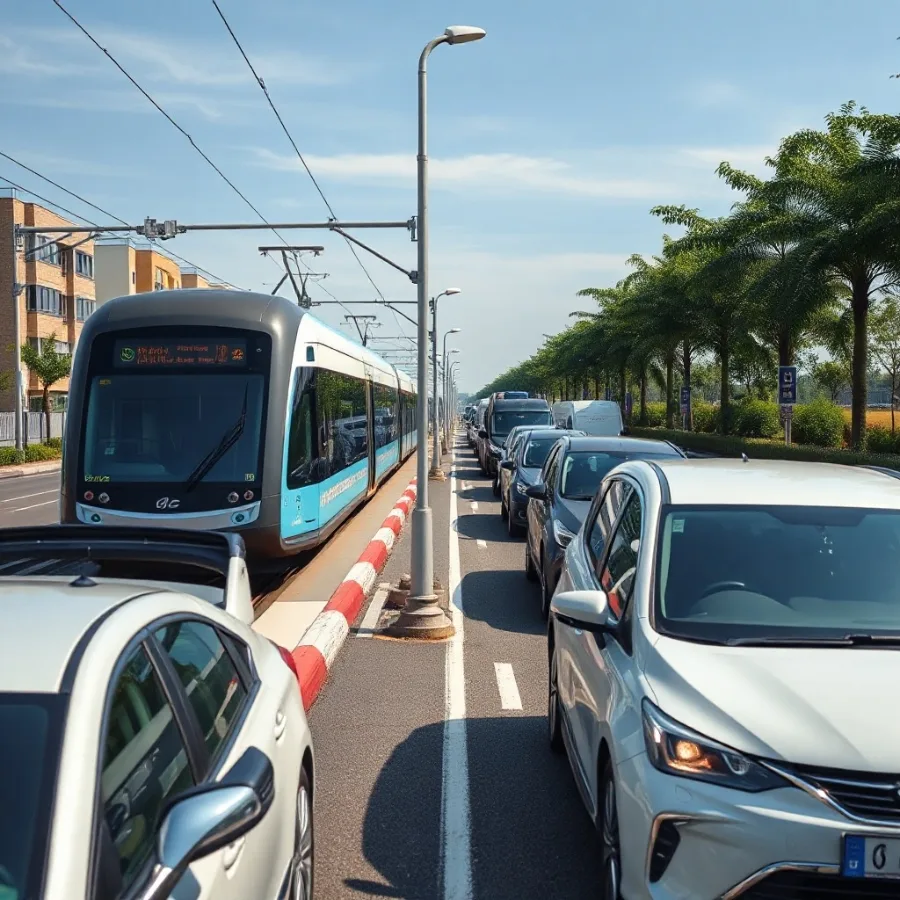
The comparison between rail and road emissions involves various factors such as fuel efficiency, occupancy rates, infrastructure, and operational practices. While rail transport generally emits fewer greenhouse gases per passenger or ton of freight transported, road transport offers flexibility and accessibility that are sometimes unmatched by rail services.
Measurement Methods
Evaluating emissions from rail and road transport involves sophisticated measurement methods that consider factors like energy consumption, distance traveled, vehicle type, and fuel efficiency. Understanding the methodologies used to calculate emissions is essential for accurate assessments of environmental impact.
Regional Impacts
- US: The United States faces challenges in reducing road emissions due to its vast road network and dependence on personal vehicles.
- EU: The European Union has been proactive in promoting sustainable transportation modes, including rail travel, to mitigate emissions.
- China: China’s rapid urbanization has led to increased road emissions, prompting investments in public transport infrastructure and electric vehicles.
- India: India faces significant challenges in balancing economic growth with environmental sustainability, particularly in the transport sector.
Future Trends
The future of rail and road emissions hinges on technological advancements, policy decisions, and societal choices. Innovations in electric vehicles, sustainable fuels, smart traffic systems, and urban mobility trends will play a crucial role in shaping the environmental impact of transportation in the years to come.
- Smart Traffic Systems
- Urban Mobility Trends
Related guides: Road Transport Emissions, High-Speed Rail Emissions and The Physics of Flight vs Road: Why Tesla Cars Are Easier Than Jets.
Frequently Asked Questions
How do rail emissions compare to road emissions?
Rail emissions are generally lower than road emissions per passenger or ton of freight transported, primarily due to the energy efficiency of trains and electrification initiatives.
Are there regional differences in rail and road emissions?
Yes, different regions face unique challenges in reducing transportation emissions based on infrastructure, population density, regulatory frameworks, and cultural preferences.
What role do government policies play in reducing transport emissions?
Government policies play a crucial role in incentivizing sustainable transport options, promoting public transportation, investing in infrastructure, and setting emission reduction targets.
How can individuals contribute to lowering rail and road emissions?
Individuals can contribute by choosing eco-friendly modes of transportation, carpooling, using public transport, cycling, walking, and advocating for sustainable transport policies at the local and national levels.
TAGS: rail emissions, road emissions, transportation sustainability, greenhouse gas emissions, sustainable mobility
Sources and Further Reading
Every figure on this page is dated and linked to its source. How we verify · Editorial policy · Report a correction
Related Posts

Leave a Comment
Your comment will be published after it has been approved. Please send comments that do not contain slang words.