
EV Charging Time Explained
Updated September 2, 2026 · 3 min read
Table of Contents
- EV Charging Technology
- Factors Affecting Charging Time
- Charging Speed Across Regions
- EV Charging FAQ
EV Charging Technology
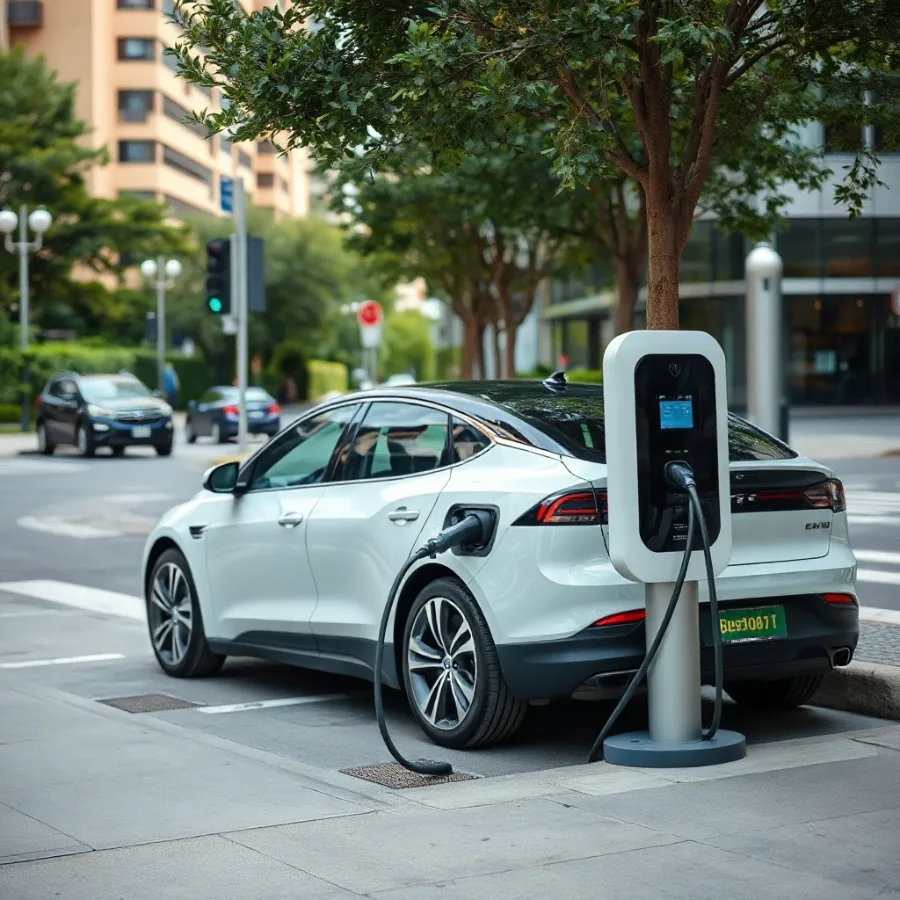
EV charging technology has evolved significantly over the years, offering different levels of charging speeds to cater to varying needs. The most common types of EV chargers include Level 1, Level 2, and DC fast chargers. Each type has its own charging capabilities and compatibility with different EV models.
- Level 1 Charger: This charger uses a standard 120-volt household outlet and is the slowest method of charging an EV.
- Level 2 Charger: Operating on a 240-volt circuit, Level 2 chargers provide faster charging speeds and are commonly found in residential and public charging stations.
- DC Fast Charger: Also known as Level 3 chargers, DC fast chargers can recharge an EV significantly faster than Level 2 chargers, making them ideal for long-distance travel.
For more information on the environmental impact of diesel vs. electric emissions, visit zerocarbondrive.com.
Factors Affecting Charging Time
Several factors can influence the charging time of an electric vehicle, including the battery capacity, the charging infrastructure, the power output of the charger, and the state of charge of the battery. A larger battery size typically results in longer charging times, as more energy needs to be replenished.
Smart traffic systems play a crucial role in optimizing traffic flow and reducing emissions. Learn more at zerocarbondrive.com.
| Factors | Impact on Charging Time | Example |
|---|---|---|
| Battery Size | Longer charging time for larger batteries | Tesla Model S (100 kWh) vs. Nissan Leaf (40 kWh) |
| Charger Power Output | Faster charging with higher power chargers | 50 kW vs. 150 kW charger |
Charging Speed Across Regions
EV charging infrastructure and adoption rates vary across different regions, leading to disparities in charging speeds and accessibility. While the United States has made significant investments in expanding its charging network, European countries are also ramping up efforts to support EV growth.
- US: The US has a growing network of public charging stations, with a focus on fast charging along major highways.
- EU: European countries are prioritizing the installation of charging stations in urban areas and along key travel routes.
- China: China leads the world in EV adoption and has a vast network of charging infrastructure, including high-speed chargers.
- India: India is gradually increasing its EV charging infrastructure to support the growing demand for electric vehicles.
EV Charging FAQ
How long does it take to charge an electric vehicle?
The charging time for an electric vehicle can range from a few hours with a Level 2 charger to under an hour with a DC fast charger, depending on the battery size and state of charge.
Can I charge an electric vehicle at home?
Yes, most electric vehicles come with a charging cable that can be plugged into a standard household outlet for Level 1 charging. Installing a Level 2 charger at home can provide faster charging speeds.
What is the impact of car CO2 emissions on the environment?
Car CO2 emissions contribute to climate change and air pollution, prompting the shift towards electric vehicles with lower carbon footprints. Learn more about sustainable urban mobility trends at zerocarbondrive.com.
How do I calculate the charging cost for an electric vehicle?
The charging cost for an electric vehicle can be calculated based on the electricity rate in your area, the charging efficiency of the vehicle, and the battery capacity. Online calculators provided by energy agencies can help estimate the cost.
TAGS: electric vehicles, charging time, EV infrastructure, fast charging, sustainable mobility
Related guides: ev charging time chart, EV Charging Time and Megawatt Charging For Trucks.
Sources and Further Reading
Related Posts
Leave a Comment
Your comment will be published after it has been approved. Please send comments that do not contain slang words.